
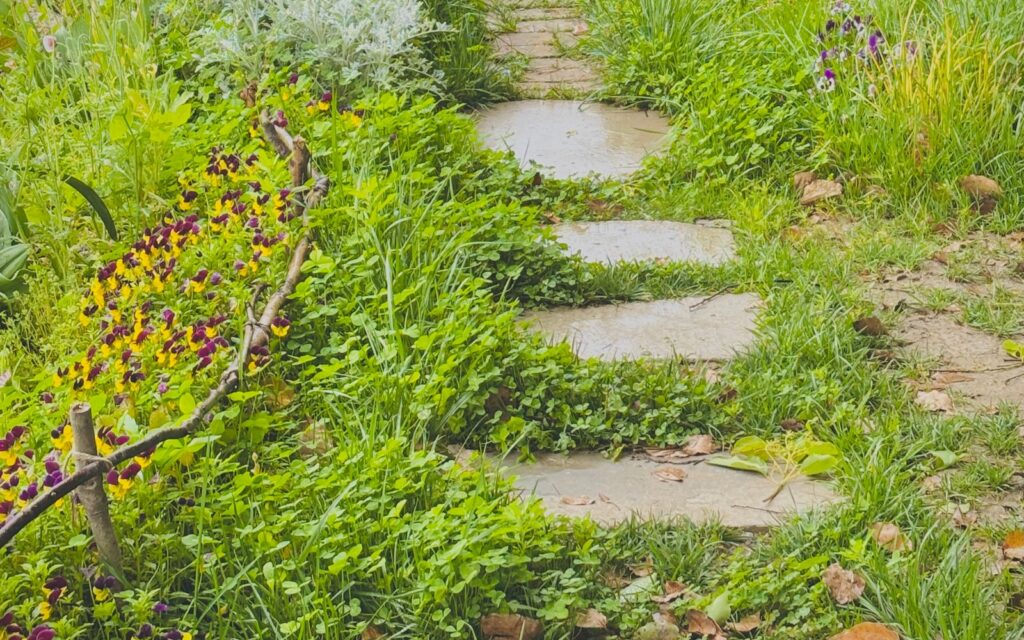
A garden path does far more than get you from A to B. It guides the eye, connects different areas, keeps your feet dry and gives the garden structure and charm. Yet paths can be surprisingly expensive if you choose new natural stone or have them professionally laid. The good news is that there are plenty of attractive, practical options that will not break the bank.
Here are 10 budget-friendly garden path ideas for every garden, from cottage plots to modern courtyards.
1. Gravel Paths
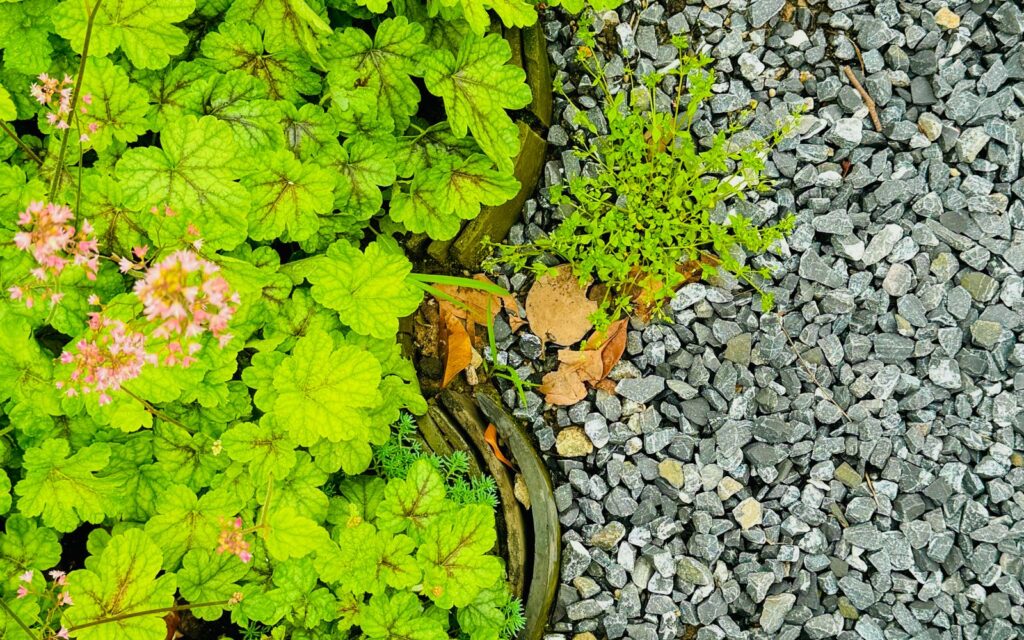
Gravel is one of the most affordable and versatile path materials. It is quick to lay, drains freely and suits almost any style of garden. The satisfying crunch underfoot is also a useful security feature.
To lay a gravel path, dig out the route to around 10cm deep, lay a weed membrane, add a compacted base of crushed hardcore if needed and top with 5cm of gravel. Use timber, steel or brick edging to keep the gravel in place. Choose angular gravel around 10 to 20mm in size, as it locks together better than round pea shingle and is easier to walk on.
2. Bark Chip Paths
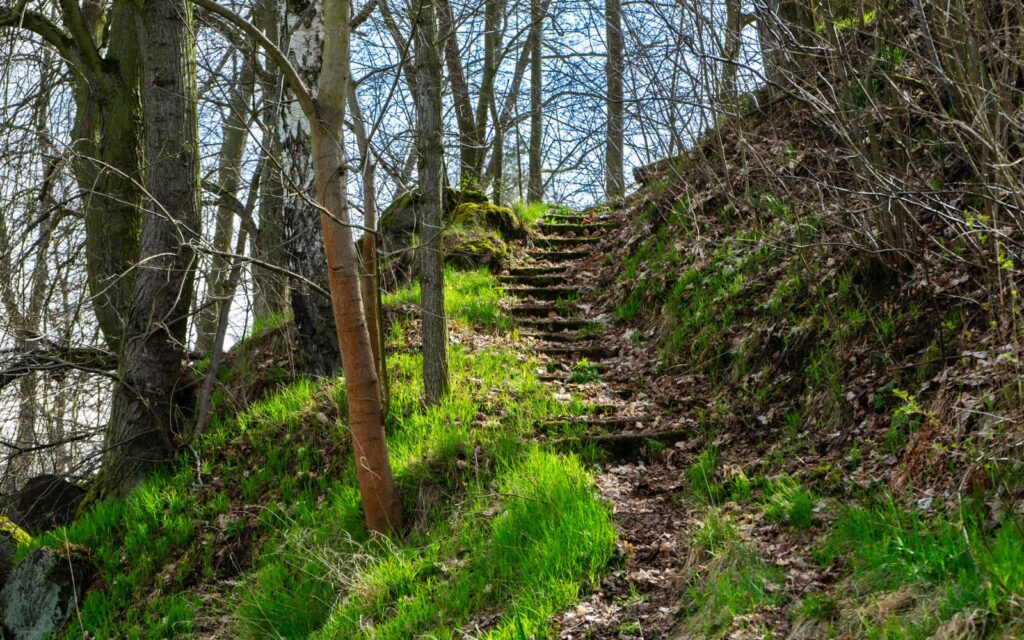
Bark chippings create a soft, natural path that is perfect for woodland gardens, vegetable plots and informal areas. They are inexpensive, and local tree surgeons will often give away wood chips for free. Lay them over a weed membrane at a depth of around 5 to 7cm, and top up every year or two as they break down.
3. Stepping Stones in Grass or Gravel
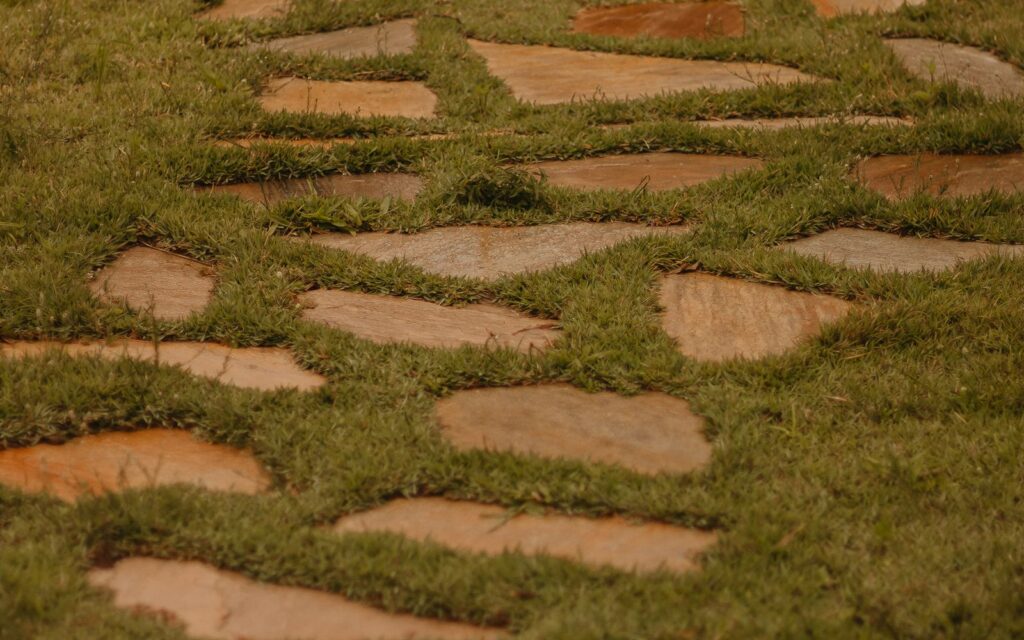
Stepping stones are an economical way to create a path, as you only need a fraction of the paving required for a solid path. Set them into a lawn so the mower can pass straight over, or bed them into gravel for a more defined look. Use reclaimed paving slabs, sawn sandstone, concrete pavers or even large flat stones. Space them to match a natural walking stride, roughly 60cm from centre to centre.
4. Reclaimed Brick Paths
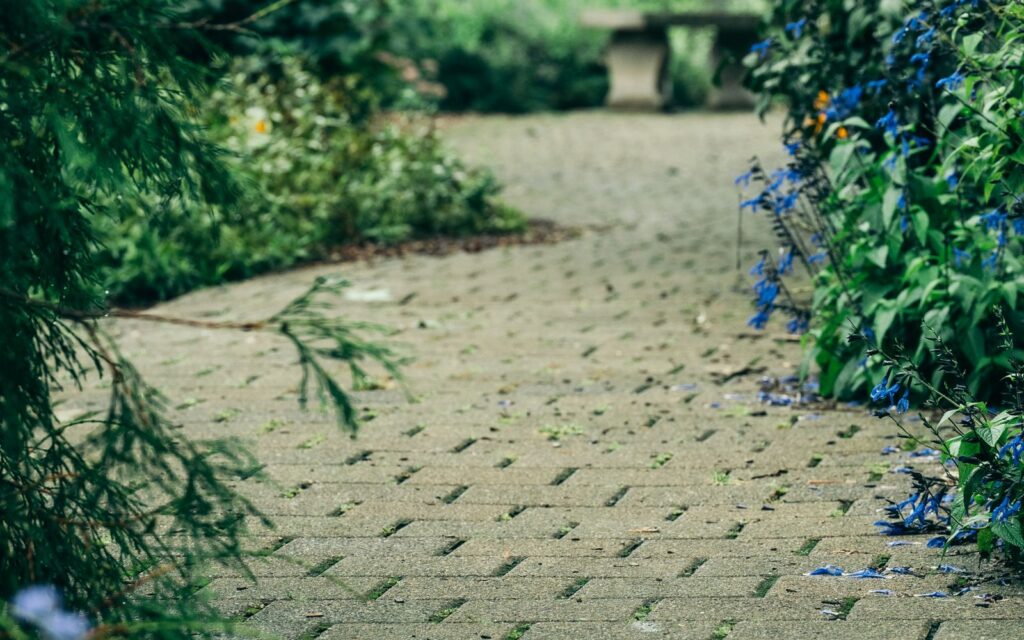
Reclaimed bricks bring warmth and character, and are often available cheaply from reclamation yards, online marketplaces or building projects. Lay them in a herringbone, basketweave or running bond pattern for a traditional look. Make sure you use frost-resistant bricks, as some soft bricks can crumble in British winters.
5. Timber Sleeper Paths
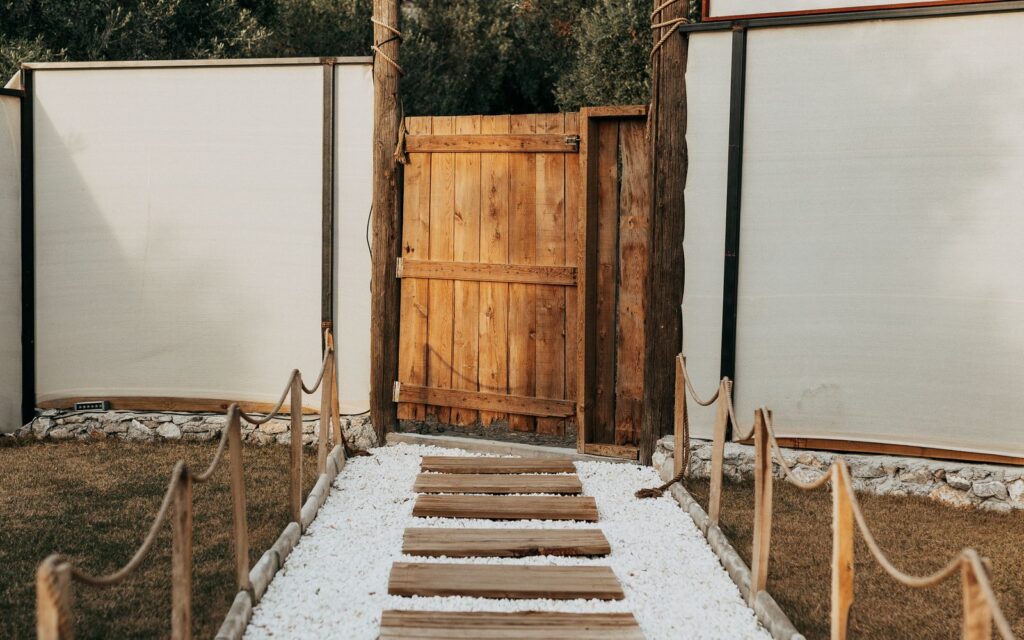
Timber sleepers laid across the path, either touching or with gaps filled with gravel or ground cover plants, create a rustic, informal route. They work well on gentle slopes and in woodland or wild gardens. Choose untreated or safely treated sleepers, and add chicken wire or anti-slip strips to the surface, as timber can become slippery when wet.
6. Mown Grass Paths
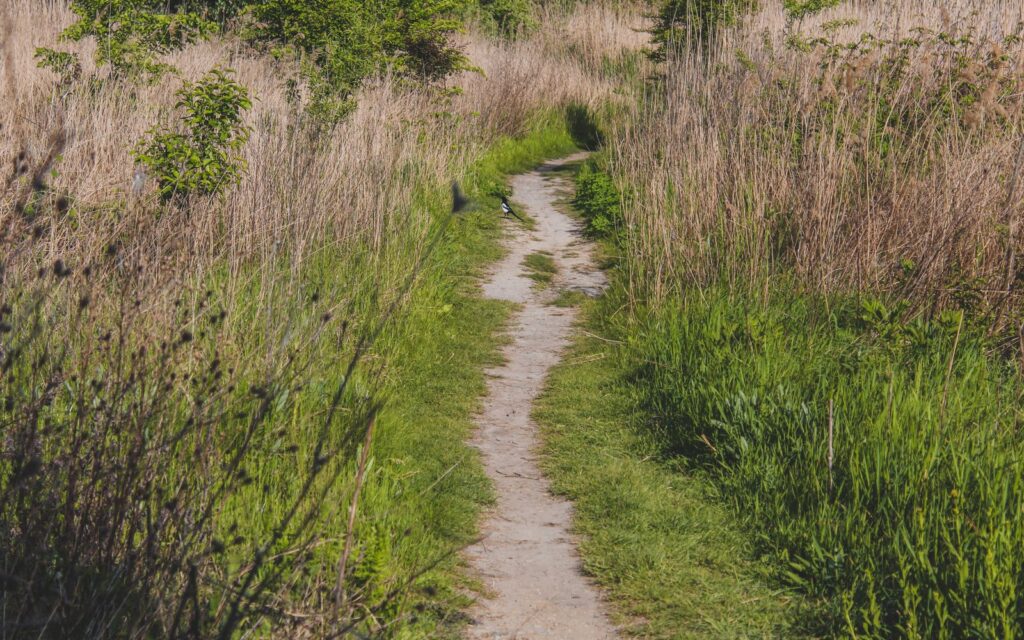
The cheapest path of all is simply a mown strip through longer grass. This works beautifully in larger gardens or meadow areas, where a neatly mown path contrasts with the wild flowers on either side. It costs nothing to create and changes with the seasons.
7. Concrete Pavers and Poured Concrete
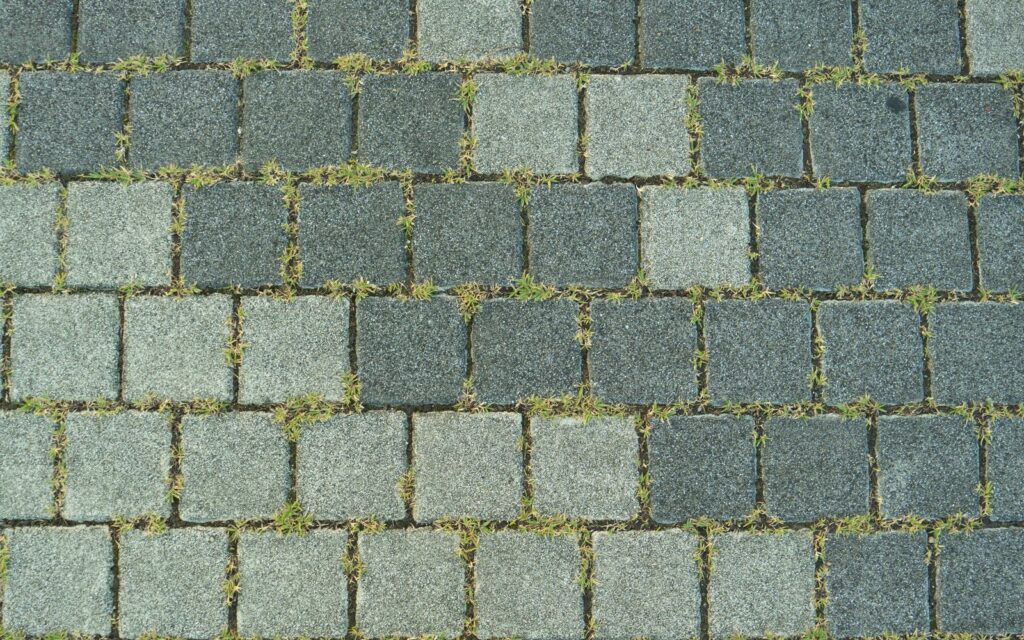
Concrete has come a long way. Modern concrete pavers come in a range of colours, textures and sizes at a lower price than natural stone. For a contemporary look, you can pour a simple concrete path yourself using timber formwork, then brush the surface for grip or press in pebbles for decoration.
8. Mixed Materials and Mosaics
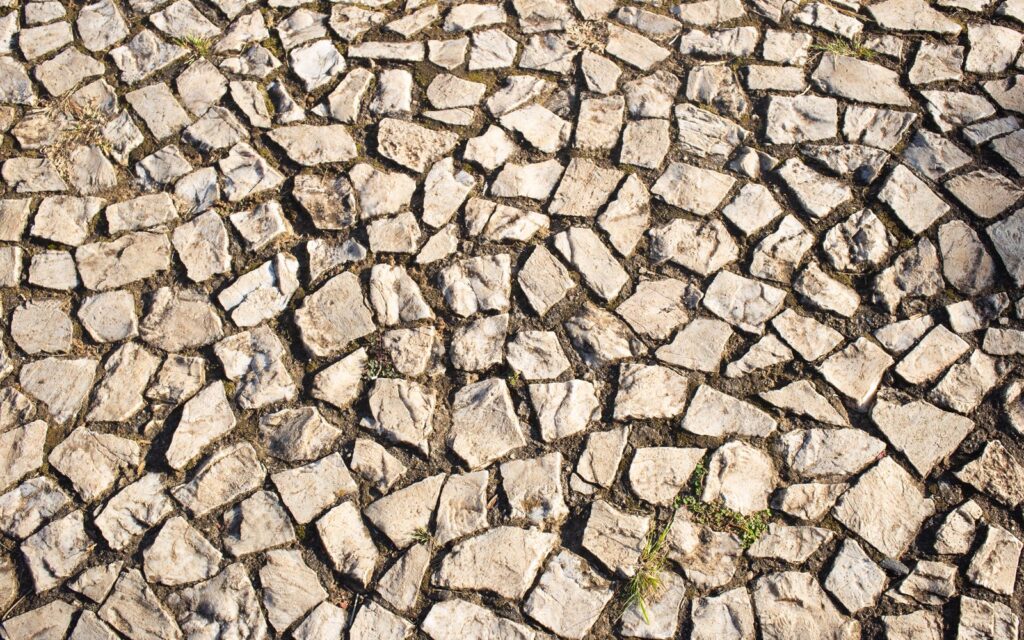
If you have odds and ends of different materials, combine them. Bricks, broken tiles, cobbles, pebbles and slate offcuts can be set into mortar or sand to create a characterful, one-of-a-kind path. Mosaics are a great way to use up leftovers and add a personal, creative touch.
9. Self-Binding Gravel
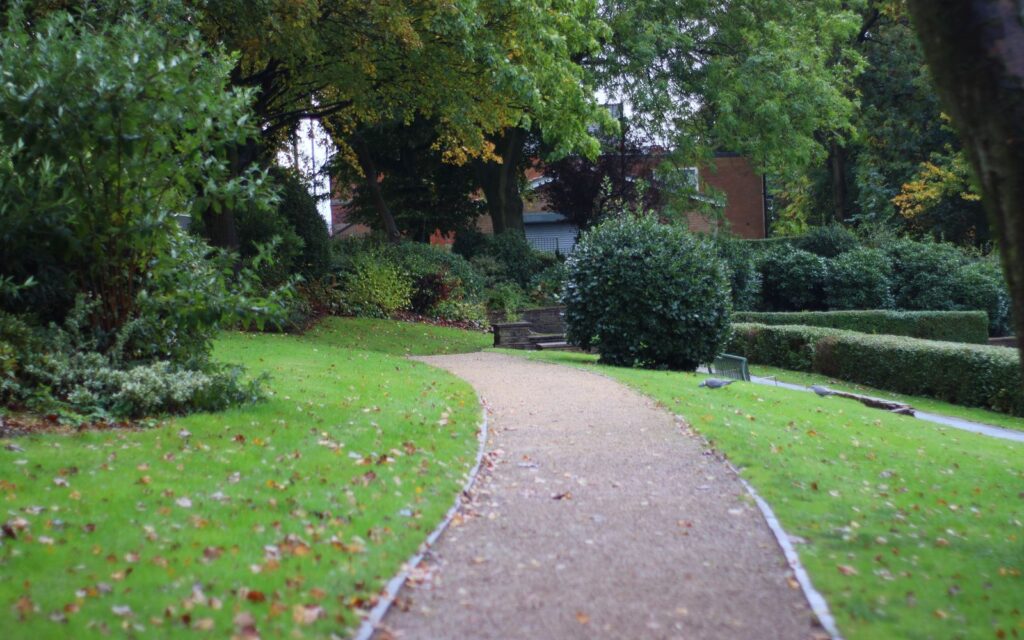
Self-binding gravel, sometimes called hoggin or resin-free binding gravel, compacts into a firm, natural-looking surface that is easier to walk on than loose gravel and better for wheelbarrows and pushchairs. It is affordable, permeable and suits both traditional and contemporary gardens.
10. Planted Paths
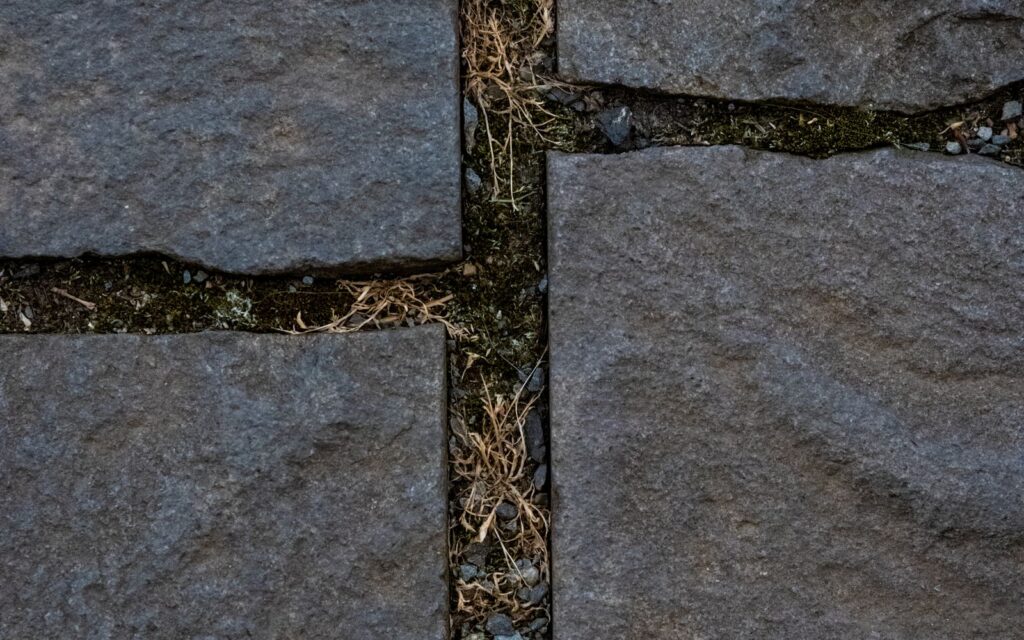
Let plants become part of the path itself. Low-growing, tough plants such as creeping thyme, chamomile, mind-your-own-business, Mentha requienii and Leptinella can be planted in the gaps between stepping stones or pavers. They release a lovely scent when walked on and soften the look of the path.
Tips for Laying a Budget Path
- Plan the route. Follow the natural line people walk. If a path goes the long way round, people will cut corners and wear a track across the lawn.
- Get the width right. A main path should be at least 90cm wide, or 1.2 metres if two people need to walk side by side. Secondary paths can be narrower.
- Prepare the base. A path is only as good as what lies beneath. Remove turf and topsoil, and compact the ground well.
- Use a weed membrane. It saves hours of weeding later.
- Add edging. Edging keeps loose materials in place and gives the path a crisp, finished look.
- Think about drainage. Permeable materials such as gravel and bark let rainwater soak away and reduce puddles.
- Light it. Inexpensive solar stake lights make a path safer and more inviting after dark.
Matching the Path to Your Garden Style

- Cottage gardens: reclaimed brick, gravel or stepping stones with plants spilling over the edges
- Modern gardens: concrete pavers, poured concrete or crisp gravel with steel edging
- Wildlife and woodland gardens: bark chips, mown paths or timber sleepers
- Mediterranean gardens: gravel or self-binding gravel with drought-tolerant planting
- Family gardens: self-binding gravel or pavers for smooth, practical surfaces
Final Thoughts
A beautiful garden path does not have to cost a fortune. By choosing affordable materials such as gravel, bark, reclaimed brick or stepping stones and putting a little effort into preparation, you can create a path that adds structure, charm and practicality to your garden. The right path will lead you outside more often and make every corner of the garden easier to enjoy.