
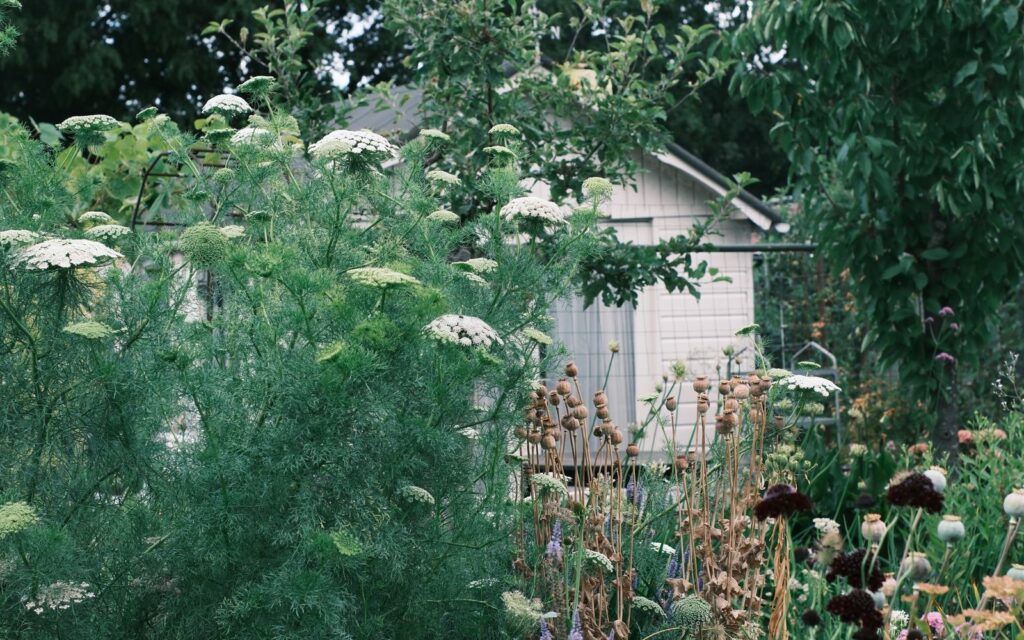
Britain’s gardens cover a huge area of land, and together they form a vital network of habitats for wildlife. As many species face pressure from habitat loss, our back gardens have become important refuges for hedgehogs, birds, bees, butterflies, frogs and countless other creatures. The best part is that a wildlife-friendly garden is not only good for nature. It is also full of life, colour and movement, and often easier to look after.
Here is how to create a wildlife-friendly garden in the UK, whatever the size of your space.
Relax Your Gardening Habits

The simplest way to help wildlife is to garden a little less tidily. Many creatures depend on the very things we tend to clear away.
- Leave seed heads on perennials and grasses over winter as food for birds.
- Delay cutting back hollow stems until spring, as insects shelter inside them.
- Leave fallen leaves under shrubs and hedges, where they provide shelter for beetles and hedgehogs.
- Allow a corner of the garden to grow a little wild.
Plant for Pollinators
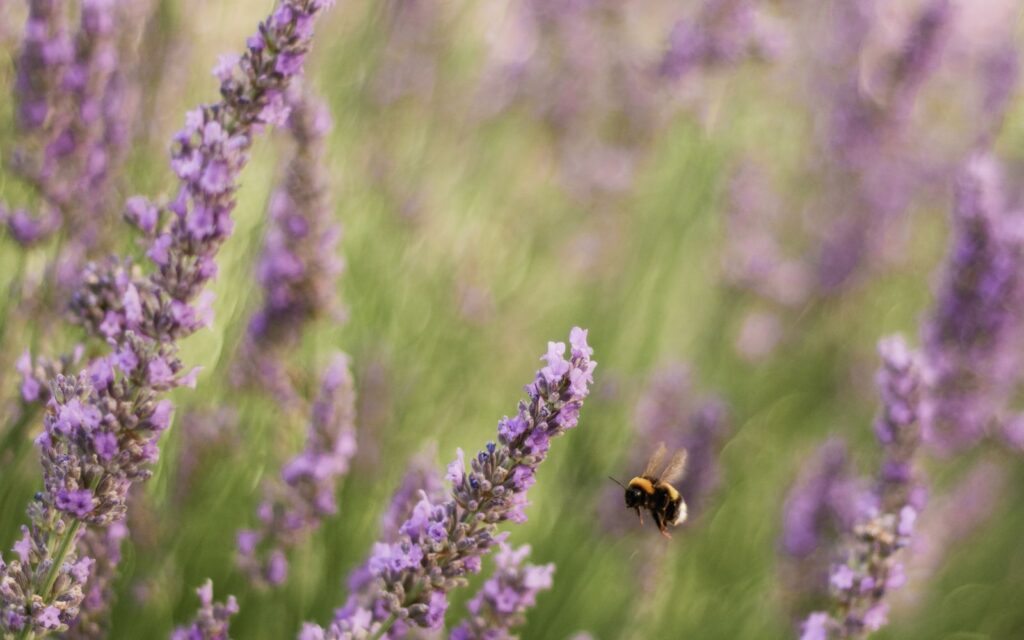
Bees, butterflies, moths and hoverflies need nectar and pollen throughout the year. Aim to have something in flower from early spring to late autumn.
- Early spring: crocus, pulmonaria, hellebores, pussy willow and flowering currant
- Late spring: alliums, aquilegia, wallflowers and hawthorn
- Summer: lavender, foxgloves, catmint, borage, salvias and scabious
- Late summer and autumn: sedum, asters, Verbena bonariensis, echinacea and ivy flowers
- Winter: mahonia, winter-flowering heather and sarcococca
Choose single-flowered varieties rather than double blooms, as their pollen and nectar are easier for insects to reach. Plant in groups so pollinators can find them easily.
Grow Native Plants
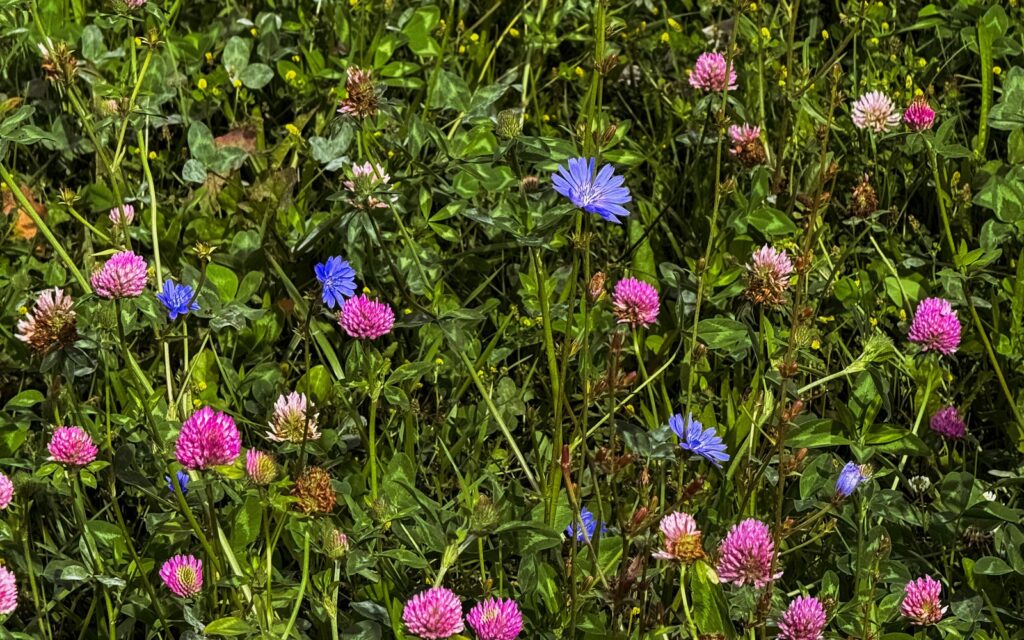
While many non-native plants are valuable for pollinators, native species support a far wider range of insects, particularly caterpillars that feed on specific plants. Include natives such as hawthorn, blackthorn, hazel, dog rose, honeysuckle, oxeye daisy, knapweed and red campion where you can.
Create a Wildlife Pond
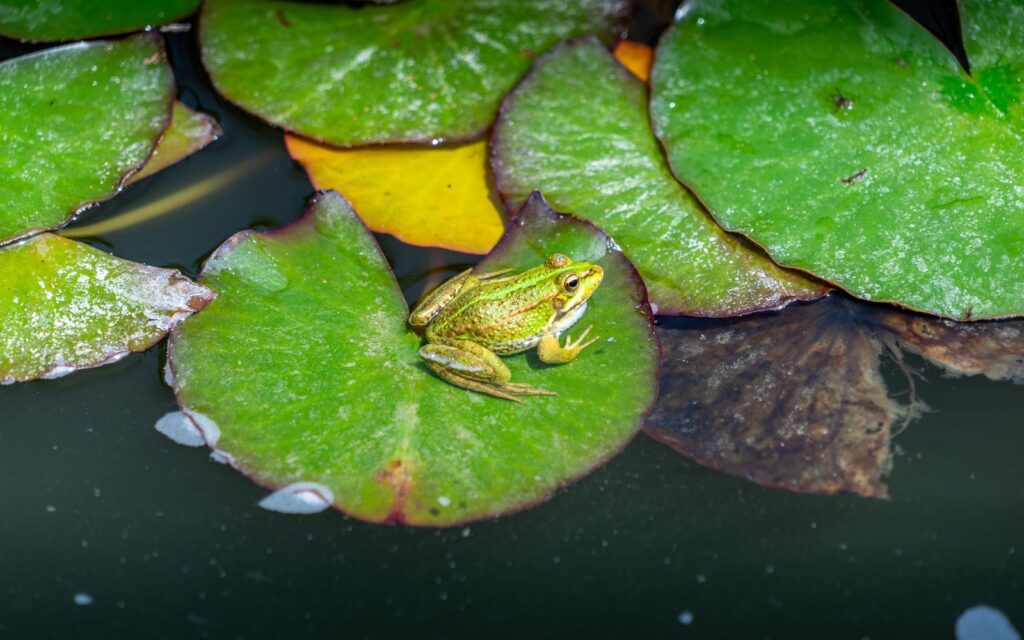
Adding water is the single most effective way to bring wildlife into a garden. Even a small pond can attract frogs, toads, newts, dragonflies and birds that come to drink and bathe.
- Include a gently sloping side or a ramp so creatures can get in and out safely.
- Fill with rainwater rather than tap water where possible.
- Add native oxygenating and marginal plants.
- Do not add fish, as they eat frogspawn and insect larvae.
- Even a sunken washing-up bowl or an old sink can make a mini pond.
Help Hedgehogs
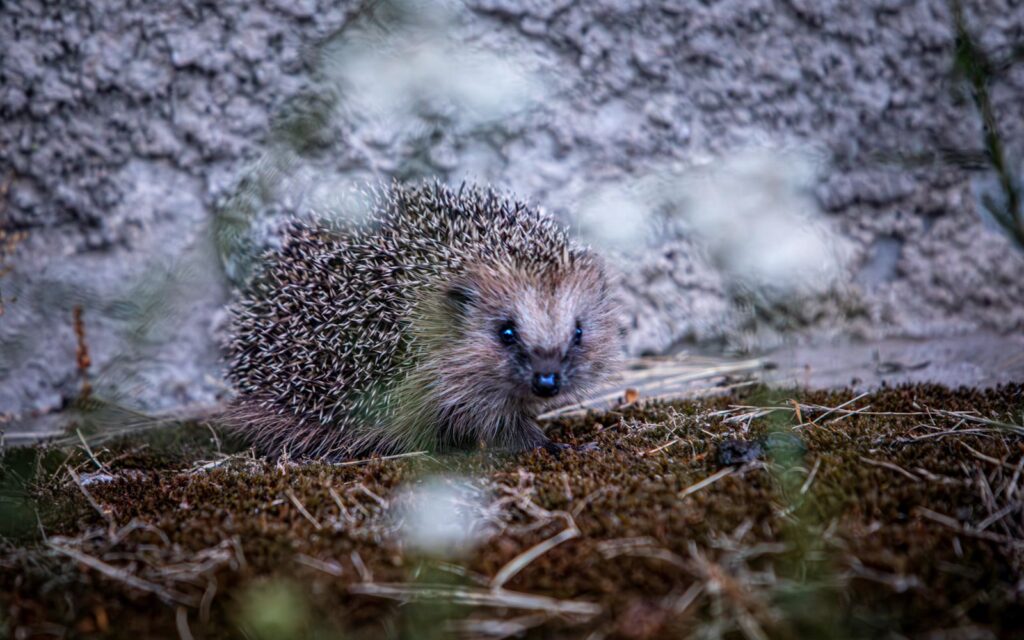
Hedgehog numbers have declined significantly in Britain, but gardens can make a real difference. Hedgehogs travel up to a mile or more each night in search of food and mates, so they need to move freely between gardens.
- Cut a hole about 13cm by 13cm at the base of your fence to create a hedgehog highway, and encourage neighbours to do the same.
- Provide a hedgehog house or leave a pile of logs and leaves in a quiet corner.
- Check long grass and compost heaps before strimming or forking.
- Avoid slug pellets and pesticides.
- Leave out meaty cat or dog food and a shallow dish of water, but never milk or bread.
Feed and House the Birds
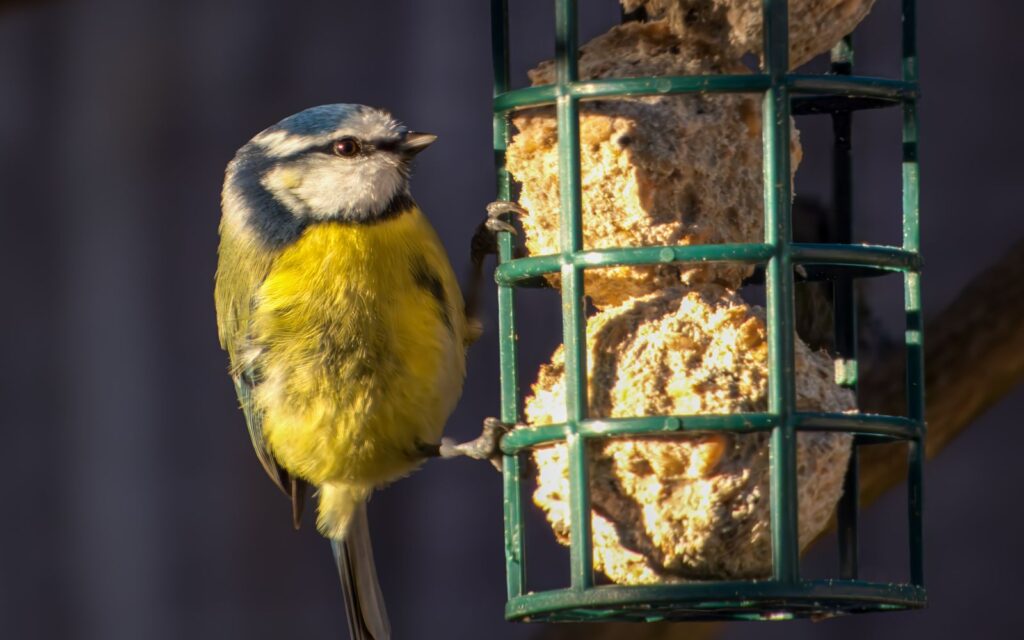
Bird feeders, bird baths and nest boxes bring garden birds close where you can enjoy them.
- Offer a mix of foods such as sunflower hearts, seeds and suet to attract different species.
- Keep feeders clean to prevent the spread of disease.
- Put up nest boxes in autumn or winter, facing between north and east to avoid strong sun.
- Plant berry-bearing shrubs such as holly, pyracantha, rowan and cotoneaster for natural winter food.
- Provide fresh water all year, including in freezing weather.
Plant a Native Hedge
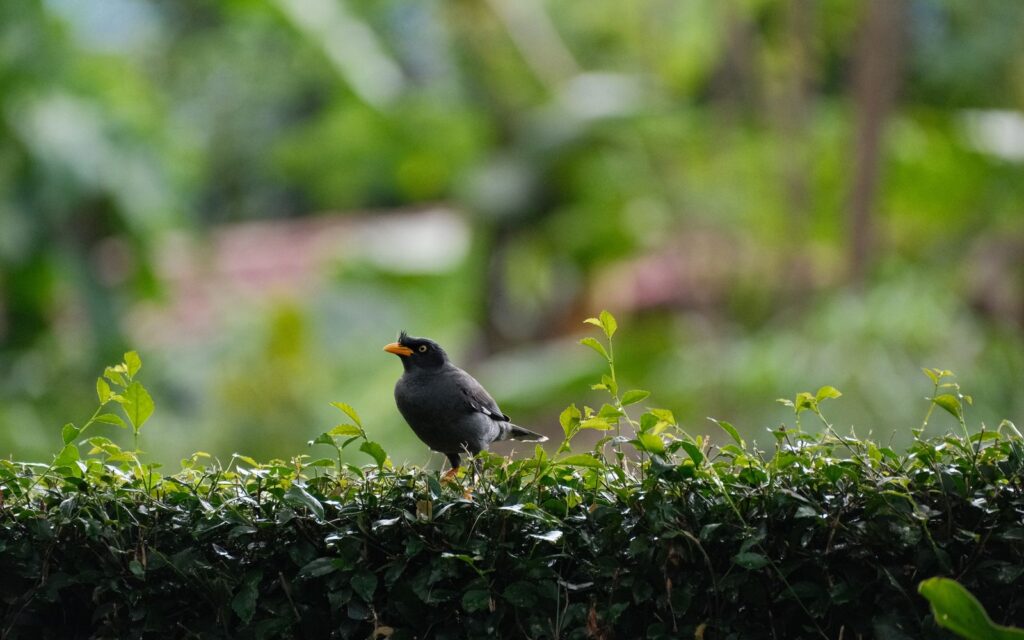
Hedges offer food, shelter and nesting sites far beyond what a fence can provide, and act as wildlife corridors connecting gardens. A mixed native hedge of hawthorn, blackthorn, hazel, field maple, holly and dog rose is ideal. Avoid cutting hedges between March and August, when birds are most likely to be nesting.
Leave Some Long Grass
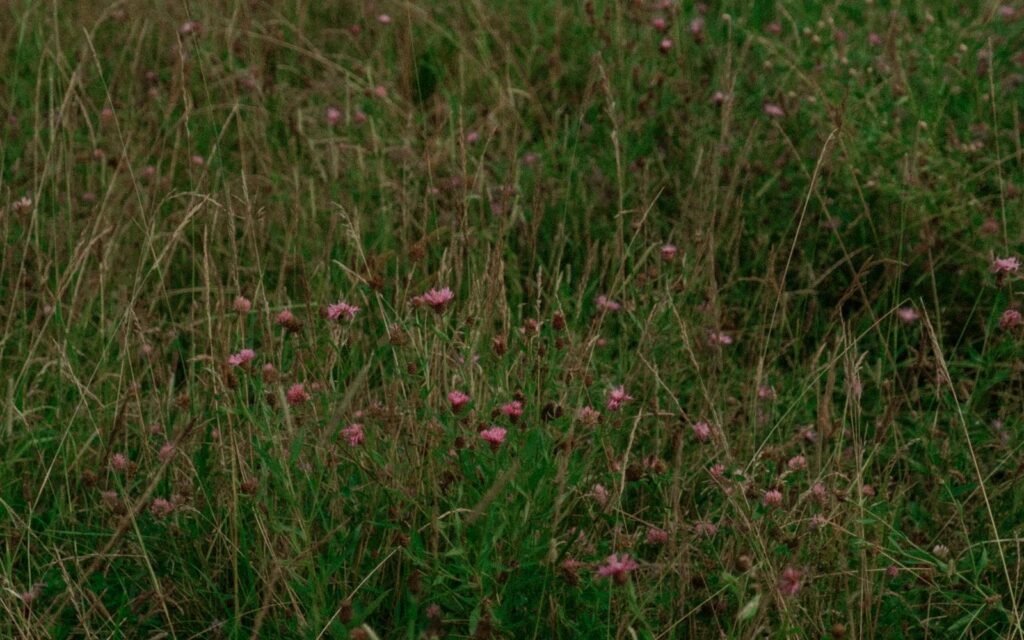
A perfectly mown lawn offers little for wildlife. Let part of your lawn grow long through spring and summer, or take part in No Mow May, and you may be surprised by the wild flowers that appear, such as clover, self-heal and bird’s-foot trefoil. Long grass provides shelter for insects, food for caterpillars and hunting grounds for birds.
Build Shelters for Insects and Amphibians
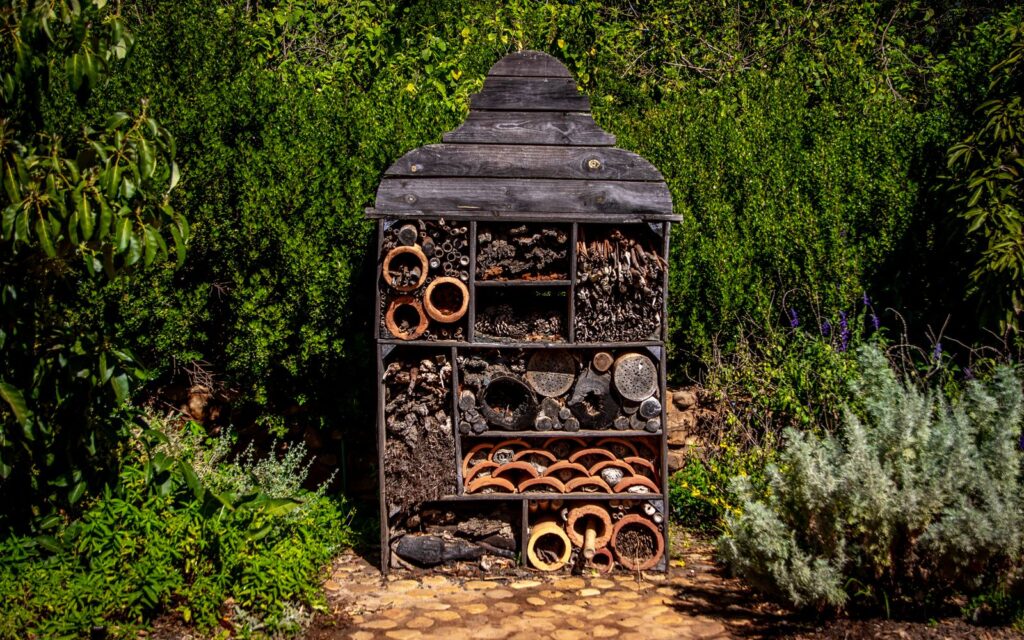
Simple habitat features provide homes for a host of creatures.
- Log piles in a shady corner are home to beetles, fungi, woodlice and toads.
- Bug hotels made from bamboo canes, pine cones and drilled wood attract solitary bees and other insects.
- Rock piles provide basking spots and hiding places.
- Compost heaps are a haven for slow worms, grass snakes and invertebrates.
Avoid Chemicals
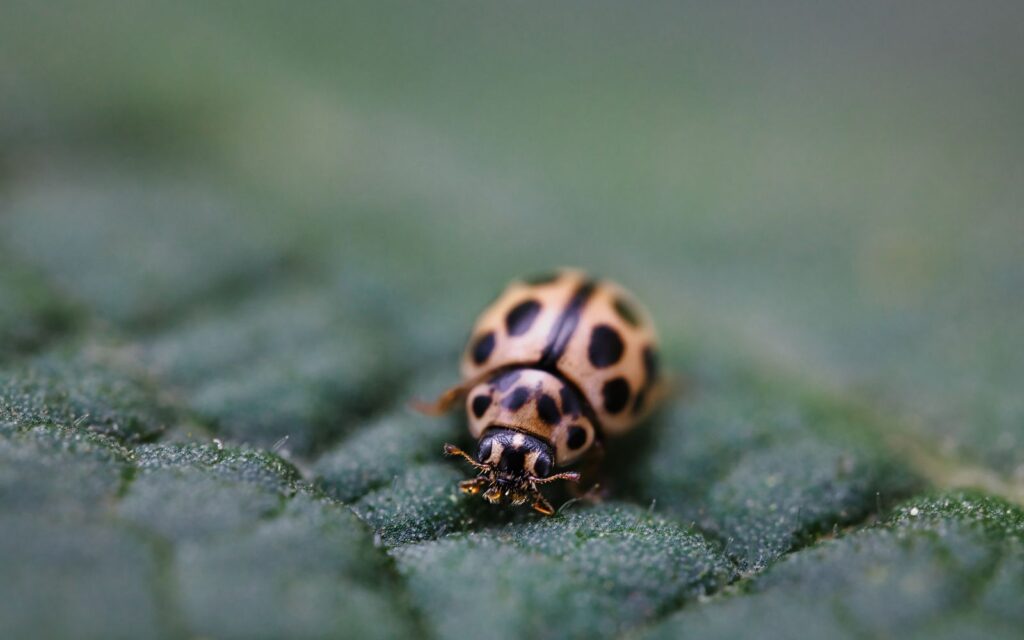
Pesticides, herbicides and slug pellets harm far more than their targets. They can kill pollinators, poison hedgehogs and birds and disrupt the natural balance in the garden. Instead, encourage natural predators such as ladybirds, lacewings, birds and frogs to keep pests in check. Hand-pick slugs and snails, and use physical barriers such as netting where needed.
Go Peat-Free
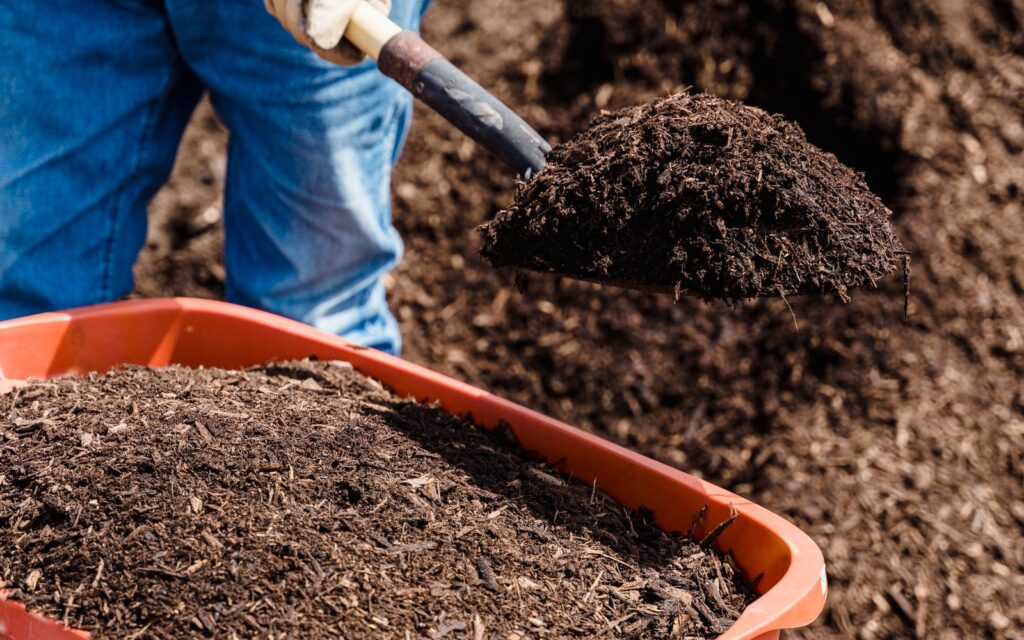
Peat bogs are precious habitats that store carbon and support rare wildlife. Choose peat-free compost for all your potting and planting to help protect them.
Think About Lighting

Bright outdoor lighting can disrupt nocturnal wildlife such as moths, bats and hedgehogs. Keep lighting to a minimum, use warm-coloured bulbs, point lights downwards and switch them off when not needed.
Even Small Spaces Count
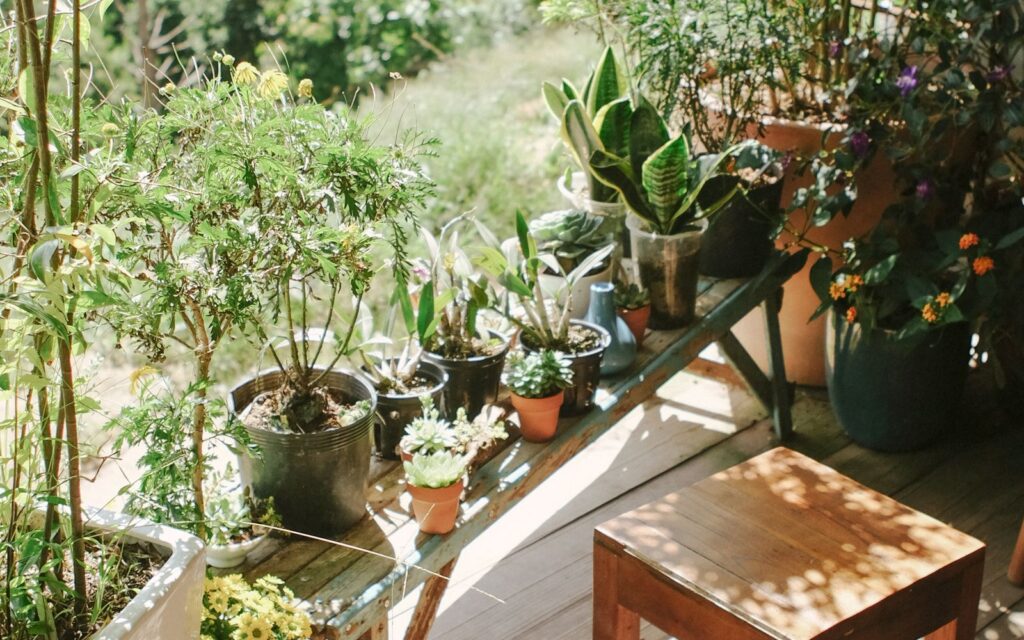
You do not need a large garden to make a difference. A balcony with pots of lavender and herbs, a window box of wild flowers, a small bird feeder or a mini pond in a container all provide vital resources for wildlife in towns and cities.
Final Thoughts
Creating a wildlife-friendly garden in the UK is about working with nature rather than against it. By planting for pollinators, adding water, providing shelter, connecting your garden to others and avoiding chemicals, you can create a space that buzzes with life all year round. Every garden, however small, can become part of a much bigger network that helps British wildlife thrive.