
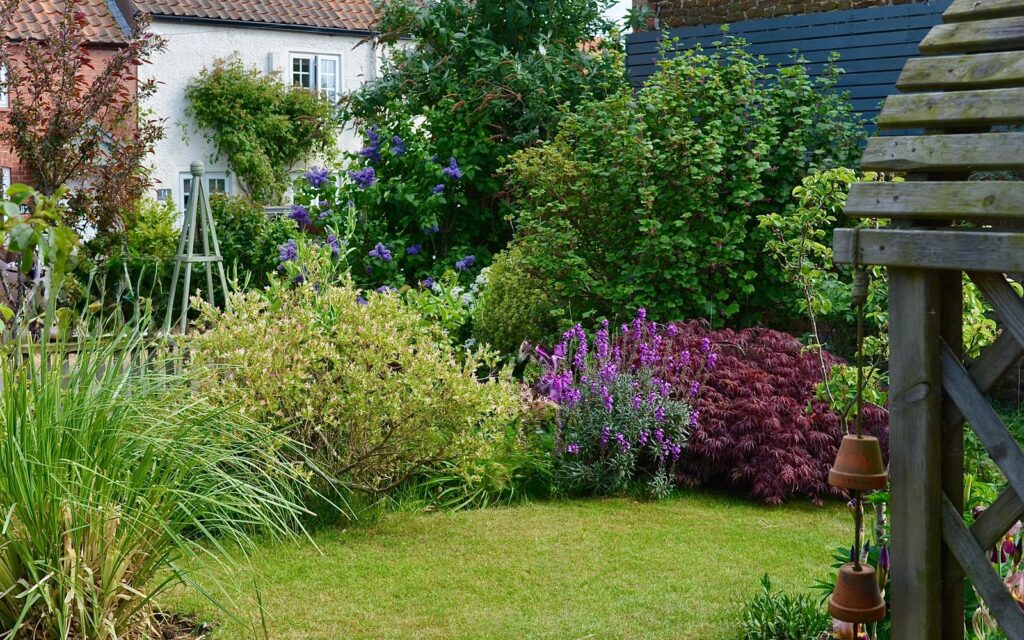
Few garden styles are as loved as the classic cottage garden. Overflowing borders, scented roses around the door, winding paths and a gentle air of happy disorder all capture something quintessentially British. The good news is that you do not need a thatched cottage in the countryside to create one. Cottage garden style works just as well in a suburban plot, a terraced back garden or even a few pots by the front door.
Here are 15 cottage garden ideas to help you create a charming British garden of your own.
1. Plant Densely and Generously
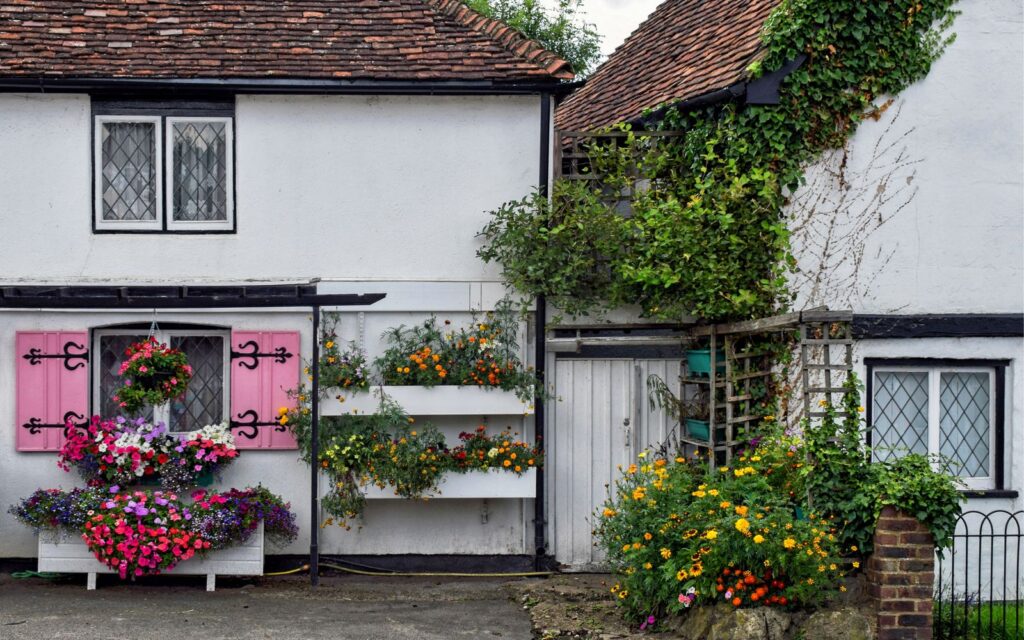
The cottage garden look depends on abundance. Plant closely so that flowers mingle and spill into each other, leaving little bare soil. Dense planting also helps suppress weeds and creates the relaxed, overflowing feel that defines the style.
2. Grow Roses Around the Door
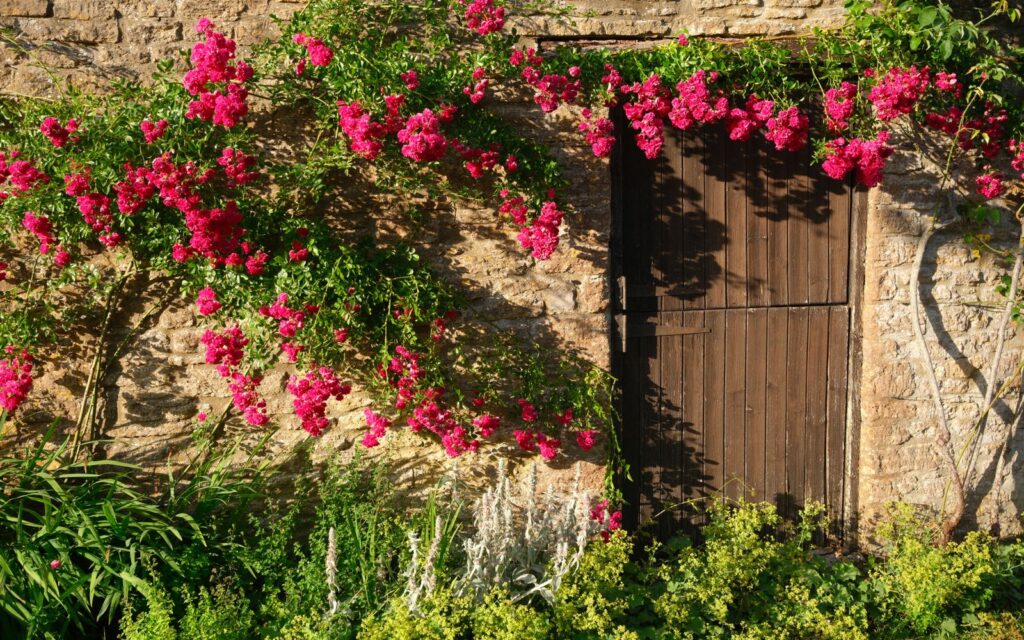
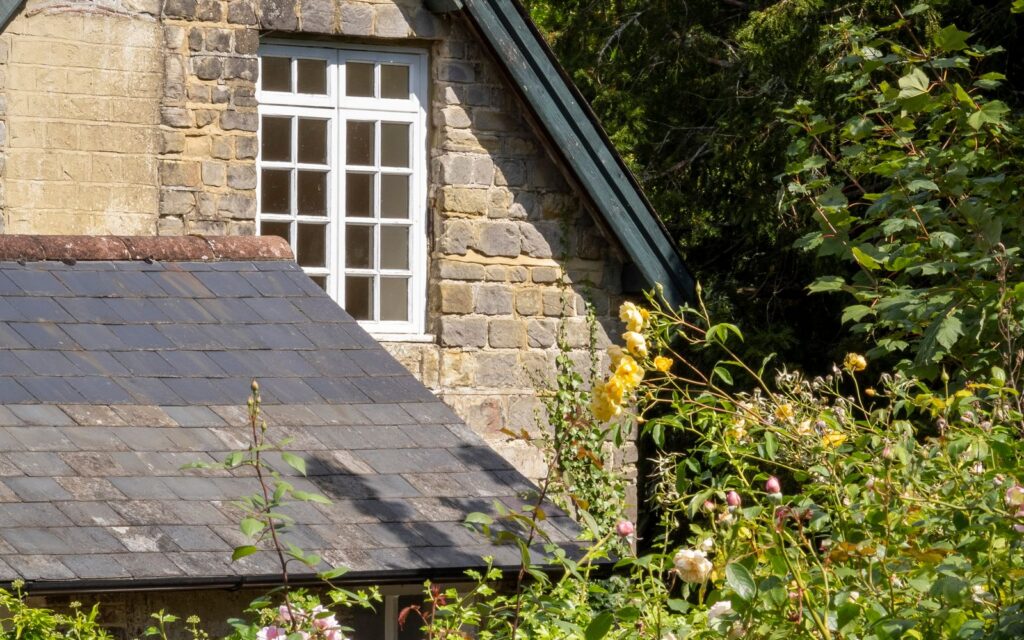
A climbing or rambling rose framing the front or back door is the cottage garden icon. Choose a repeat-flowering, scented variety such as ‘Gertrude Jekyll’, ‘The Generous Gardener’ or ‘Climbing Iceberg’. Train the stems horizontally where possible to encourage more flowers.
3. Create a Winding Path
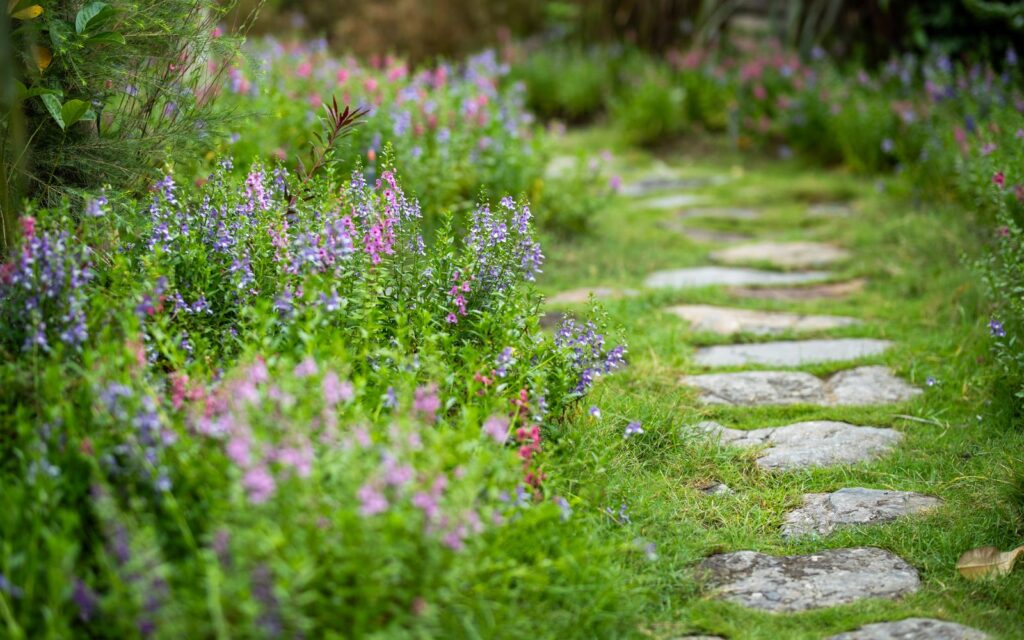
Cottage gardens are made for wandering. A gently curving path of brick, gravel, stepping stones or bark encourages you to slow down. Let plants such as alchemilla, nepeta and thyme spill over the edges to soften them.
4. Mix Flowers, Herbs and Vegetables
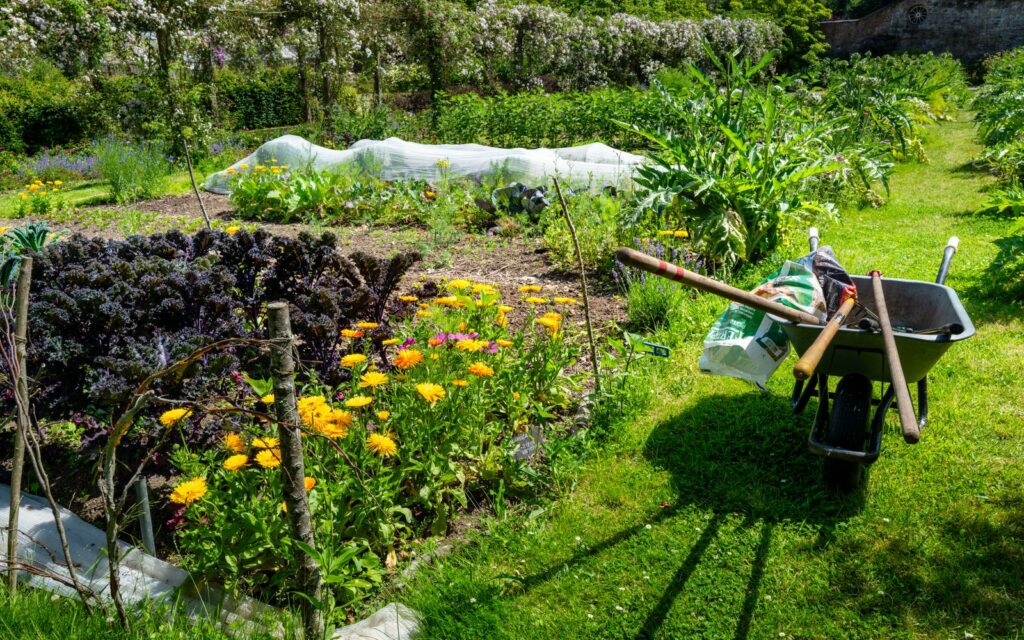
Traditional cottage gardens were practical as well as pretty. Mix herbs such as chives, sage, rosemary and thyme into flower borders, and grow vegetables like runner beans, rainbow chard and lettuces alongside the flowers. It is productive, beautiful and good for pollinators.
5. Choose Classic Cottage Plants
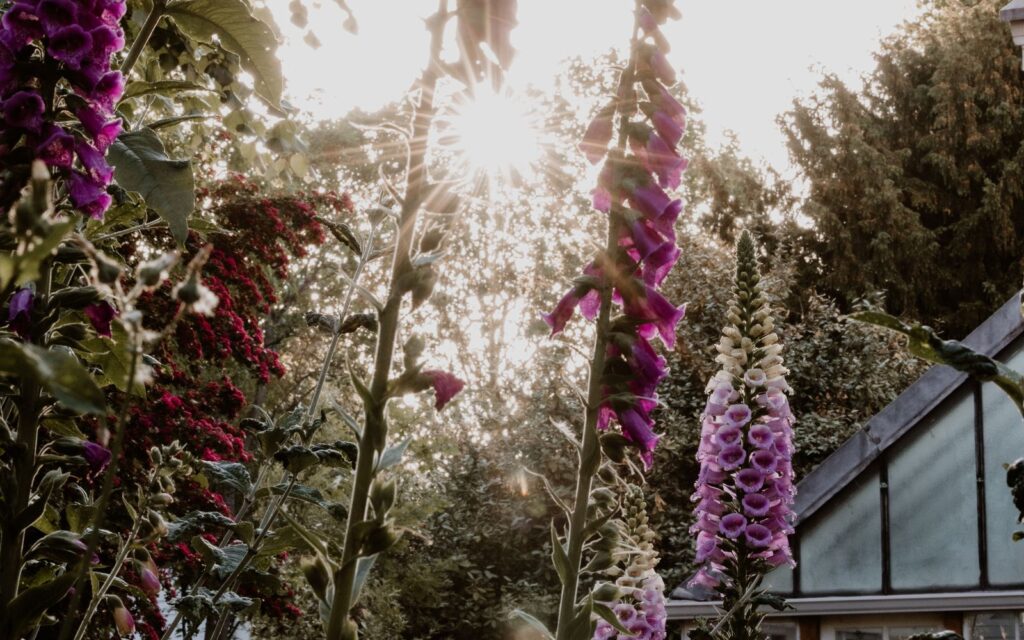
Certain plants instantly say cottage garden. Some of the best include:
- Foxgloves for tall spires in early summer
- Hollyhocks against sunny walls
- Delphiniums and lupins for strong colour and height
- Peonies for lavish late spring blooms
- Sweet peas for scent and cutting
- Hardy geraniums for long-flowering ground cover
- Lavender, catmint and phlox for scent and pollinators
- Aquilegia and forget-me-nots for spring charm
6. Let Plants Self-Seed
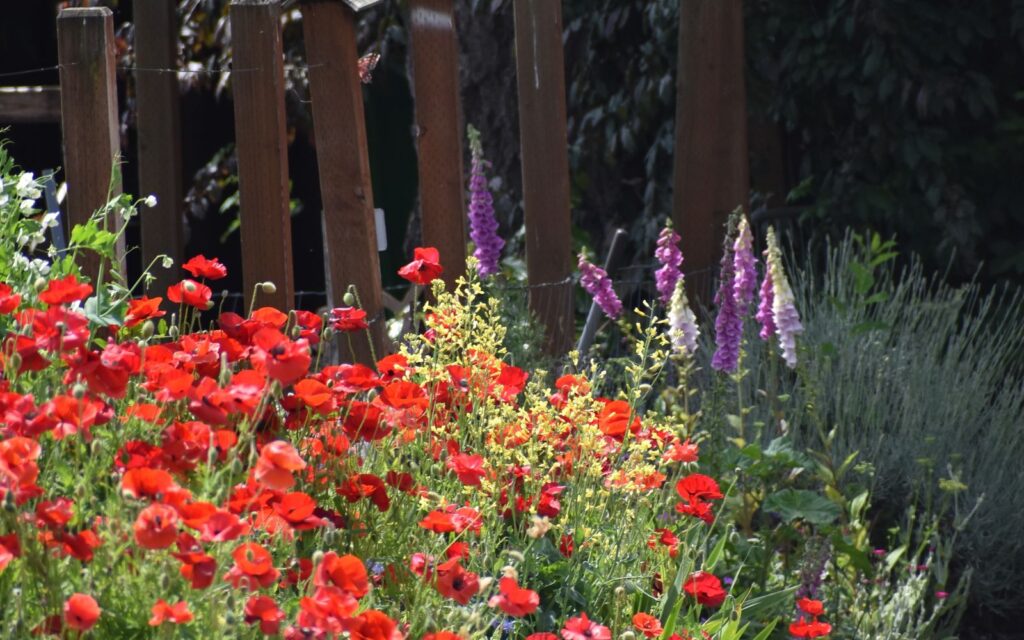
Part of the cottage garden charm is its spontaneity. Allow plants like foxgloves, aquilegia, honesty, poppies, love-in-a-mist and Verbena bonariensis to self-seed. They will pop up in unexpected places, filling gaps and giving the garden a natural, evolving character.
7. Add a Picket Fence or Rustic Gate
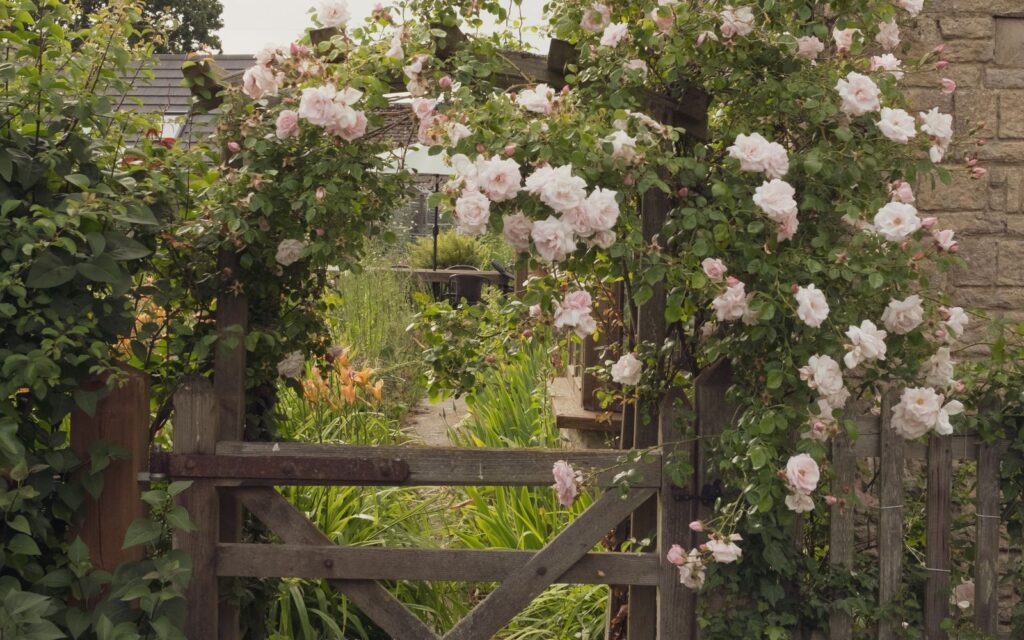
A white or softly painted picket fence, a woven hazel hurdle or an old wooden gate makes a perfect cottage garden boundary. Let roses, clematis and sweet peas scramble over it for a romantic finish.
8. Build a Rose Arch or Arbour
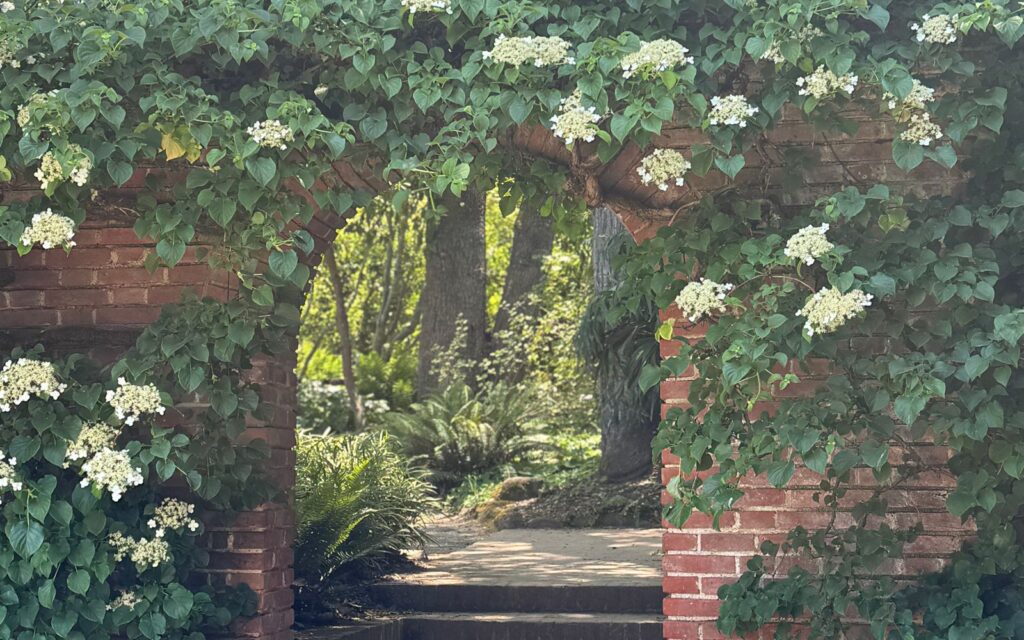
An arch over a path or an arbour with a bench beneath it creates a focal point and adds height. Cover it with roses, honeysuckle or clematis and you will have a fragrant spot to sit on summer evenings.
9. Use Reclaimed and Weathered Materials
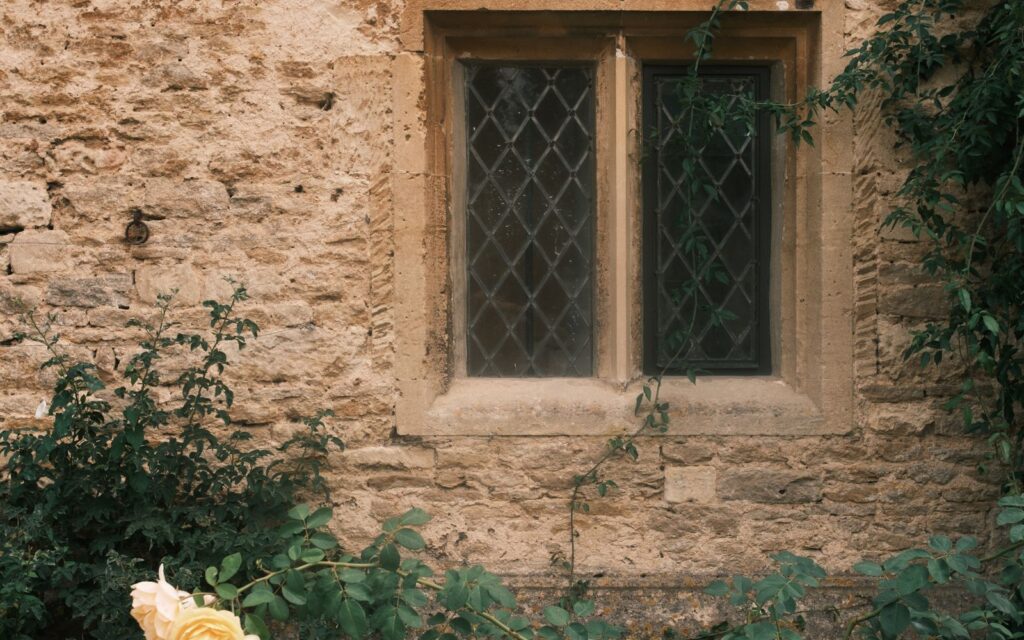
Cottage gardens look best when they appear to have been there for years. Reclaimed bricks, old stone, weathered timber and terracotta pots all add instant character. Look for vintage watering cans, old tin baths and stone troughs to use as planters.
10. Plant for Scent
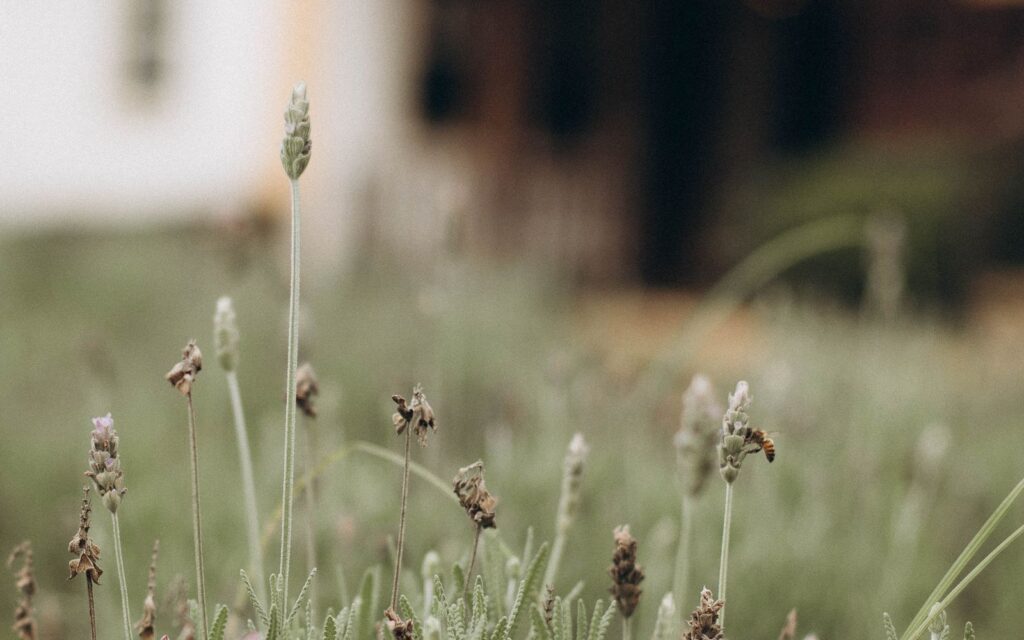
Scent is central to the cottage garden experience. Place fragrant plants near doors, paths and seating so you brush past them often. Good choices include roses, lavender, honeysuckle, jasmine, sweet peas, stocks, night-scented phlox and wallflowers.
11. Grow Climbers Everywhere
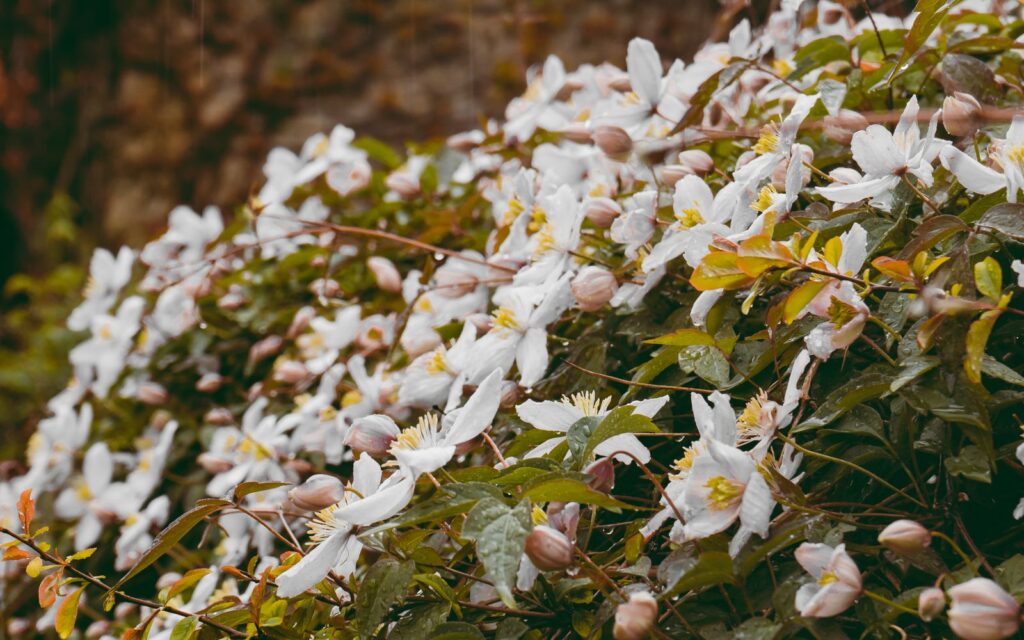
Climbers soften walls, fences, sheds and arches, adding height and romance. Clematis, honeysuckle, climbing roses, jasmine and wisteria all suit the style. Grow two climbers together, such as a rose with a clematis, for a longer season of flowers.
12. Include a Small Lawn or Meadow Patch
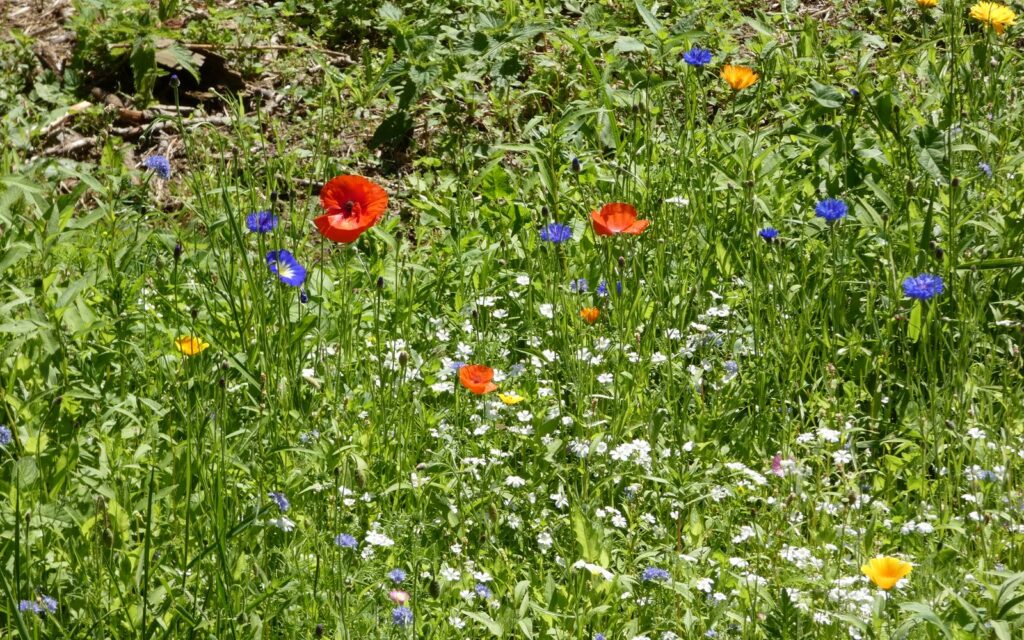
A small area of grass gives the eye somewhere to rest among busy borders. For a more relaxed feel, let part of it grow longer and plant spring bulbs such as snake’s head fritillaries, crocus and wild daffodils to create a mini meadow.
13. Add a Bench Among the Flowers
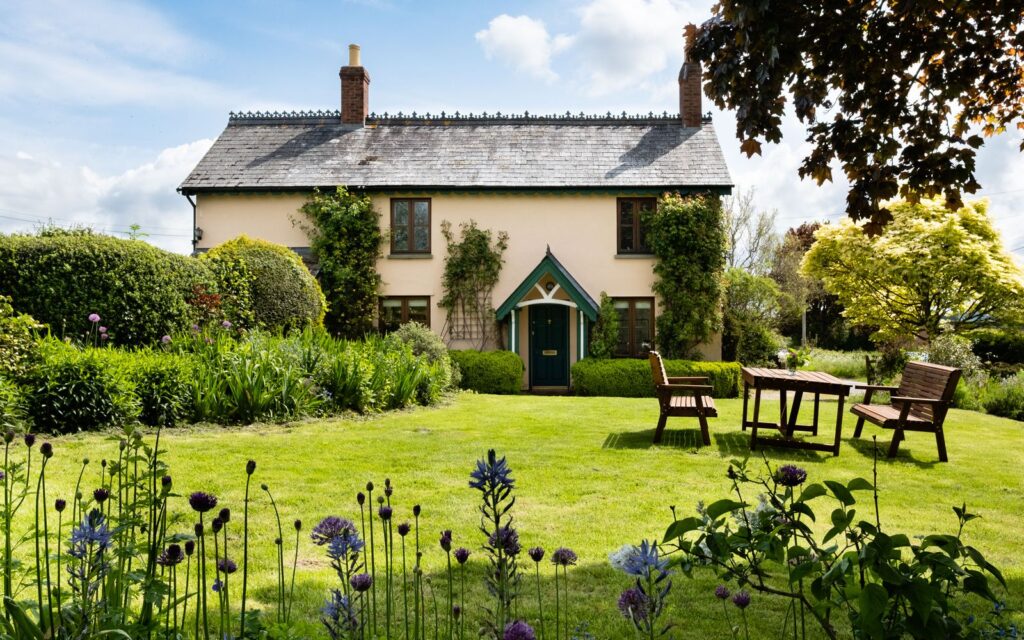
A simple wooden or wrought iron bench tucked into the borders invites you to sit and enjoy the garden. Position it where you are surrounded by scent and colour, perhaps under a small tree or against a sunny wall.
14. Welcome Wildlife
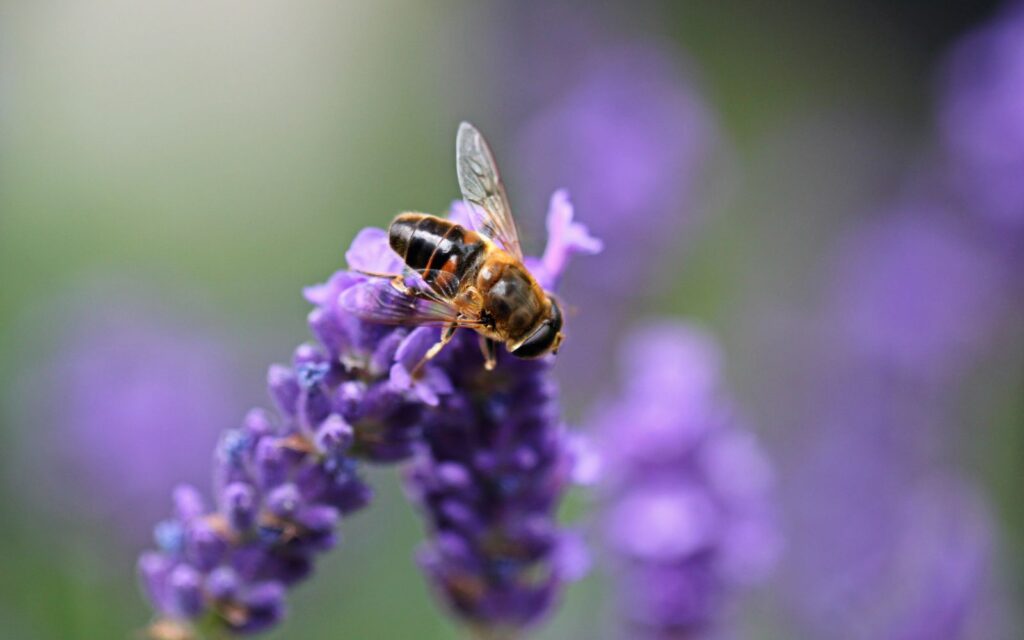
Cottage gardens are naturally wildlife friendly. Add a bird bath, a bug hotel, a small pond or a log pile to attract birds, bees, butterflies and hedgehogs. Choose single-flowered plants rather than double forms, as they are easier for pollinators to feed from.
15. Grow a Cutting Patch
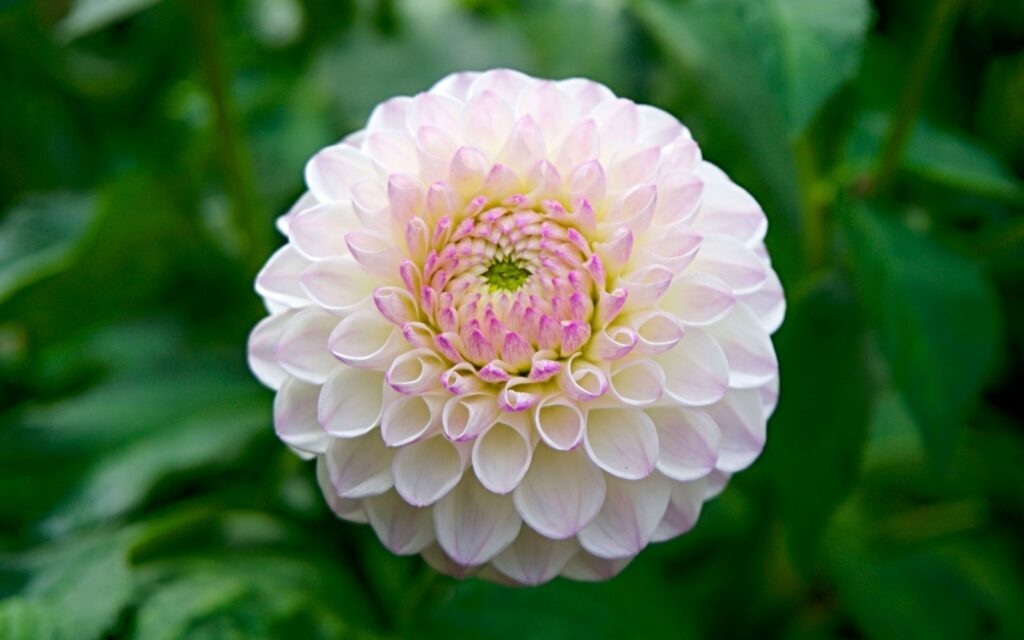
One of the joys of a cottage garden is bringing flowers indoors. Set aside a small bed or a corner of the vegetable patch for cut flowers such as sweet peas, cosmos, dahlias, zinnias and cornflowers. The more you cut, the more they flower.
Caring for a Cottage Garden
Although cottage gardens look relaxed, they still need a little care to keep them looking their best:
- Deadhead regularly to keep plants flowering for longer.
- Stake tall plants such as delphiniums and peonies early in the season.
- Mulch in spring with compost or well-rotted manure to feed the soil.
- Divide perennials every few years to keep them vigorous.
- Edit self-seeders so they do not take over.
Final Thoughts
A cottage garden is a celebration of abundance, scent and colour. By planting generously, mixing flowers with herbs and vegetables, adding romantic climbers and rustic details and welcoming wildlife, you can create a charming British garden that feels timeless. It is a style that rewards relaxed gardening, and one that only grows more beautiful with each passing year.