
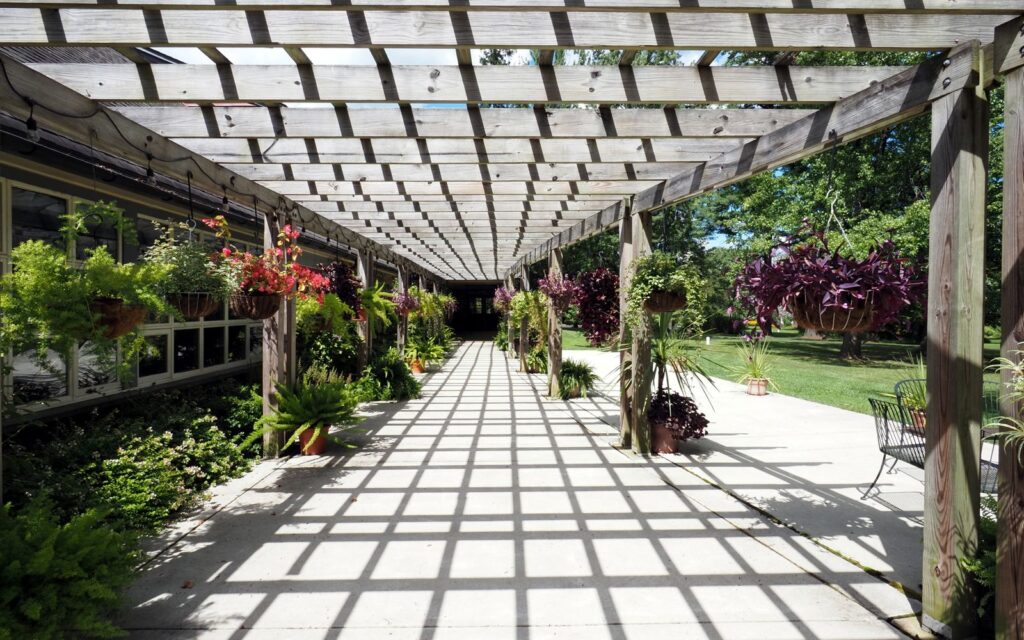
Garden structures such as pergolas, pavilions, sheds, arbours, summerhouses and garden rooms add shape, shelter and character to outdoor spaces. But the material you choose will determine how they look, how long they last and how much work they need to keep them in good condition. In the UK, where rain, frost, wind and damp are part of everyday life, choosing the right material is especially important.
Here is a guide to choosing the best materials for outdoor garden structures, with the pros and cons of each.
Start With the Purpose of the Structure
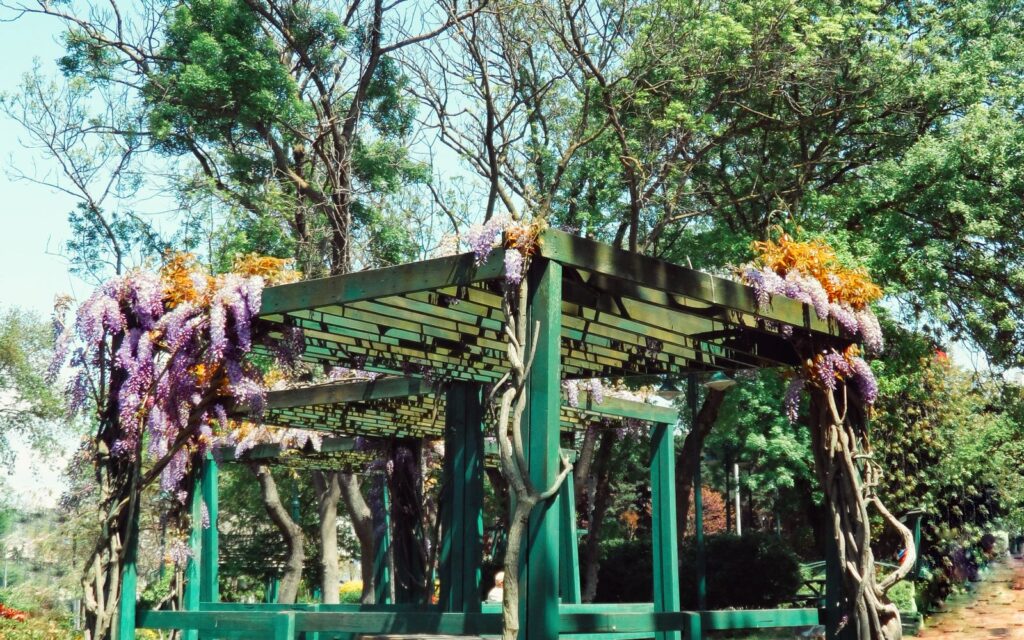
Before comparing materials, think about what the structure needs to do.
- Decorative structures such as arches, obelisks and trellis need to support plants and look attractive.
- Shade structures such as pergolas need to be strong enough for climbers and any roof covering.
- Shelters such as pavilions and gazebos must carry a solid roof and withstand wind and rain.
- Enclosed buildings such as garden rooms and sheds need weatherproofing, security and sometimes insulation.
Consider also the style of your house and garden, your budget and how much maintenance you are willing to do.
Timber
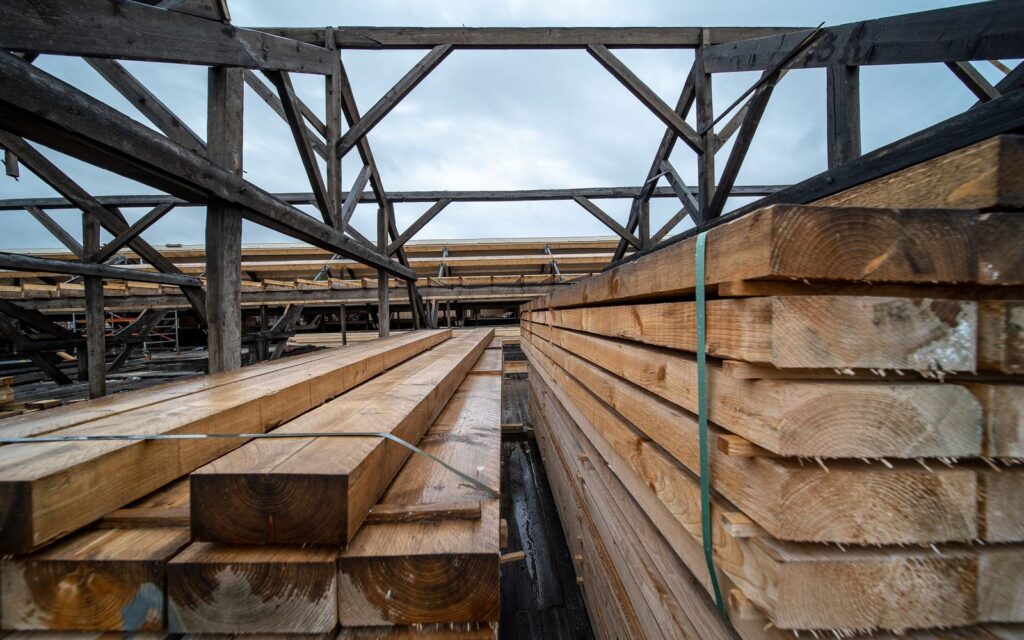
Timber is the most popular material for garden structures in Britain. It is natural, warm and blends beautifully into the garden. It is also renewable when sourced from responsibly managed forests.
Softwoods
- Pressure-treated pine and spruce are affordable and widely available. Treatment protects them from rot and insects, but they can look plain and may warp or twist over time.
- Douglas fir is a strong, stable softwood with a straight grain and warm colour. It is well suited to structural timber framing for pergolas and pavilions and takes stains and oils well.
- Larch is naturally durable and resinous, often used without treatment. It weathers to an attractive silvery grey.
- Western red cedar is lightweight, naturally resistant to rot and has a lovely aroma. It is ideal for cladding and roof shingles but is softer and more easily dented.
Hardwoods
- Oak is the classic British choice for traditional frames. It is extremely strong and long-lasting, though more expensive. Green oak shrinks and moves as it dries, which adds character but needs to be allowed for.
- Sweet chestnut is a durable native hardwood often used for posts, fencing and rustic structures.
- Tropical hardwoods such as iroko and teak are very durable, but always check they come from certified sustainable sources.
Pros and cons of timber
Timber is attractive, versatile and easy to work with. It can be stained, oiled or left to weather naturally. However, it needs periodic maintenance to protect it from moisture and UV, and solid timber will naturally move, crack slightly and change colour over time. Good design, such as keeping post bases off the ground and ensuring water drains away, greatly extends its life.
Metal
Aluminium
Aluminium is lightweight, rust-resistant and low maintenance. It is widely used for modern pergolas, louvred roofs and garden furniture. Powder-coated finishes come in many colours and need little more than an occasional wash. It suits contemporary gardens but can feel less natural than timber.
Steel
Galvanised or powder-coated steel is extremely strong, allowing slim, elegant structures that can span wide openings. It is a good choice for modern pergolas, arches and frames. Untreated steel will rust unless protected, although weathering steel, known as Corten, is designed to form a stable rust-coloured layer that protects it.
Wrought iron
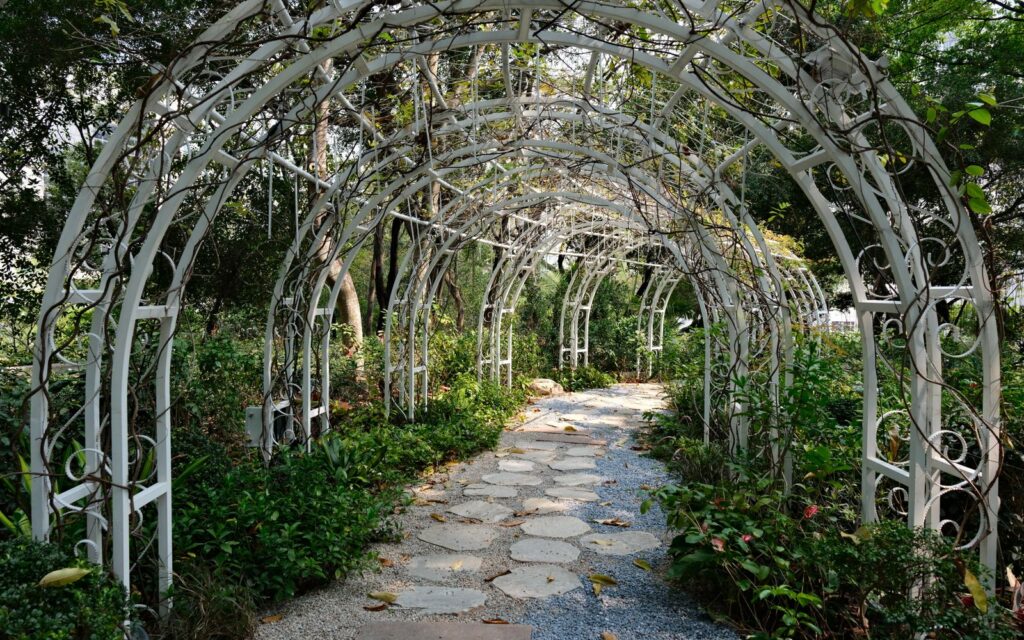
Wrought iron and cast iron are traditional choices for arches, gazebos and decorative structures. They have a timeless, romantic look but need regular painting to prevent rust.
Masonry
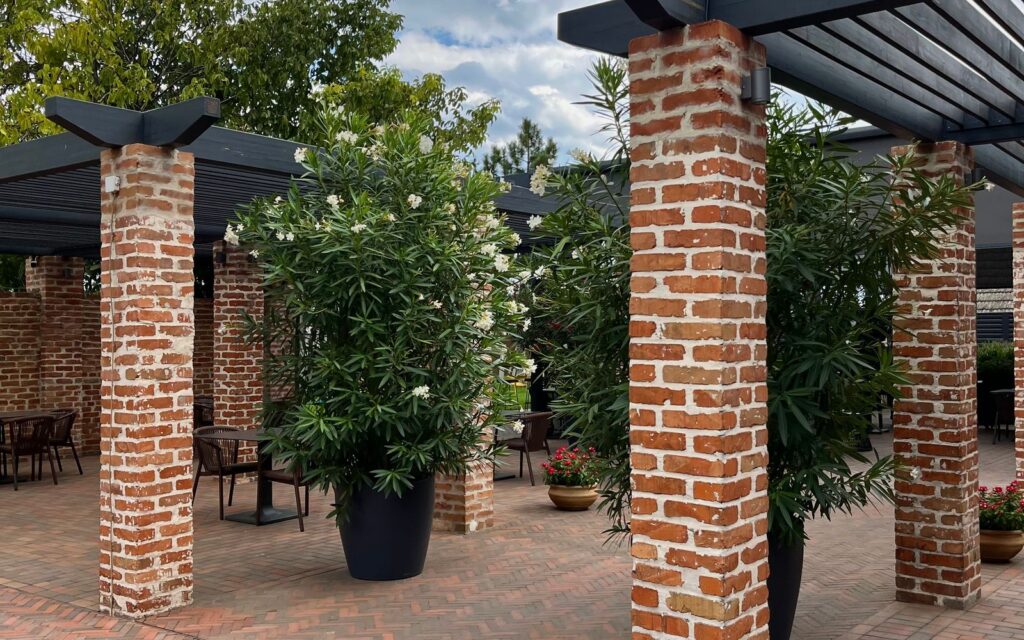
Brick, stone and rendered blockwork are used for walls, pillars, outdoor kitchens, fireplaces and the bases of larger structures. They are extremely durable, require little maintenance and can last for generations. However, masonry is expensive, heavy and permanent, and usually needs proper foundations. It is often combined with timber, for example timber beams resting on brick or stone pillars.
Composite and Recycled Materials
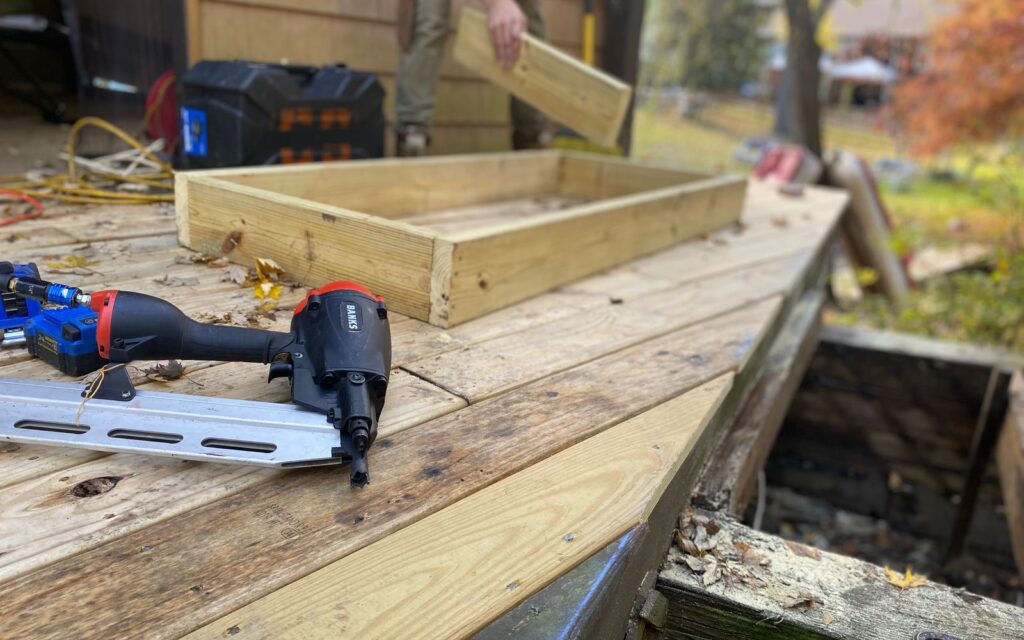
Composite materials made from a blend of wood fibres and plastic are popular for decking, cladding and some garden buildings. They resist rot, do not need staining and stay looking consistent for years. They can be more expensive than softwood, can feel less natural and may get hot in direct sun. Recycled plastic lumber is another option for raised beds, benches and simple structures.
Roofing Materials
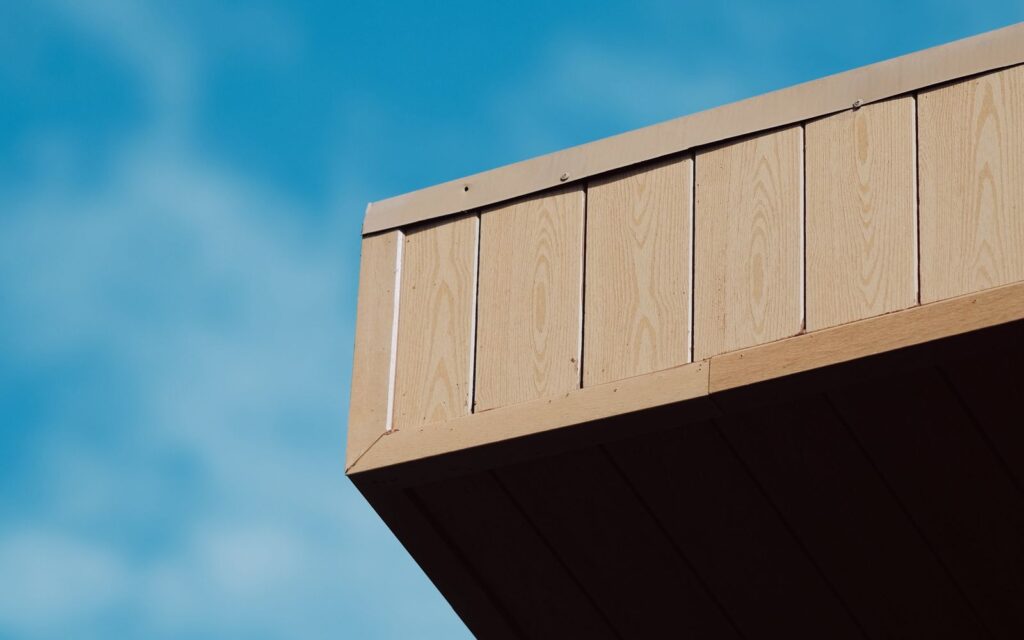
If your structure has a roof, the covering matters as much as the frame.
- Felt and EPDM rubber are affordable and common on sheds and small garden buildings. EPDM lasts much longer than traditional felt.
- Cedar shingles are attractive, natural and long-lasting on pitched roofs.
- Metal roofing in steel or aluminium is durable, lightweight and quick to install.
- Polycarbonate sheets let light through while keeping rain off, ideal for pergolas and covered patios.
- Slate and clay tiles are beautiful and very long-lasting but heavy, needing a strong frame.
- Green roofs planted with sedum add insulation, absorb rainwater and benefit wildlife.
Finishes and Protection
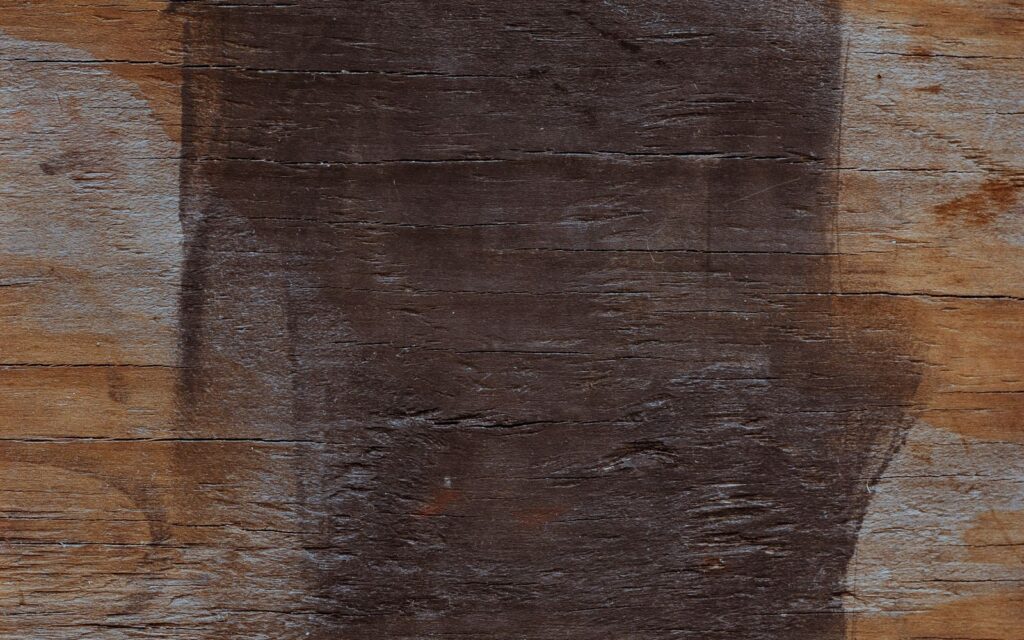
The finish on a structure affects both its appearance and its lifespan.
- Penetrating oils and stains soak into timber, protecting it from moisture and UV without forming a film that can peel.
- Paints and opaque stains give strong colour but usually need more frequent recoating.
- Powder coating protects metal with a tough, long-lasting finish.
- Natural weathering suits durable timbers such as oak, larch and cedar, which can be left to turn silver-grey.
Comparing the Options
- Best for a natural look: Douglas fir, oak, larch or cedar
- Best on a budget: pressure-treated softwood
- Lowest maintenance: powder-coated aluminium or composite
- Longest lasting: masonry, oak and steel
- Best for contemporary gardens: aluminium, steel and smooth-planed timber
- Best for traditional gardens: oak, brick, stone and wrought iron
Sustainability Matters
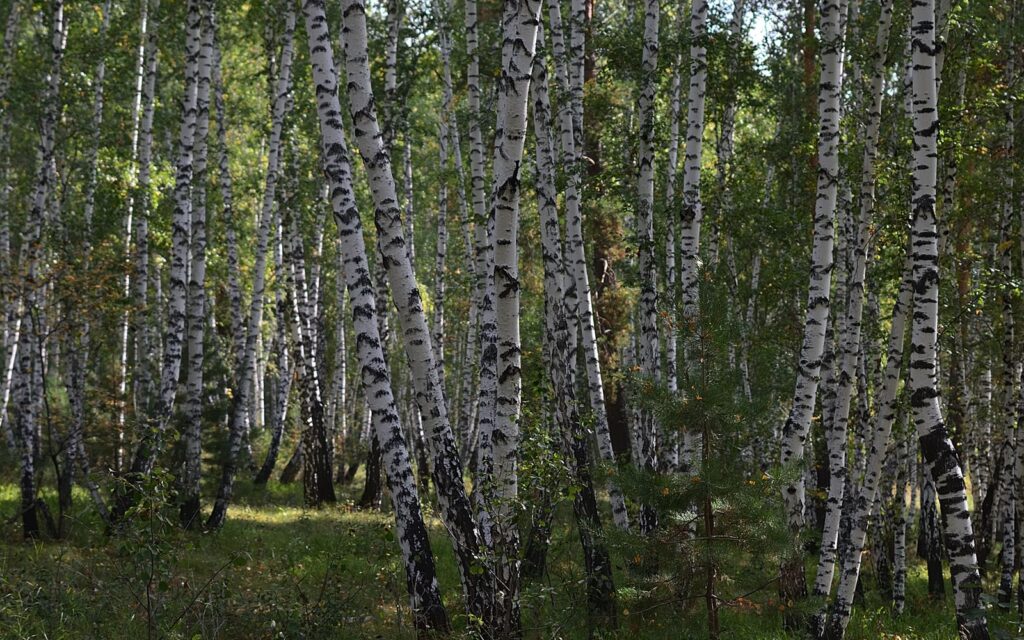
Choose timber with FSC or PEFC certification to ensure it comes from responsibly managed forests. Consider locally sourced materials to reduce transport emissions, and look at reclaimed bricks, timber and stone, which add character while keeping materials out of landfill. A well-built structure that lasts for decades is one of the most sustainable choices of all.
Final Thoughts
The best material for an outdoor garden structure depends on what it needs to do, the look you want, your budget and how much time you want to spend on upkeep. Timber offers natural warmth and versatility, metal brings strength and modern style, and masonry provides permanence. By choosing carefully and protecting your structure properly, you can create a garden feature that stands up to the British weather and looks beautiful for many years.