
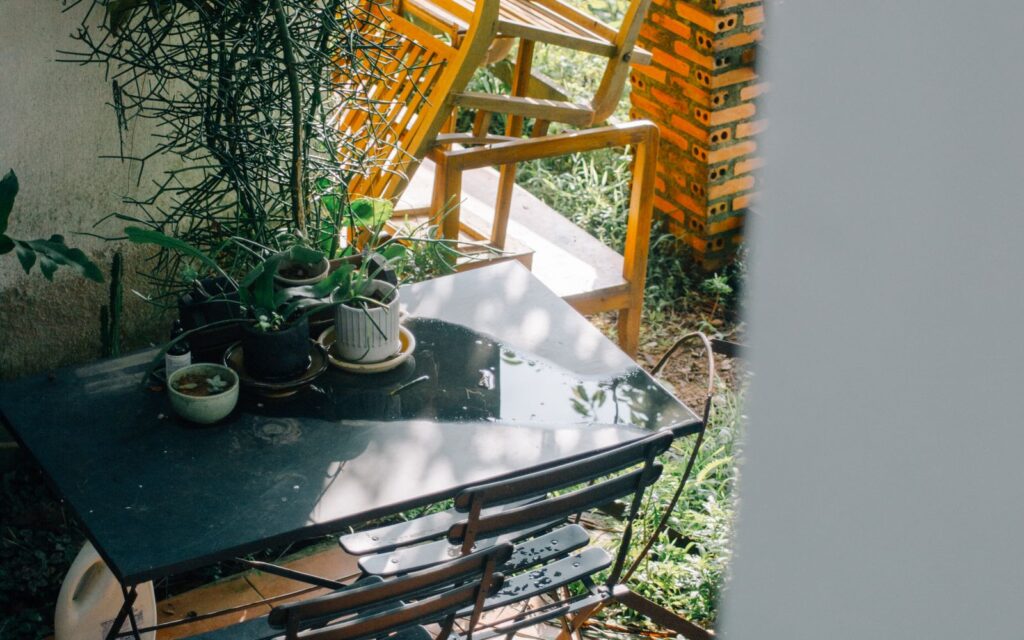
Small gardens are the norm across much of the UK. Terraced houses, new build estates and city flats with courtyard spaces all share the same challenge: how do you fit seating, planting and storage into a few square metres without it feeling cramped? The good news is that a small garden can be one of the most rewarding spaces to design, because every decision counts and every plant is seen up close.
Here are 12 small garden landscaping ideas that work brilliantly in British homes, whatever the size or shape of your plot.
1. Lay Paving on the Diagonal
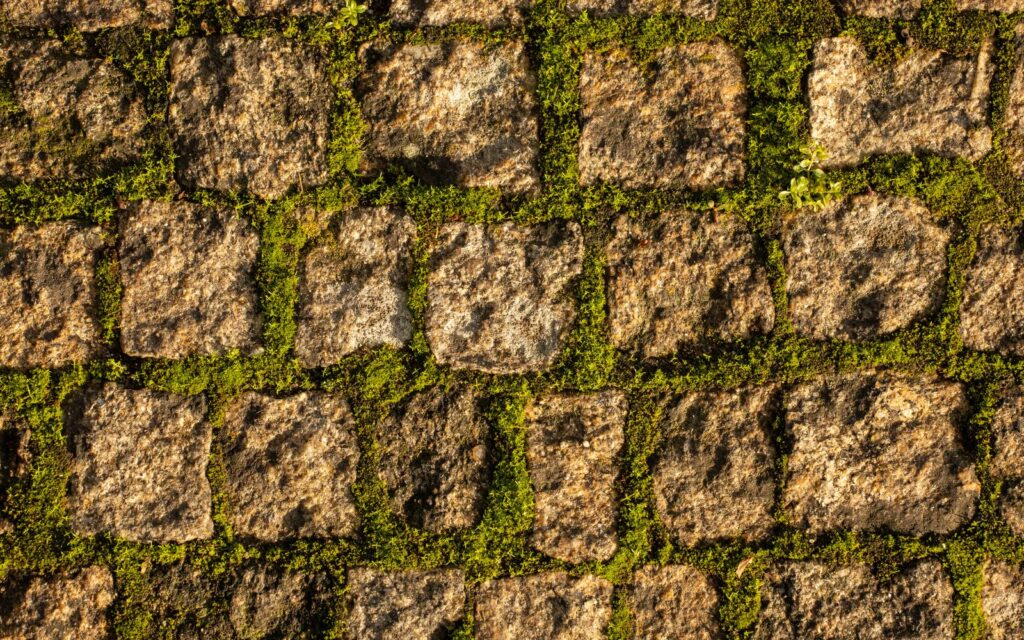
Laying paving slabs at a 45 degree angle is one of the simplest ways to make a small garden look wider. The diagonal lines draw the eye across the space rather than straight to the back fence, creating an illusion of depth. Large format porcelain or sandstone slabs work particularly well, as fewer joints make the surface look calmer and more expansive.
2. Create Different Levels
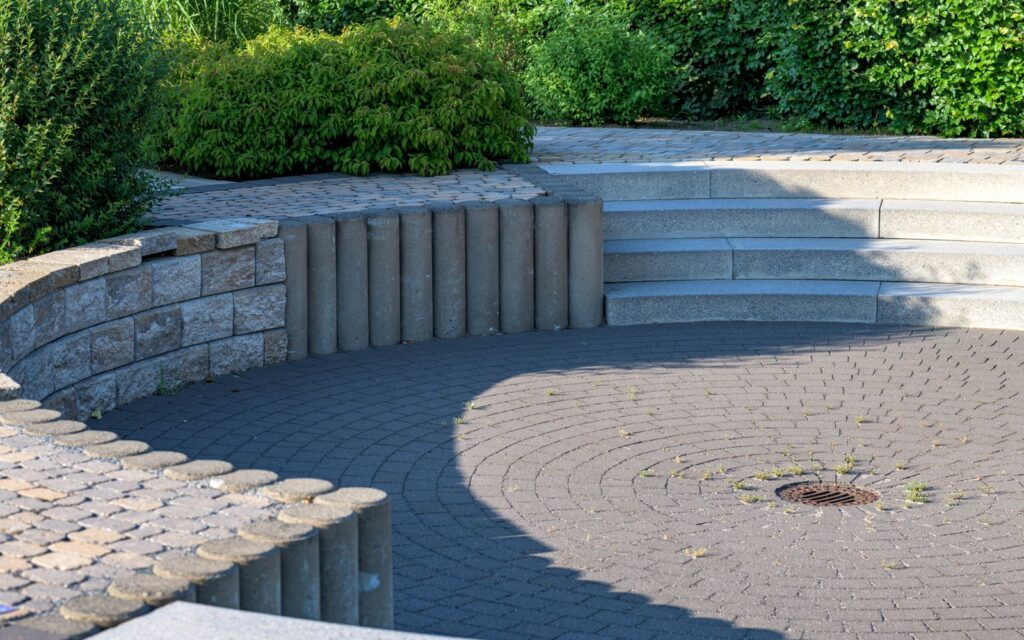
Changing levels adds interest and divides a small garden into distinct zones without walls. A slightly raised deck for dining, a sunken seating area or a single step up to a planted terrace all make the garden feel more designed. If your garden slopes, embrace it with a couple of shallow terraces held back by sleepers or rendered block walls.
3. Build Raised Beds Around the Edges
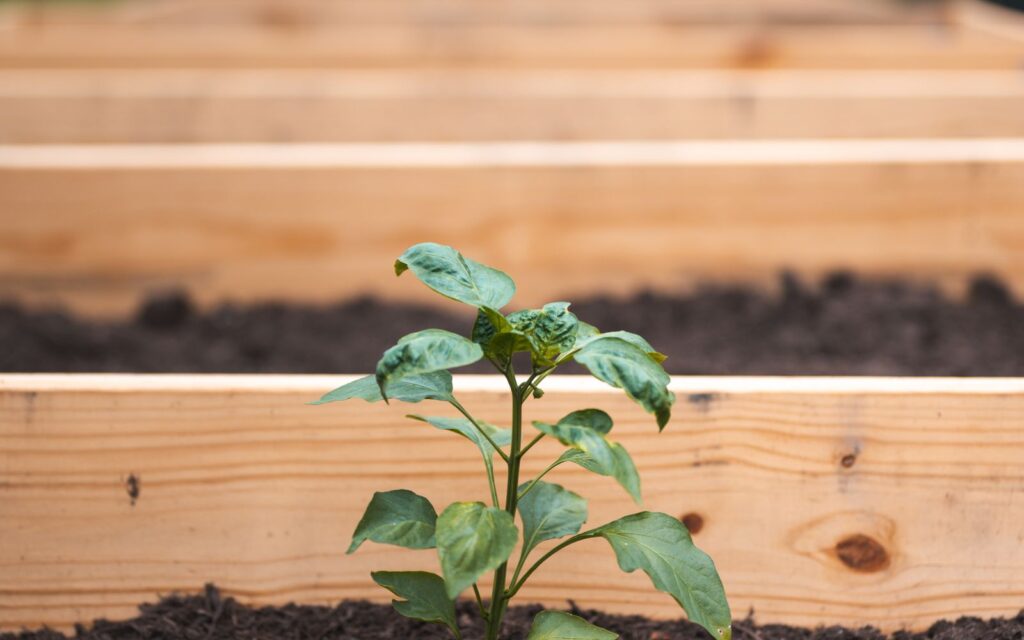
Raised beds along boundary walls keep the centre of the garden open while giving you deep, fertile soil for planting. They also double as informal seating if you finish them with a wide timber or stone capping. In heavy clay soils, which are common across much of England, raised beds improve drainage and make gardening far easier on the back.
4. Use Built-In Seating
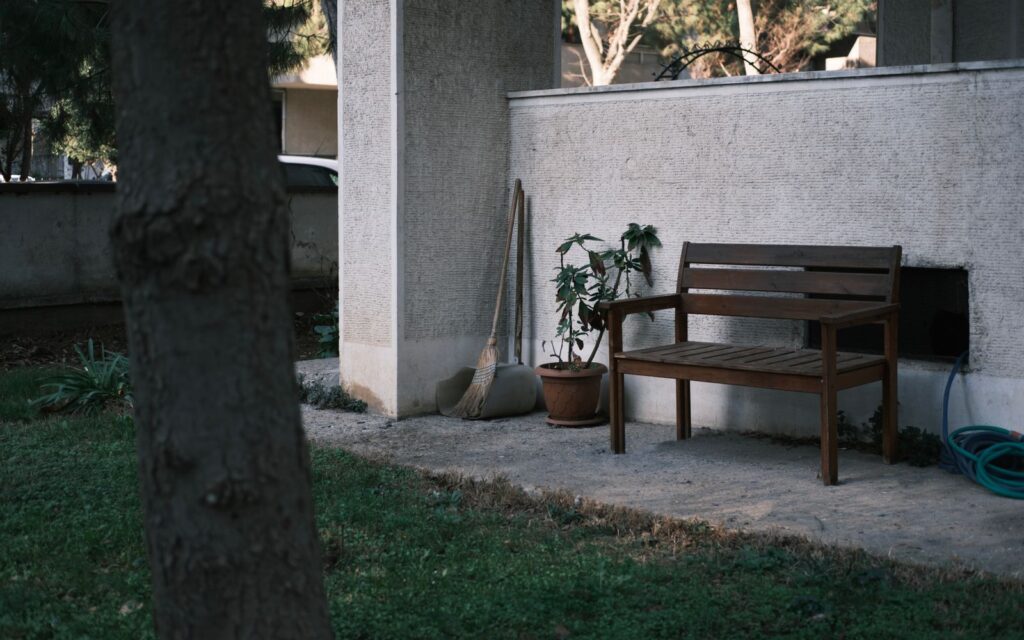
Freestanding furniture can take up a surprising amount of space. Built-in benches along a wall or around a corner provide plenty of seating with a much smaller footprint. Add storage underneath with a hinged lid for cushions, tools or children’s toys, and you solve two problems at once.
5. Go Vertical With Planting
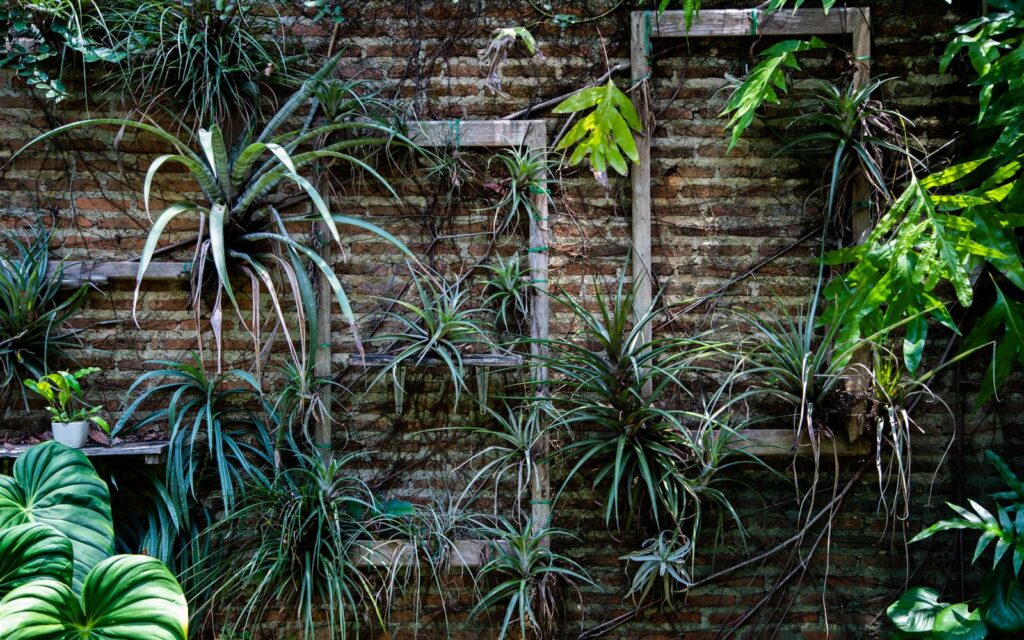
When ground space is limited, look up. Living walls, trellis panels, wall mounted planters and climbers turn bare fences into lush green backdrops. Good choices for UK gardens include:
- Star jasmine (Trachelospermum jasminoides) for evergreen leaves and scented summer flowers
- Clematis for a long season of colour
- Climbing hydrangea for shady north facing walls
- Espaliered apples or pears for fruit that grows flat against a fence
6. Choose a Limited Colour Palette

Too many colours in a small space can feel busy. Pick two or three main tones and repeat them in your planting, furniture and hard landscaping. Soft whites, blues and silvers make a space feel airy and larger, while deep greens with touches of burgundy create a cosy, enclosed feel. Painting fences in a dark colour such as charcoal or deep green helps them recede, making the plants in front stand out.
7. Add a Water Feature

A small water feature brings movement, sound and wildlife into the garden. You do not need a pond. A self contained bubble fountain, a wall mounted spout or a large glazed bowl filled with water and a single water lily all work beautifully in compact spaces. The gentle sound of water also helps mask traffic noise in urban gardens.
8. Plant a Small Tree

Many people avoid trees in small gardens, but the right tree adds height, structure and a sense of maturity. Choose a multi-stemmed tree with a light canopy so it does not cast heavy shade. Excellent options include:
- Amelanchier lamarckii, with spring blossom and fiery autumn colour
- Japanese maple, for elegant foliage in a sheltered spot
- Crab apple Malus ‘Evereste’, with blossom, fruit and wildlife value
- Silver birch ‘Grayswood Ghost’, for brilliant white bark
9. Use Mirrors and Reflective Surfaces

An outdoor mirror placed on a boundary wall reflects light and planting, making the garden appear to continue beyond the fence. Arched mirrors framed like a window or doorway are especially convincing. Place them where they reflect greenery rather than the house, and angle them slightly so birds are less likely to fly into them.
10. Blur the Boundaries
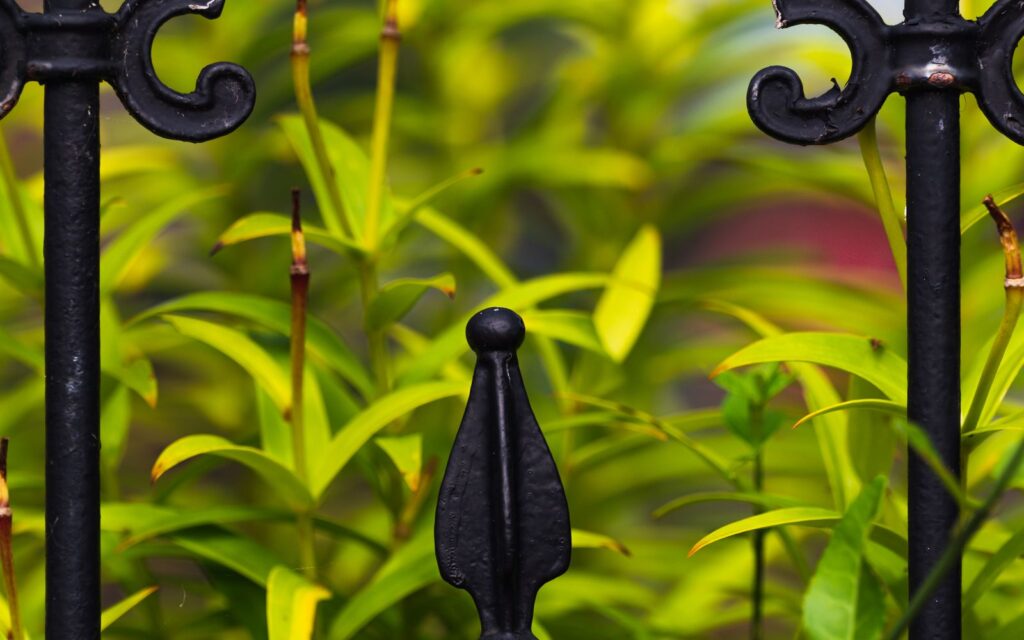
When you can see every edge of a garden, it looks small. Soften fences and walls with layered planting so the boundaries disappear. Tall grasses, ferns and shrubs in front of the fence create depth and mystery. If you can borrow a view of a neighbour’s tree or the sky beyond, frame it rather than block it out.
11. Install Smart Garden Storage
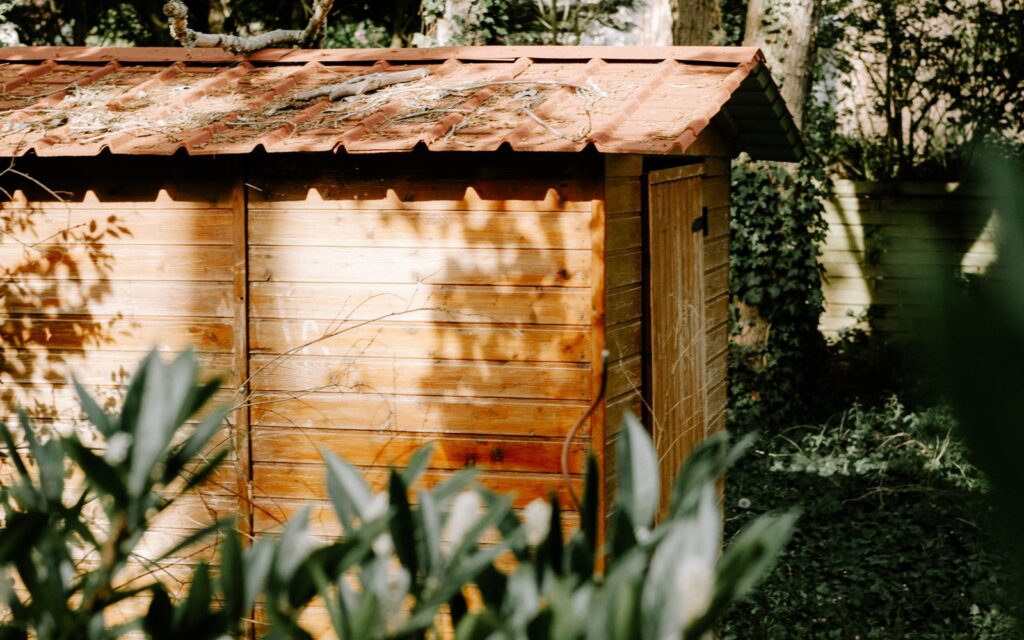
Clutter is the enemy of a small garden. A slim bike store, a tall narrow shed or a storage bench keeps tools, bins and bikes out of sight. Clad storage units in the same timber as your fence or decking so they blend in. A living roof planted with sedum on top of a bin store turns a practical necessity into a feature.
12. Light It Thoughtfully
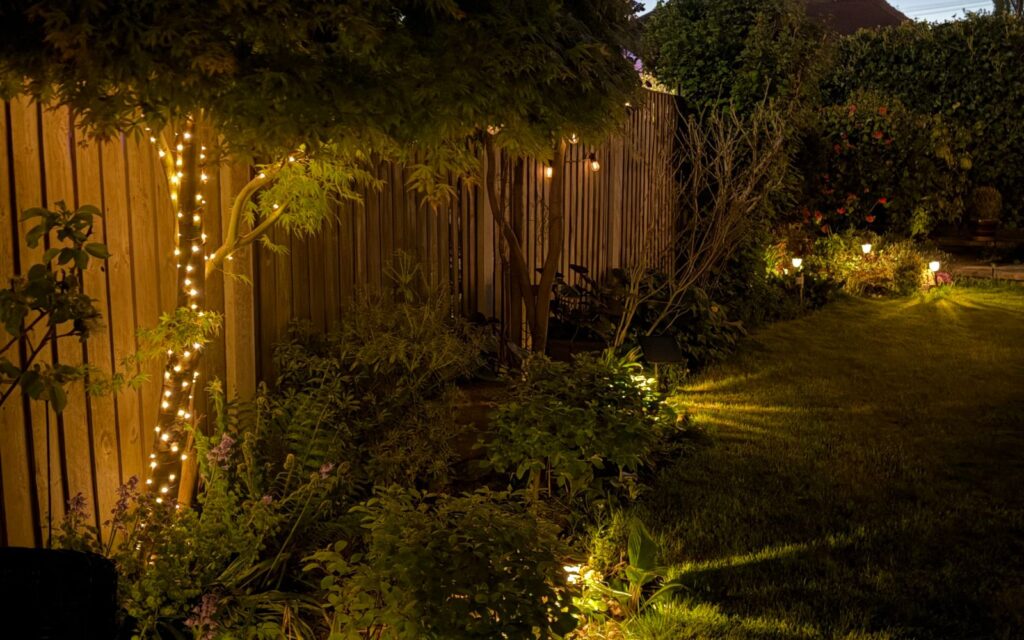
Good lighting extends the use of a small garden into the evening and makes it feel larger after dark. Uplight a tree or textured wall, add low level path lights and string festoon lights above a seating area. Warm white bulbs create a welcoming atmosphere, and solar or low voltage options keep running costs down.
Planning Tips for Small UK Gardens
Before starting any landscaping project, consider these practical points:
- Check the aspect. A south facing garden gets the most sun, while a north facing one will suit shade loving plants.
- Think about drainage. Heavy UK rainfall means patios should have a slight fall away from the house.
- Consider permeable surfaces. Gravel and permeable paving help rainwater soak away and reduce flooding.
- Keep sight lines open. Avoid placing tall items in the middle of the garden where they block the view.
- Invest in quality materials. In a small garden every surface is seen up close, so it is worth choosing materials that age well.
Final Thoughts
A small garden is not a limitation. It is an opportunity to create a space that is intimate, well used and full of detail. By combining clever layout tricks with vertical planting, built-in features and a restrained palette, you can turn even the tiniest UK plot into a garden that feels generous, calm and entirely your own.