
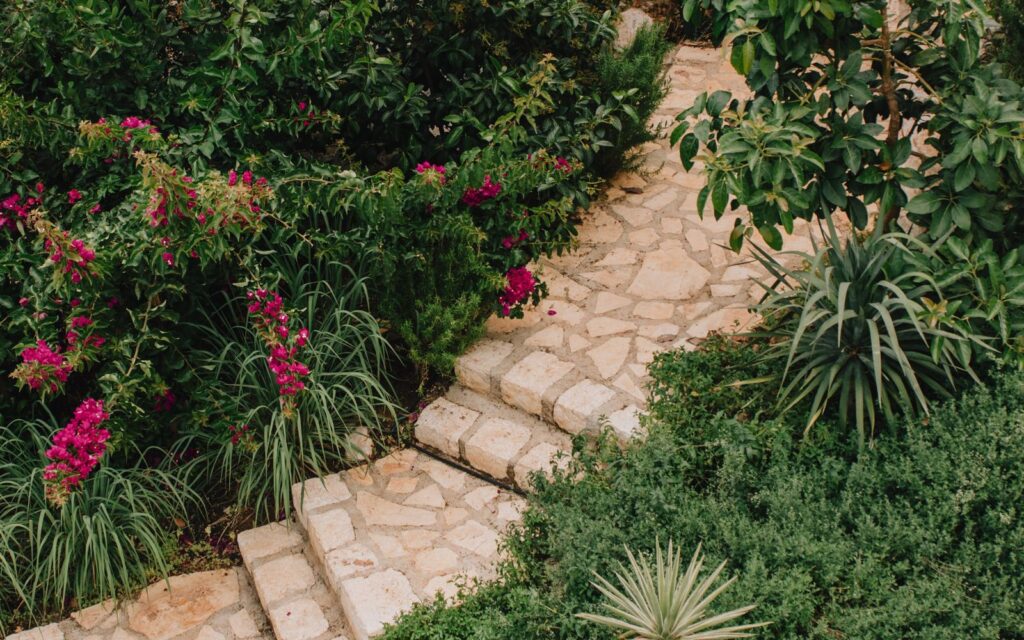
A beautiful garden does not need a big budget. Some of the loveliest gardens in Britain were built slowly, with cuttings from friends, plants grown from seed and materials rescued from skips and reclamation yards. What they have in common is not money but a clear plan, a little patience and a willingness to let nature do some of the work.
This guide walks you through how to create a garden you love without overspending, from planning the layout to choosing plants, building features and keeping costs low year after year.
Start With a Plan Before You Spend a Penny

The most expensive gardens are often the ones that get changed three times. Before buying anything, spend a few weeks simply watching your space. Note where the sun falls in the morning and evening, which corners stay damp after rain and where you naturally want to sit with a cup of tea.
Sketch a rough plan on paper. Mark the essentials first: somewhere to sit, a path to the bin store or shed, space for washing and any areas for growing. Then add the pleasures, such as a flower border, a small tree or a herb bed. Having a plan means every purchase has a purpose and you avoid impulse buys at the garden centre that end up in the wrong place.
Work in phases
You do not need to finish the garden in one season. Break the project into stages. Year one might be clearing, improving the soil and laying a simple path. Year two could be planting the main borders. Spreading the cost makes it manageable and gives you time to learn what grows well in your plot.
Improve the Soil for Free
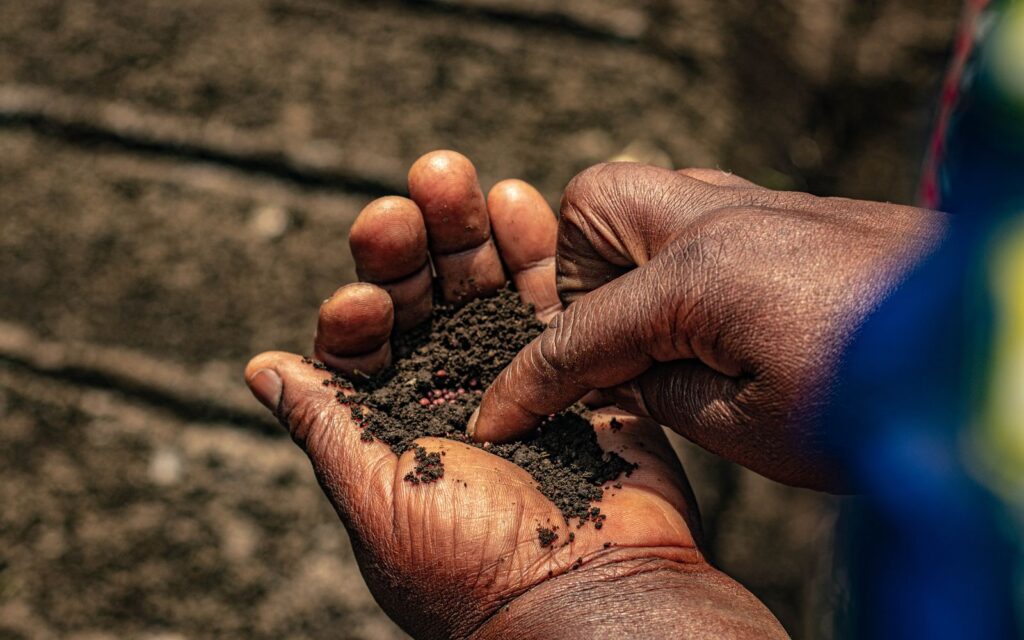
Healthy soil is the foundation of a thriving garden, and it costs very little to improve. Start a compost heap or buy a cheap compost bin, often available at a discount through local councils. Kitchen peelings, grass clippings, cardboard and fallen leaves will turn into rich, crumbly compost within a year.
Leaf mould is another free treasure. Fill black bin bags with autumn leaves, dampen them, poke a few holes in the sides and leave them tucked behind the shed. In a year or two you will have a wonderful soil conditioner that would cost a fortune to buy in bags.
Grow Plants From Seed, Cuttings and Divisions
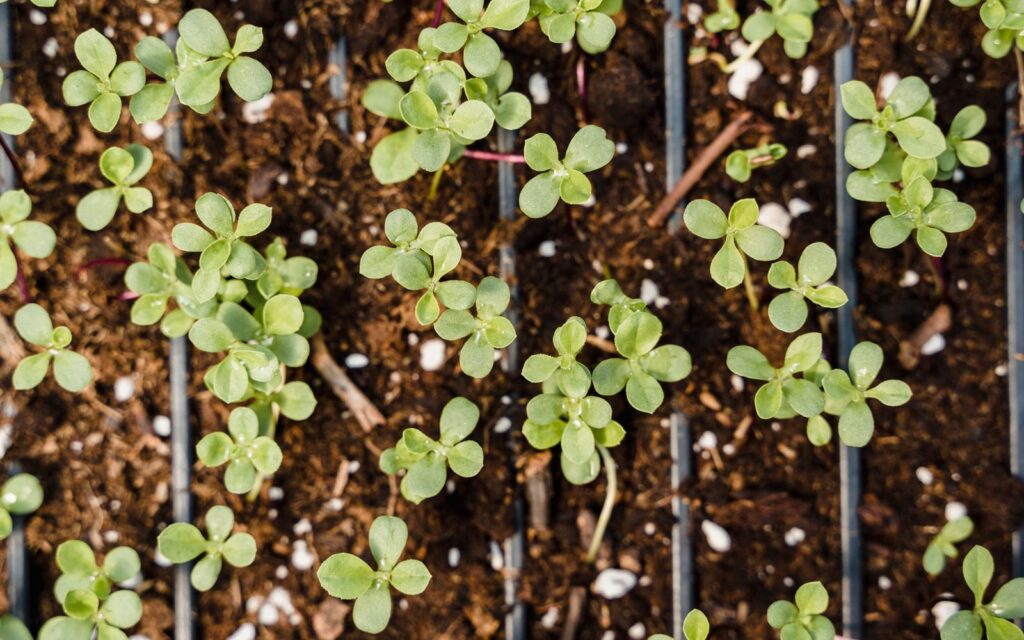
Plants are usually the biggest garden expense, but they are also the easiest place to save. A single packet of seeds costing a couple of pounds can fill an entire border.
- Hardy annuals such as cornflowers, calendula, nigella and poppies can be sown directly into the ground in spring for a summer full of colour.
- Perennials from seed such as foxgloves, verbena bonariensis, echinacea and lupins take a little longer but come back every year.
- Cuttings from lavender, rosemary, salvias, fuchsias and penstemons root easily in pots of gritty compost.
- Division of established perennials like hardy geraniums, hostas and asters gives you several new plants from one clump.
Ask friends, neighbours and family if you can take cuttings or have a spare division. Gardeners are famously generous, and local plant swaps, community Facebook groups and allotment societies are excellent places to pick up healthy plants for free or for a small donation.
Buy small and buy smart
When you do buy plants, choose smaller pot sizes. A perennial in a 9cm pot will catch up with a 2 litre plant within a season for a fraction of the price. Look out for end of season sales in late summer and autumn, when garden centres reduce perennials that have finished flowering but are perfectly healthy underneath.
Use Reclaimed and Recycled Materials
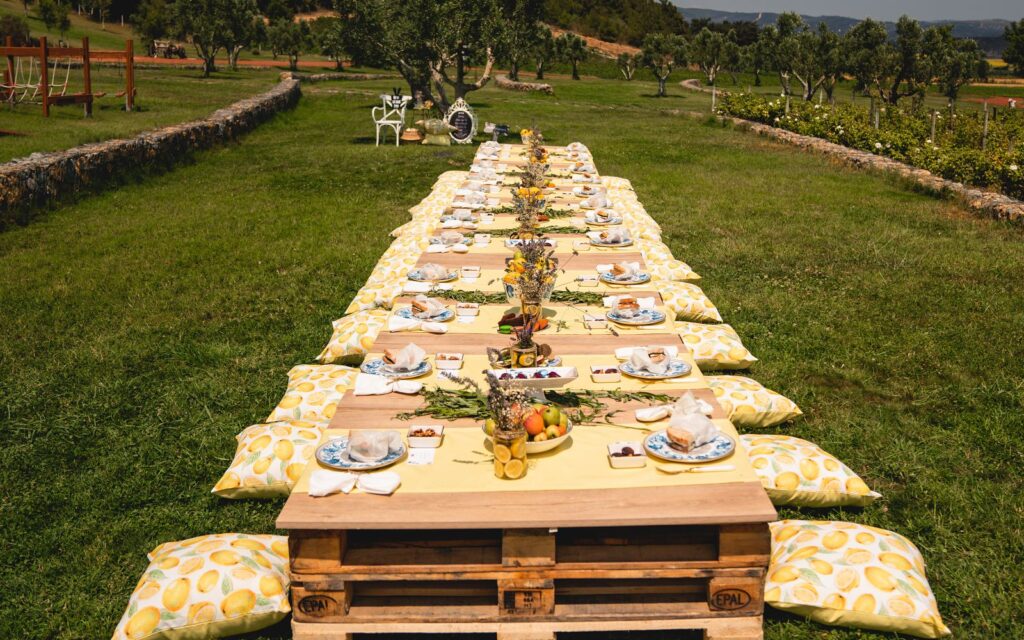
Hard landscaping can quickly eat into a budget, but there are many ways to keep costs down.
- Reclaimed bricks make charming edging and paths, and often have more character than new ones.
- Scaffold boards can be turned into raised beds, benches and simple decking.
- Old pallets work well as compost bays, vertical planters and rustic screens.
- Bark chippings are often available free from local tree surgeons and make a soft, natural path.
- Gravel is one of the cheapest surfaces per square metre and is quick to lay over a weed membrane.
Check online marketplaces and reclamation yards for paving slabs, sleepers, chimney pots and old sinks that can be turned into planters. Many people give away perfectly good materials simply to have them collected.
Create Structure With Simple Features
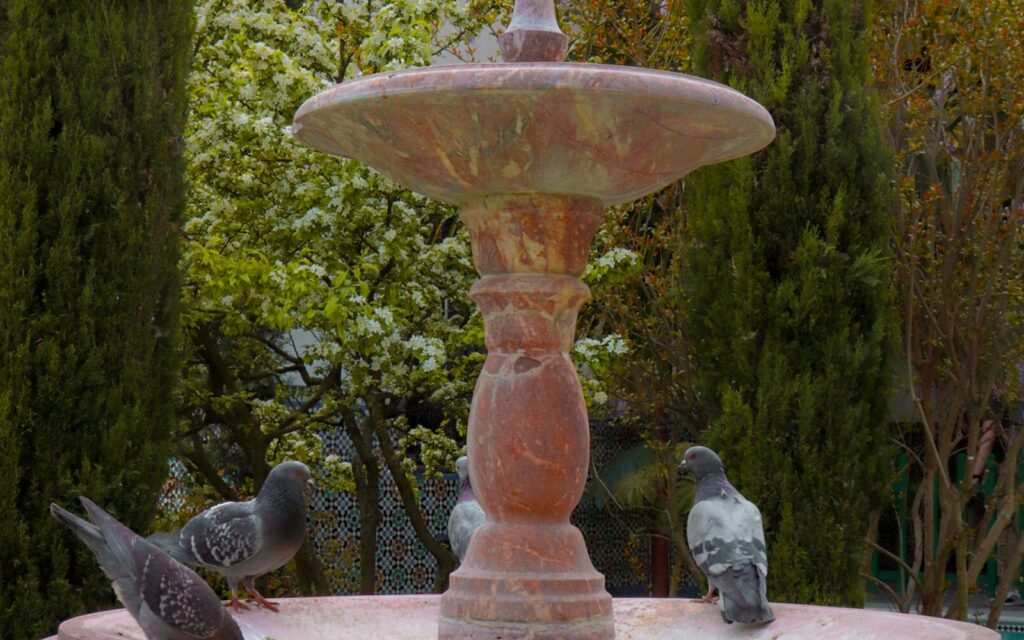
A garden feels finished when it has structure, and structure does not have to be expensive. A few well placed features make all the difference.
A focal point
Give the eye somewhere to land. This could be a large pot, a bird bath, a bench at the end of a path or a single small tree such as an amelanchier or crab apple. One strong focal point looks far more considered than lots of small ornaments.
Repeat plants
Repetition is a designer’s trick that costs nothing. Instead of buying one of everything, choose a handful of reliable plants and repeat them along a border. Clipped balls of box alternatives such as Ilex crenata, clumps of lavender or drifts of grasses create rhythm and make a small budget look generous.
Vertical interest
A homemade obelisk of hazel or bamboo canes, covered in sweet peas or runner beans, adds height for almost nothing. Climbers like honeysuckle, clematis and jasmine soften fences and make a garden feel lush without using up valuable ground space.
Refresh What You Already Have
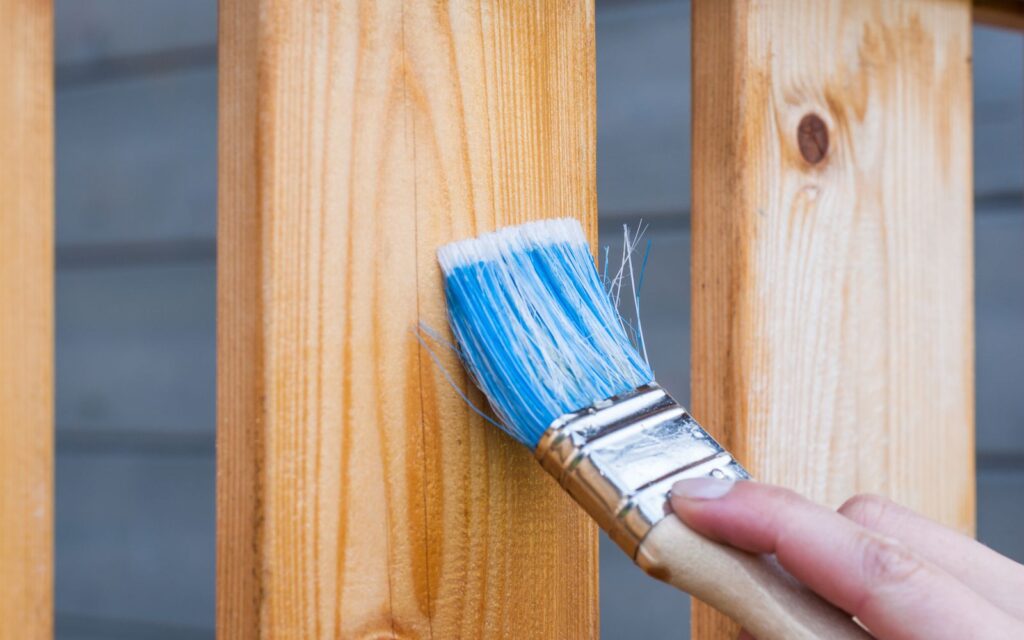
Before replacing anything, see what can be revived. A tired fence can be transformed with a coat of exterior paint in a soft green, charcoal or warm neutral. Patios can be pressure washed and re-pointed. Old garden furniture can be sanded, oiled or painted to look new again.
Lawns that look patchy often only need scarifying, aerating and overseeding in early autumn, which costs far less than laying new turf.
Choose Low Cost Lighting and Accessories
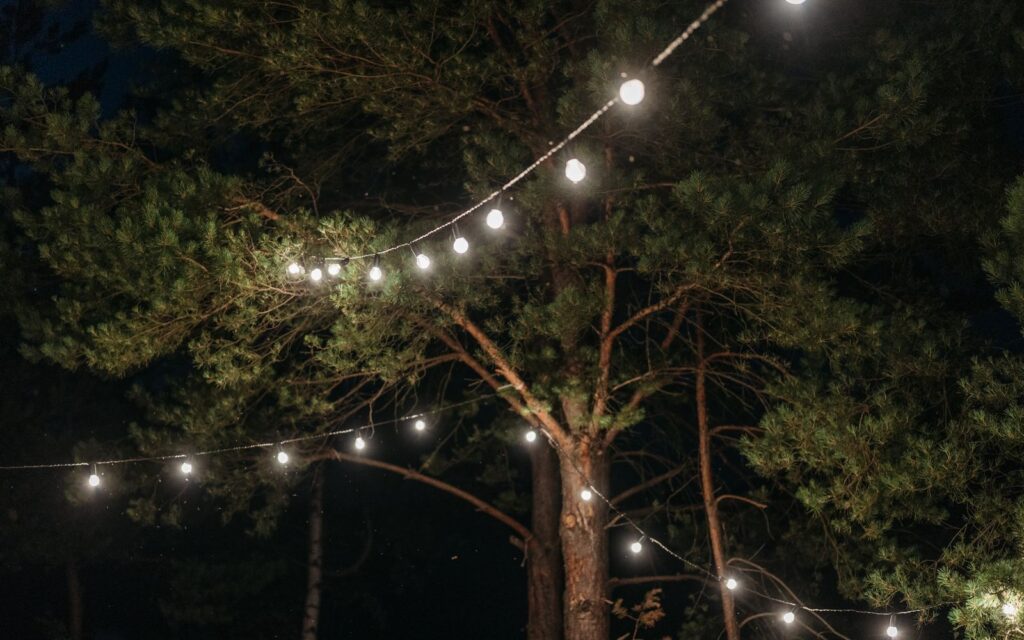
Solar fairy lights, festoon lights and lanterns add instant atmosphere and cost nothing to run. Group candles in jam jars on a table for summer evenings. Outdoor cushions and throws in a cohesive colour palette make even a simple bench feel inviting.
Keep accessories to a minimum and choose a consistent style. A garden filled with mismatched ornaments can look cluttered, while a few carefully chosen pieces feel intentional and calm.
Save Money on Water and Maintenance
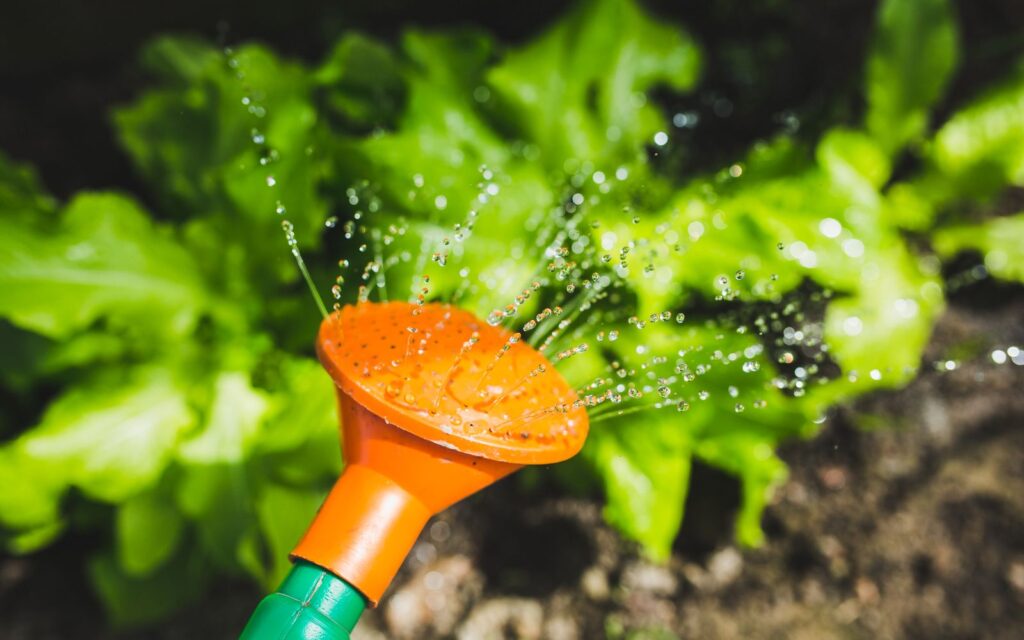
Ongoing costs matter as much as setup costs. Install a water butt connected to a downpipe to collect free rainwater, which plants actually prefer to tap water. Mulch borders each spring with compost or bark to lock in moisture and suppress weeds, which reduces both watering and weeding.
Choose plants suited to your conditions. Drought tolerant plants for sunny spots and shade lovers for dark corners will thrive with less effort and fewer replacements. Right plant, right place is the most cost effective rule in gardening.
Budget Garden Checklist
- Observe the garden for a few weeks before buying anything
- Sketch a simple plan and work in phases
- Make compost and leaf mould for free soil improvement
- Grow from seed and take cuttings
- Join plant swaps and ask friends for divisions
- Use reclaimed bricks, scaffold boards and free bark chippings
- Create one strong focal point and repeat key plants
- Refresh fences, patios and furniture before replacing them
- Install a water butt and mulch every spring
Final Thoughts
Creating a beautiful garden on a budget is less about what you spend and more about how you spend it. With good planning, a little patience and a resourceful eye, you can build a garden full of colour, texture and life that feels entirely your own. Start small, grow what you can and let the garden develop season by season. Some of the best moments in gardening come from watching a packet of seeds or a tiny cutting grow into something wonderful.