
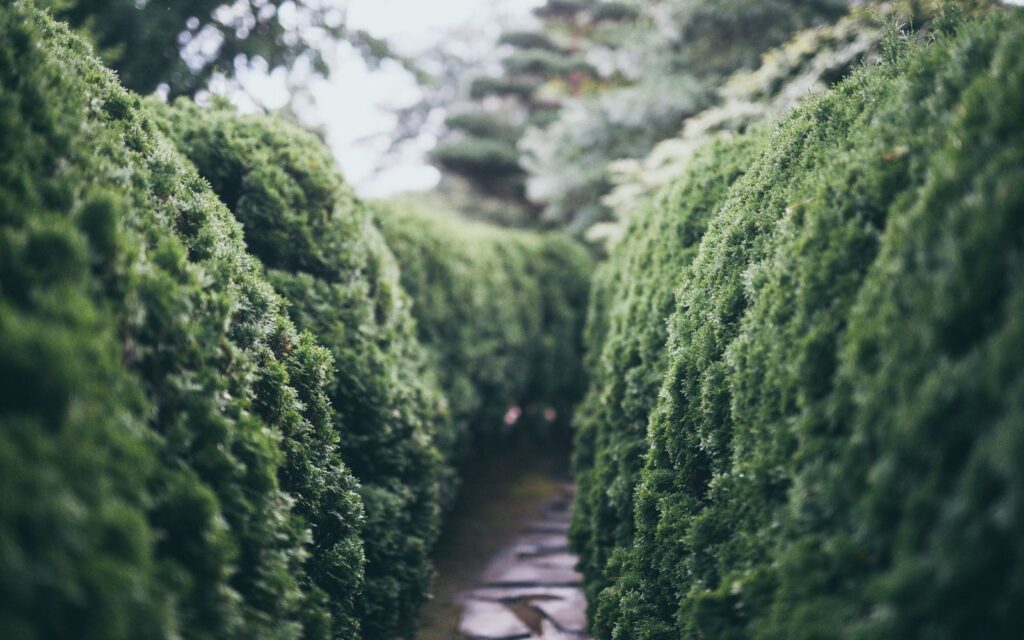
Privacy is one of the most common wishes for any garden, particularly in towns and on new build estates where gardens are close together and overlooked by upstairs windows. The obvious answer is a taller fence, but fences are not always possible or desirable. Planning rules usually limit boundary fences to 2 metres in height, tenancy agreements may not allow them, and a wall of panels can make a garden feel boxed in.
The good news is that there are many attractive ways to make your garden more private without installing fences. Many of them also add beauty, wildlife value and a sense of calm.
Plant a Living Hedge
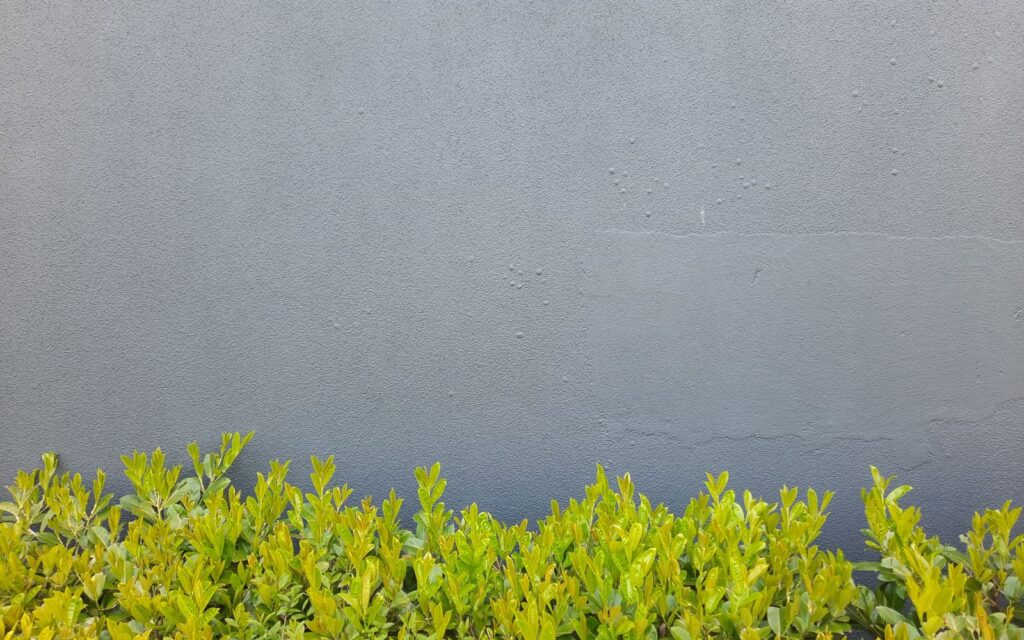
A hedge is the classic alternative to a fence. It softens boundaries, filters wind rather than blocking it, and provides food and shelter for birds and insects. Hedges are also not subject to the same height restrictions as fences, although it is good practice to keep them at a neighbourly height.
Popular hedging plants for UK gardens include:
- Yew, slow growing but dense and long lived, ideal for a formal look
- Beech and hornbeam, which hold their brown leaves through winter for year round screening
- Portuguese laurel, a glossy evergreen that grows quickly and tolerates most soils
- Privet, fast growing and easy to clip
- Native mixed hedging of hawthorn, hazel, field maple and dog rose, perfect for wildlife
For instant results, look at ready hedging, which is grown in troughs or root balls and can be planted at 1.5 metres or more.
Use Pleached Trees
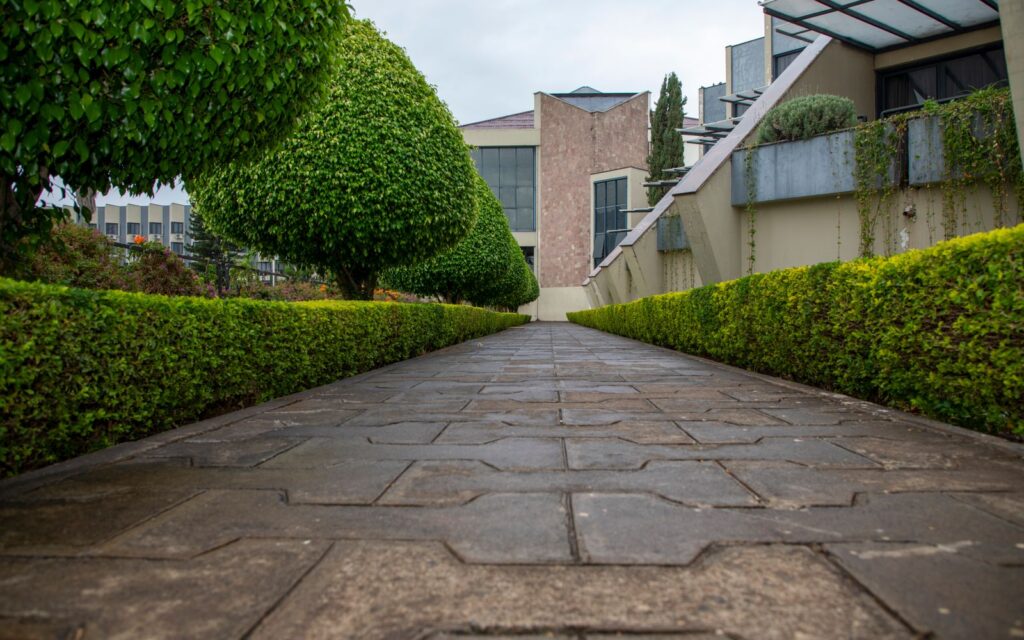
Pleached trees are trained with a clear stem and a flat, rectangular canopy on top, like a hedge on stilts. They are perfect for screening the view from neighbouring upstairs windows while leaving the space below open for planting. Hornbeam, lime and photinia are commonly used. Because the screening starts above existing fence or wall height, they add privacy exactly where it is needed.
Plant Multi-Stemmed Trees
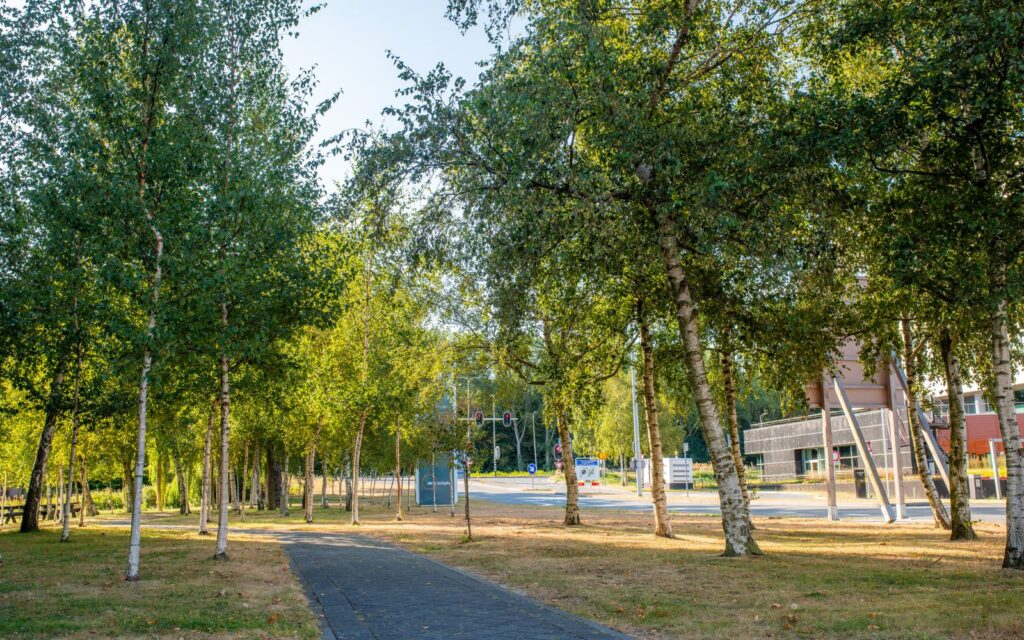
A single well placed tree can block an overlooking window more effectively than an entire run of fencing. Multi-stemmed trees such as amelanchier, birch and Acer griseum have a light, airy canopy that provides screening without heavy shade. Position the tree close to your seating area rather than at the boundary, as a screen near you blocks a far wider angle of view.
Grow Climbers on Trellis and Wires
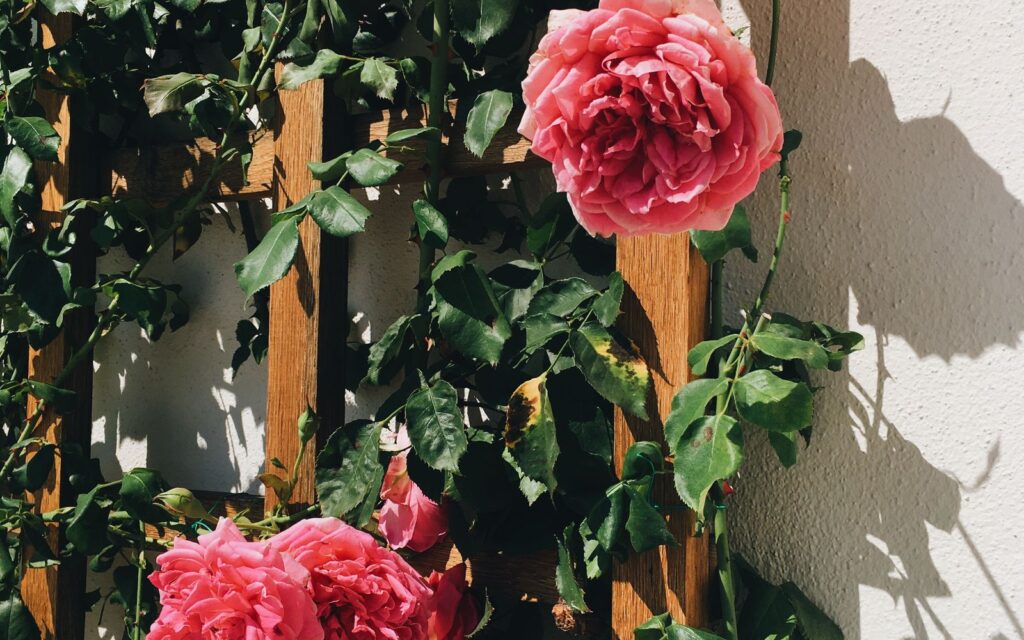
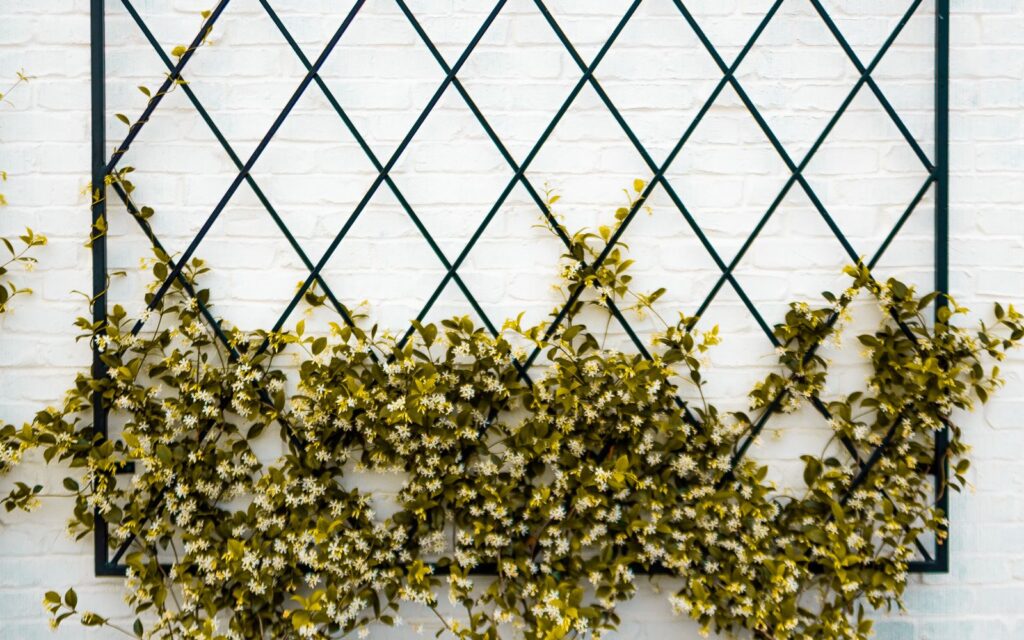
Freestanding trellis panels or wires fixed to an existing wall give climbers something to scramble up, creating a green screen. Trellis on top of a wall can raise the height of the screen, though check local planning rules if you are adding to a boundary. Good climbers for privacy include:
- Star jasmine for evergreen, scented coverage
- Evergreen clematis such as Clematis armandii
- Honeysuckle for fragrance and wildlife
- Climbing roses for summer romance
- Ivy for tough, year round cover on walls
Create Screens With Tall Grasses and Bamboo
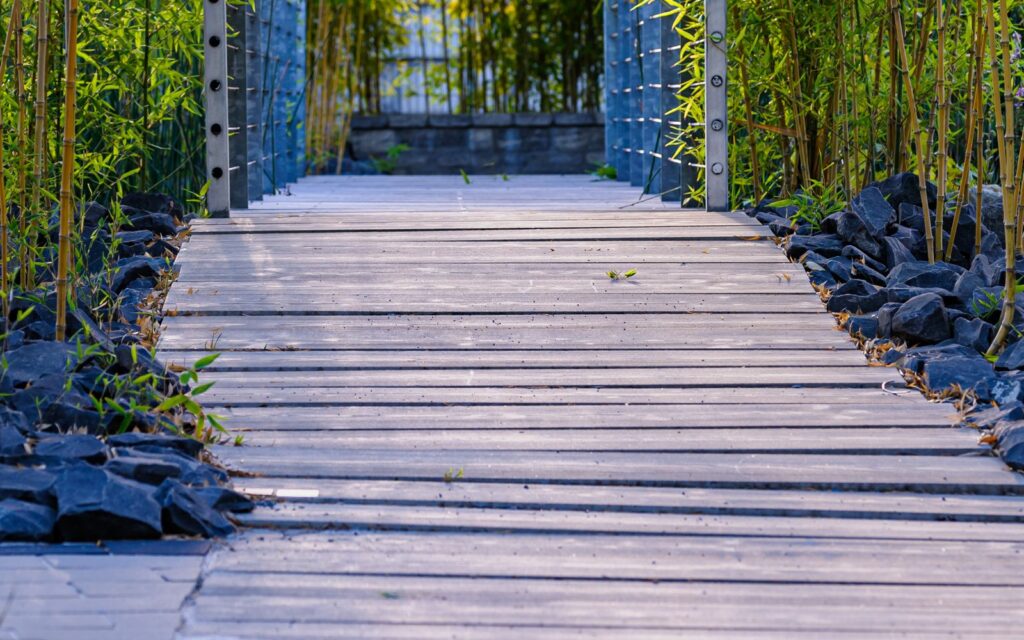
Tall ornamental grasses such as Miscanthus, Calamagrostis and Panicum make soft, swaying screens that rustle in the breeze. They grow quickly each year and provide privacy from midsummer through winter until they are cut back in late February.
Bamboo is excellent for fast, evergreen screening, but choose clump forming varieties such as Fargesia. Running bamboos can spread aggressively and should be planted only in containers or with a root barrier.
Build a Pergola or Garden Structure
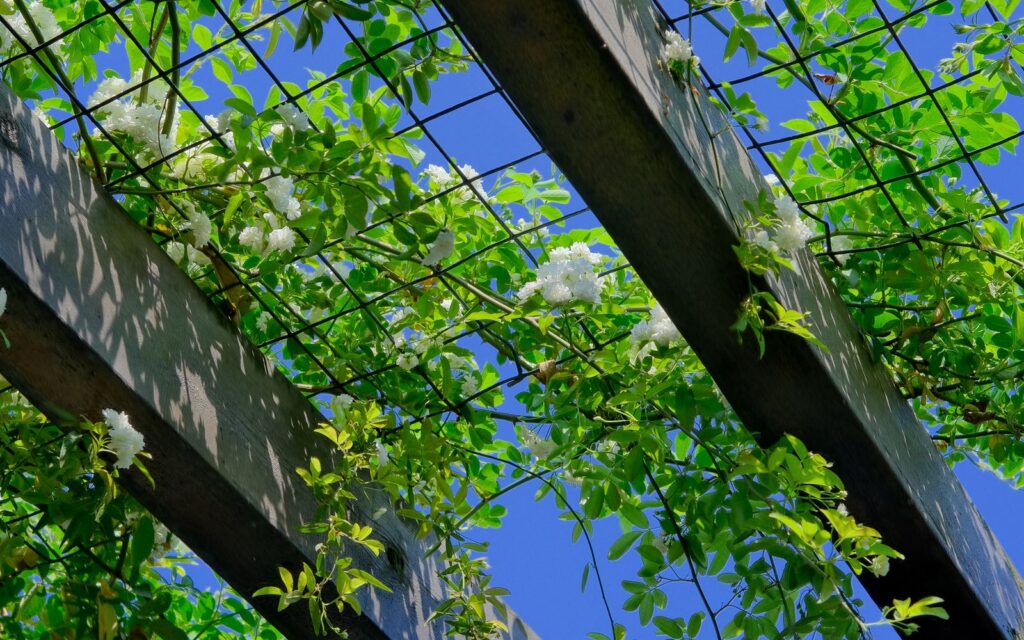
A pergola creates an overhead canopy that hides you from neighbouring upstairs windows, which fences cannot do. Grow climbers over the top, add slatted side panels or hang outdoor curtains to create a private, room-like space. Gazebos, pavilions and arbours work in a similar way, giving you a sheltered retreat that feels tucked away.
Add Outdoor Curtains and Shade Sails
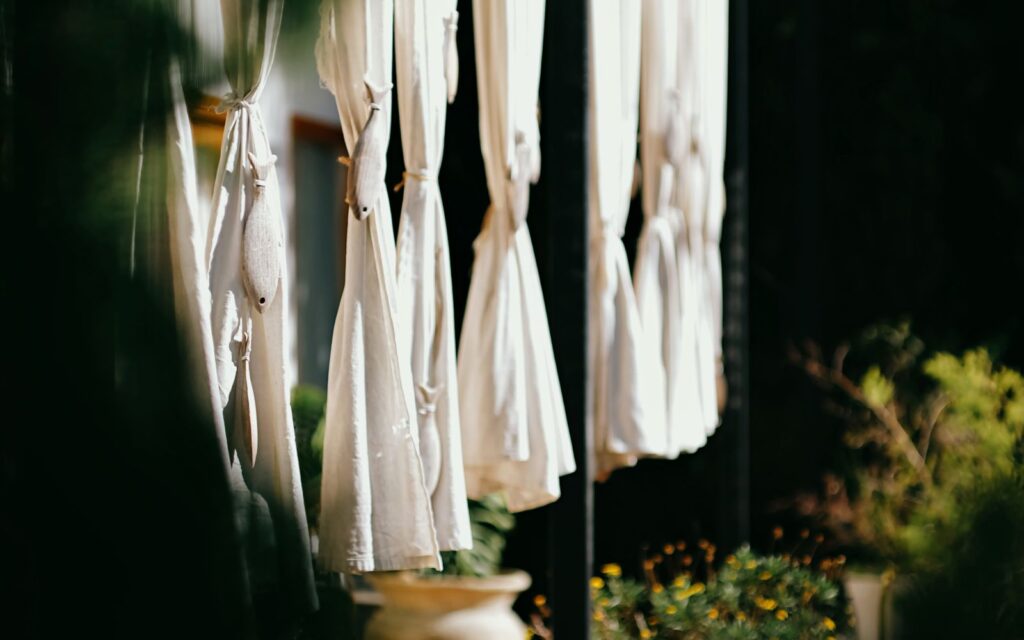
For a flexible, low cost option, outdoor curtains hung from a pergola, a wire or a simple frame can be drawn when you want privacy and opened when you do not. Shade sails stretched between posts or walls block views from above and provide shelter from the sun. Both are ideal for renters, as they can be taken down easily.
Use Large Planters as Movable Screens
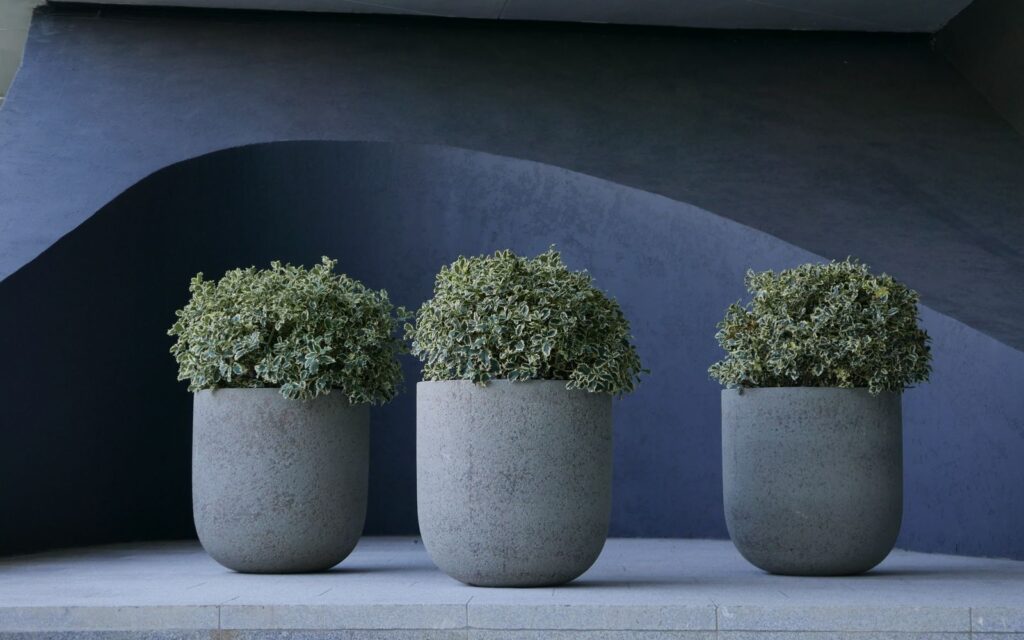
Tall troughs planted with bamboo, grasses, olive trees or clipped evergreens make movable screens that can be repositioned as needed. They are ideal for balconies, roof terraces and patios where planting in the ground is not possible. Choose planters at least 40cm deep so the plants have room to grow.
Install Slatted Screens and Room Dividers
Freestanding slatted timber screens, metal panels with decorative cut out patterns or woven willow hurdles can be placed within the garden rather than on the boundary. Using them to wrap around a seating area creates an intimate zone while leaving the rest of the garden open. They can also hide bins, compost heaps and other less attractive areas.
Layer Your Planting
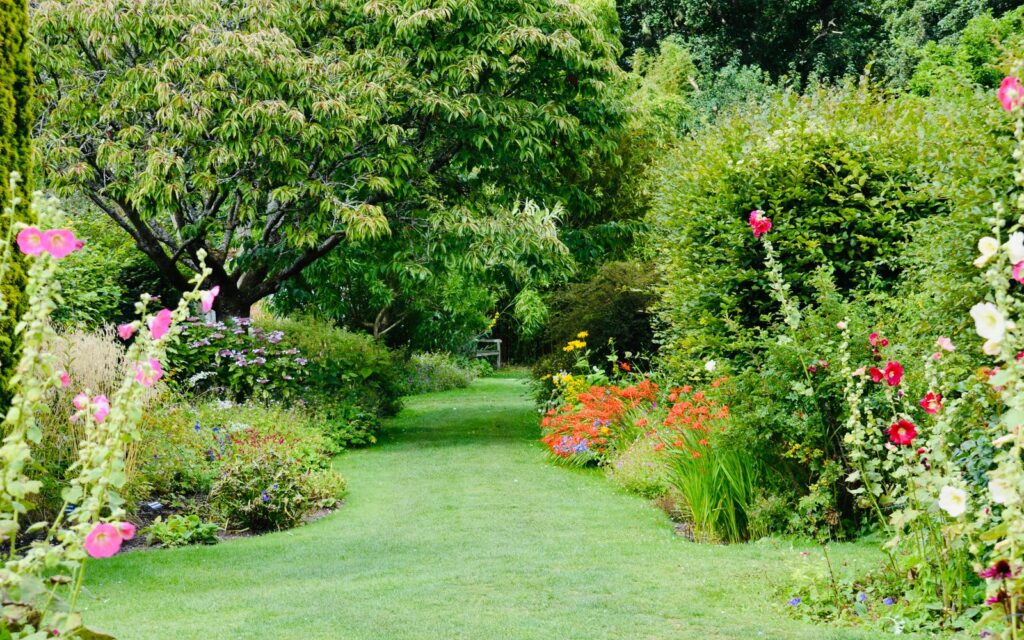
Layered borders that build up from low ground cover to medium shrubs and tall plants at the back create a dense, natural screen. Mixing evergreens with deciduous plants ensures privacy through winter while still giving seasonal change. This approach makes boundaries disappear and creates a lush, enclosed feel.
Use Sound to Create a Sense of Privacy
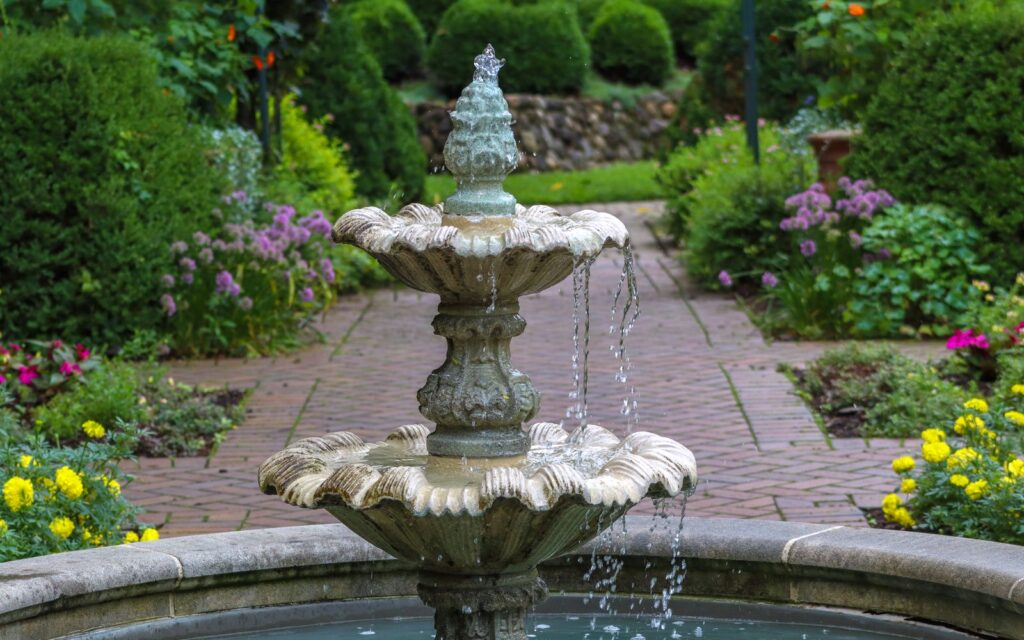
Privacy is not only visual. Overheard conversations and street noise can make a garden feel exposed. A water feature, wind chimes or rustling grasses help mask sound and make your garden feel more secluded. Even a small wall fountain can make a noticeable difference.
Think About Where You Sit
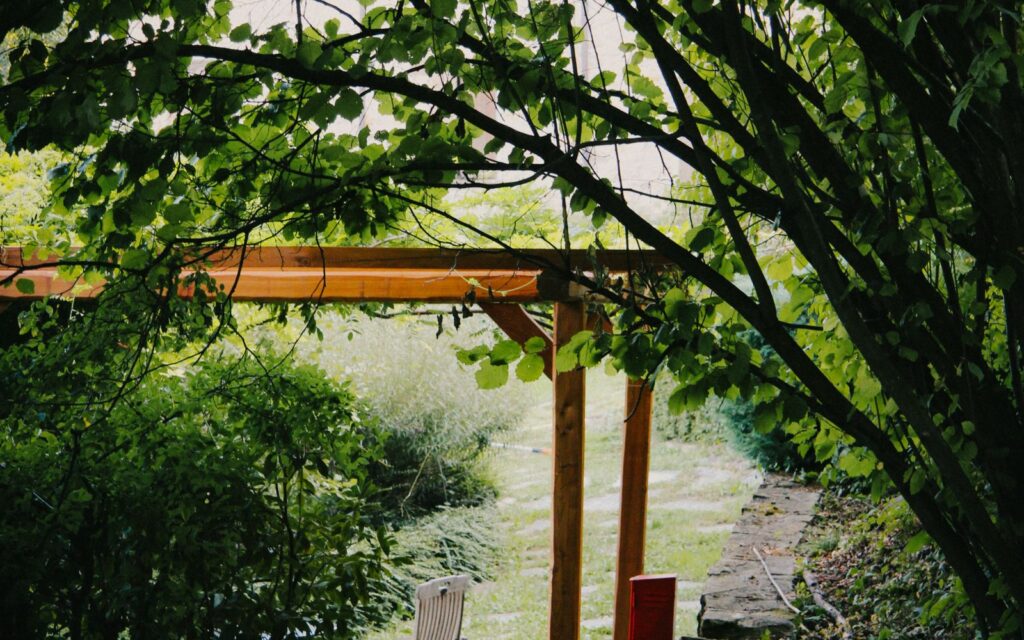
Sometimes the simplest solution is to move your seating. A patio right against the house is often the most overlooked spot in the garden. Creating a second seating area further down the garden, nestled among planting or under a tree, may give you all the privacy you need without any construction at all.
A Note on Neighbours and Planning
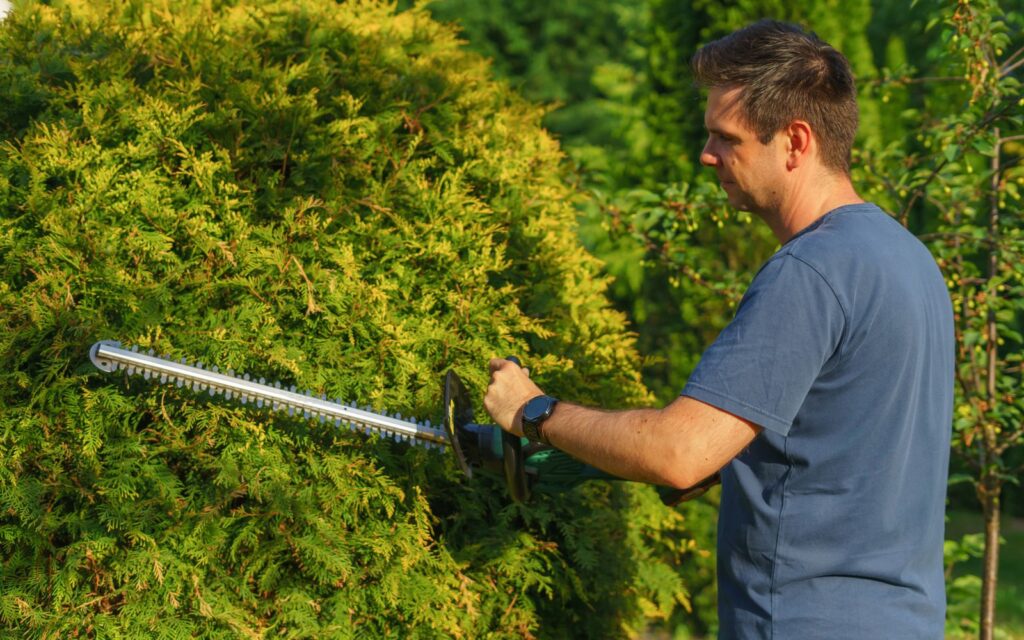
Keep relations friendly by talking to neighbours before planting anything large near the boundary. Fast growing conifers such as Leylandii can cause disputes if left unchecked, and the law allows councils to act on high hedges that block light. Choose plants whose mature size suits your space, and keep them trimmed.
Final Thoughts
Creating privacy without fences often results in a more beautiful garden. Hedges, trees, climbers, grasses and garden structures not only screen views but also add texture, colour, scent and wildlife. By combining a few of these ideas, you can create a peaceful, secluded garden that feels like your own private retreat.