
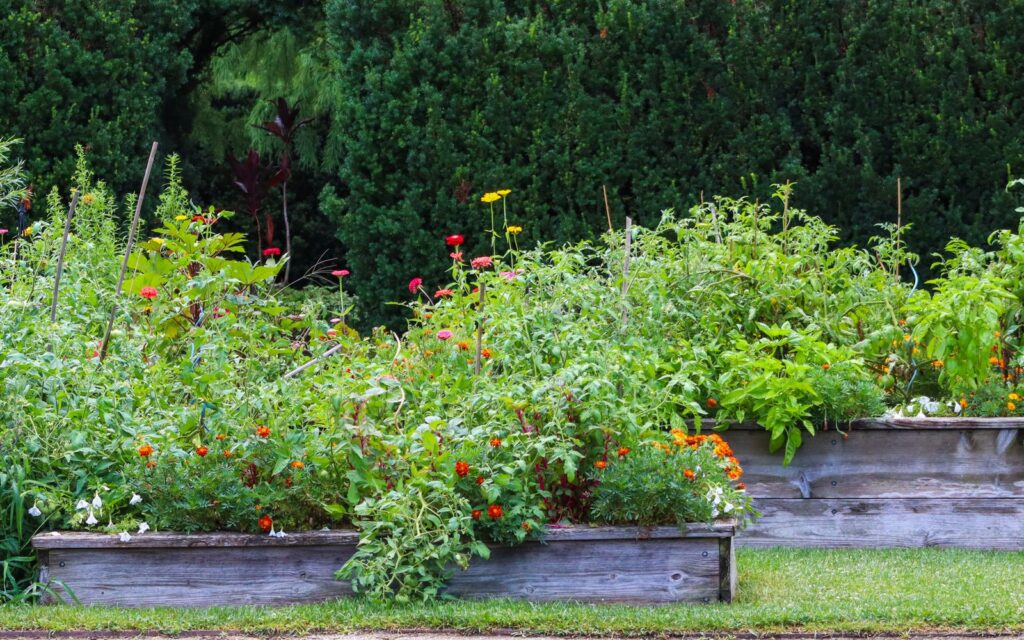
Raised beds are one of the best ways to grow vegetables at home. They warm up faster in spring, drain well in wet British winters, keep paths tidy and make it easier to control weeds and soil quality. They are also kinder on the back and knees, which makes gardening more enjoyable for everyone.
Whether you have a large plot or a small patio, here are 12 raised garden bed ideas for growing vegetables, along with practical tips to help you get the most from them.
1. Classic Timber Sleeper Beds
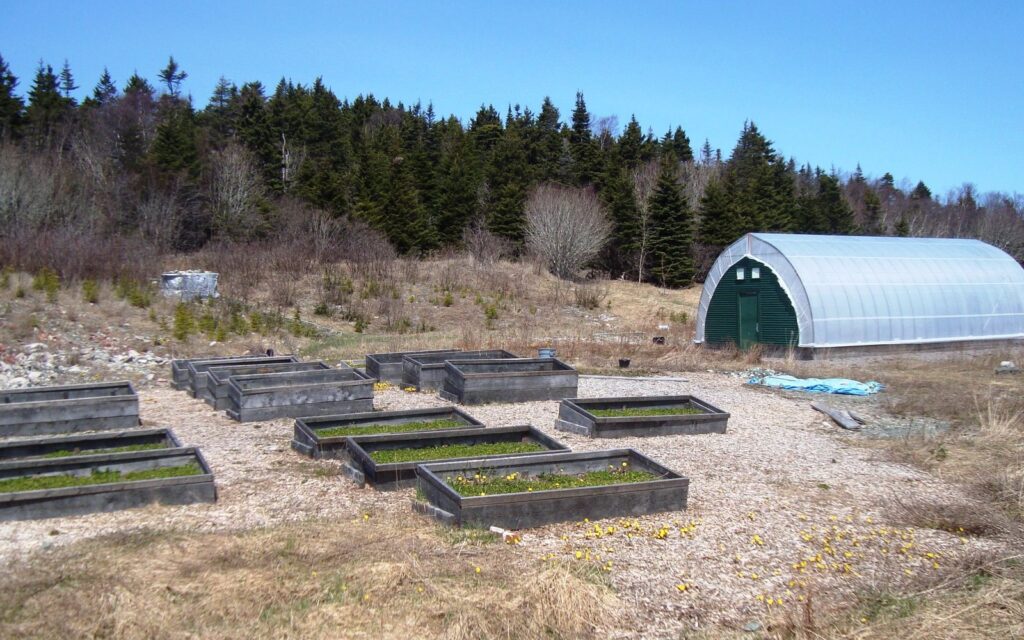
Timber sleepers are a popular choice for good reason. They are sturdy, easy to stack and create a solid, rustic look. Use new, untreated or responsibly treated sleepers rather than old railway sleepers, which can contain creosote. Two or three sleepers high gives a good depth for most vegetables.
2. Scaffold Board Beds on a Budget
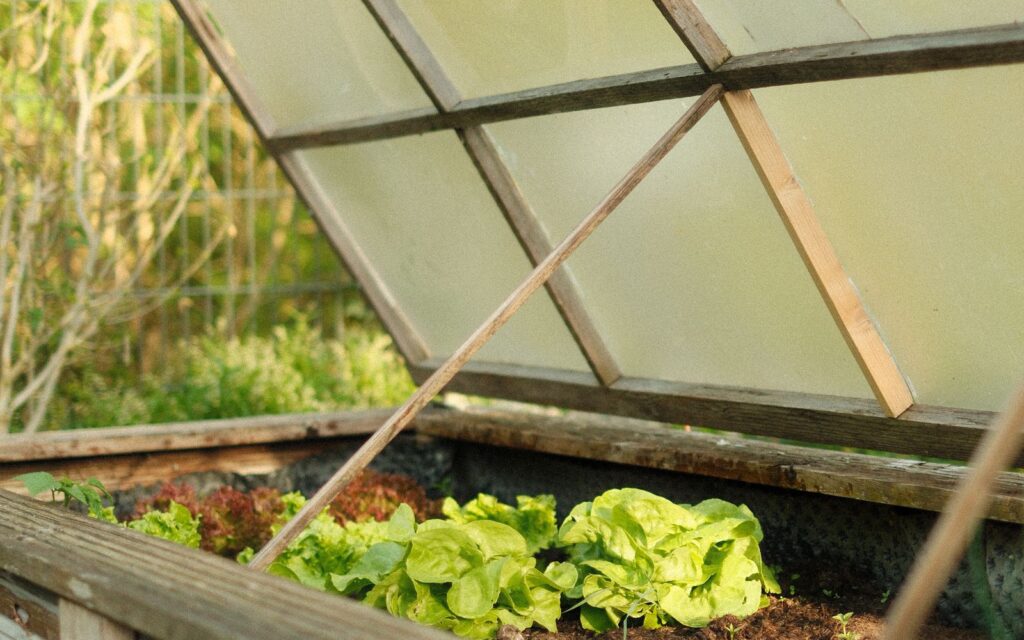
Reclaimed scaffold boards are affordable, chunky and easy to cut. Screw them to corner posts to build beds of any size. They have an attractive, weathered character and are often available cheaply from local scaffolding firms or reclamation yards.
3. Galvanised Metal Beds
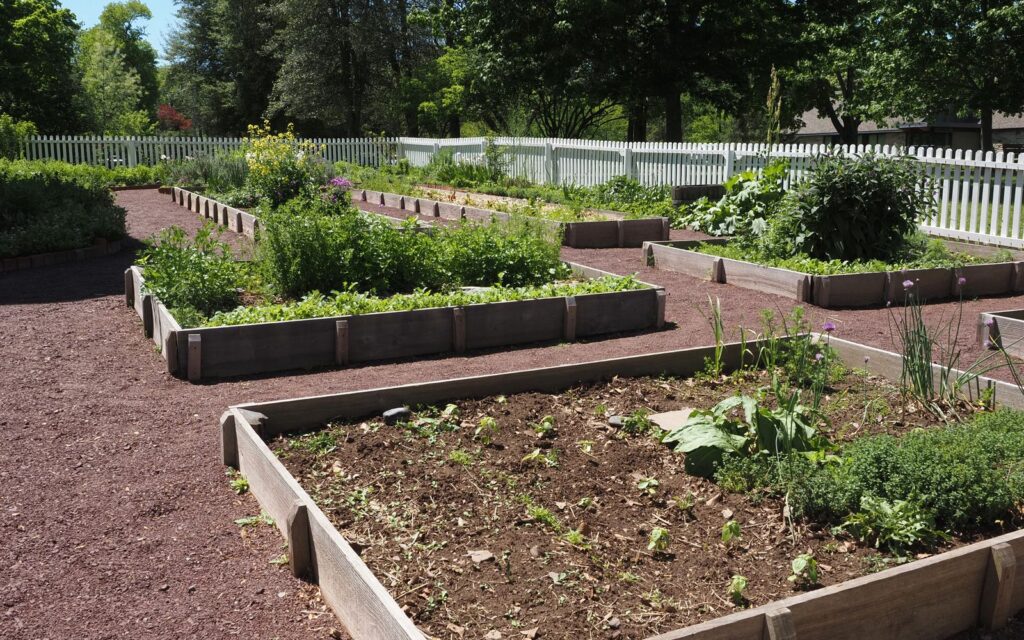
Corrugated galvanised steel raised beds are lightweight, long-lasting and have a smart, modern look. They come in kit form and are easy to assemble. Metal beds warm up quickly in spring, which helps early crops get going, although they may need extra watering in hot spells.
4. Tall Waist-High Beds
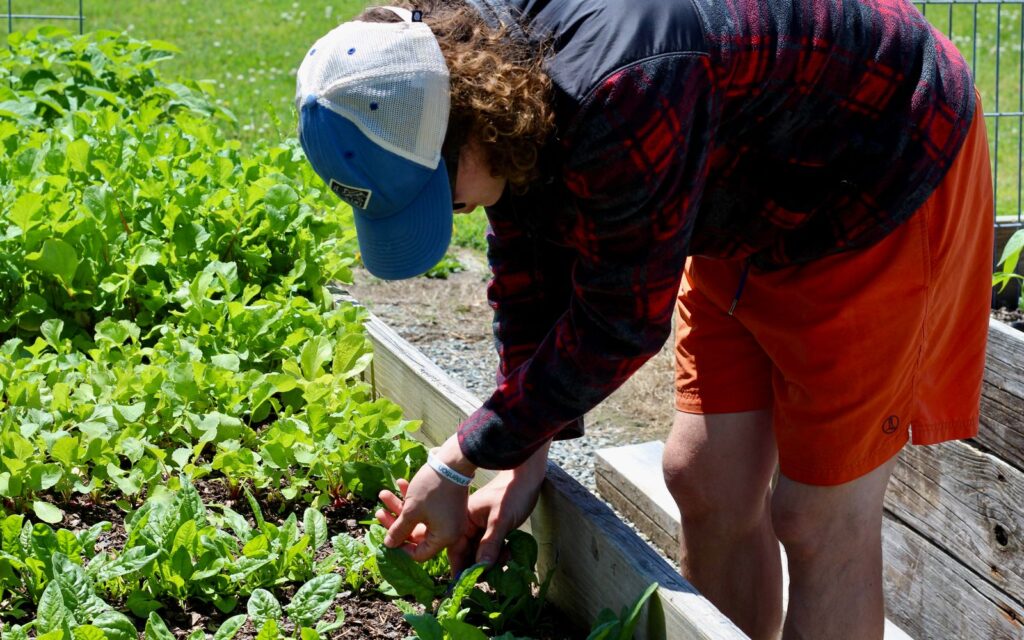
Waist-high raised beds, often around 75 to 90cm tall, are ideal for anyone with limited mobility or a bad back. They bring the crops up to a comfortable working height, so there is no bending required. To save on soil, fill the bottom third with logs, branches and garden prunings in the style of hugelkultur before topping with compost.
5. Keyhole Garden Beds
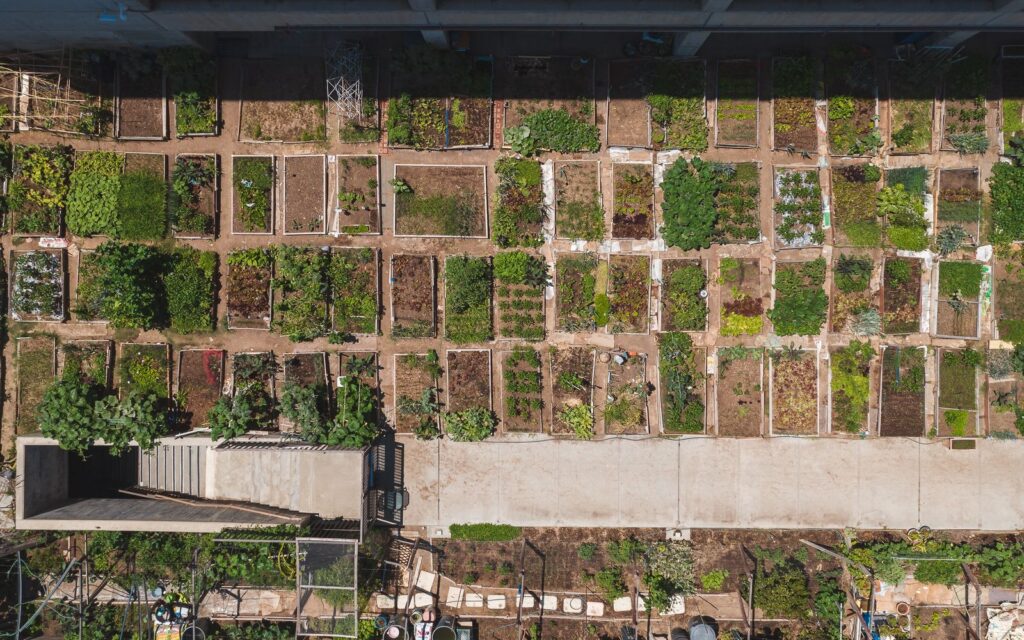
A keyhole bed is a circular raised bed with a wedge cut out so you can reach the centre. A compost basket sits in the middle, feeding the surrounding soil as kitchen scraps break down. It is an efficient, eye-catching design that makes every part of the bed easy to reach.
6. Woven Willow or Hazel Beds
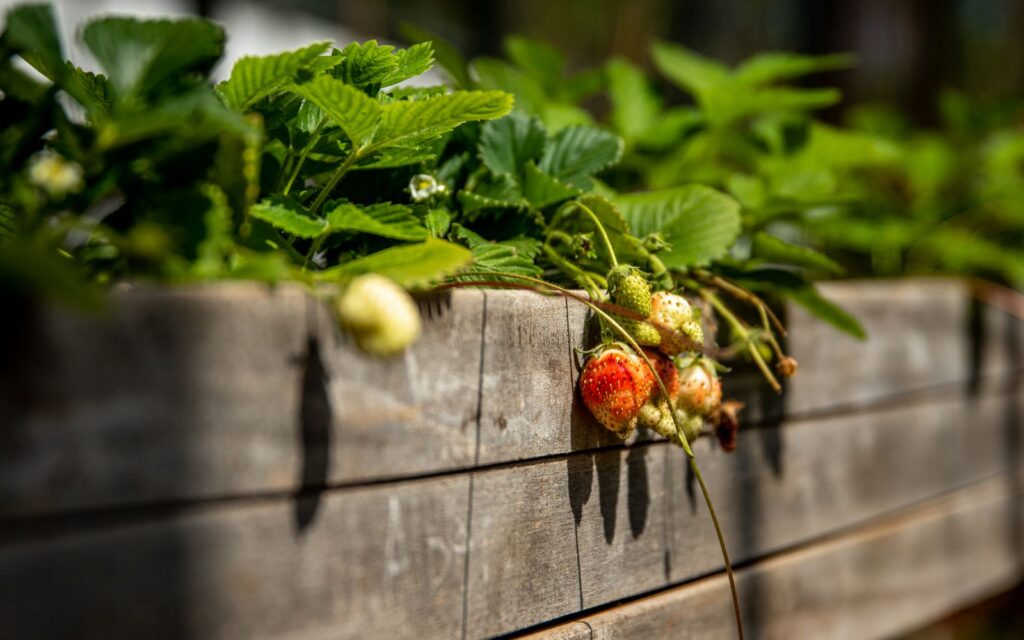
For a natural, cottage garden feel, woven willow or hazel edging creates beautiful low raised beds. They work best for shallow beds of salad, herbs and strawberries. Line the inside with hessian or a breathable membrane to help the weave last longer.
7. Brick or Stone Raised Beds
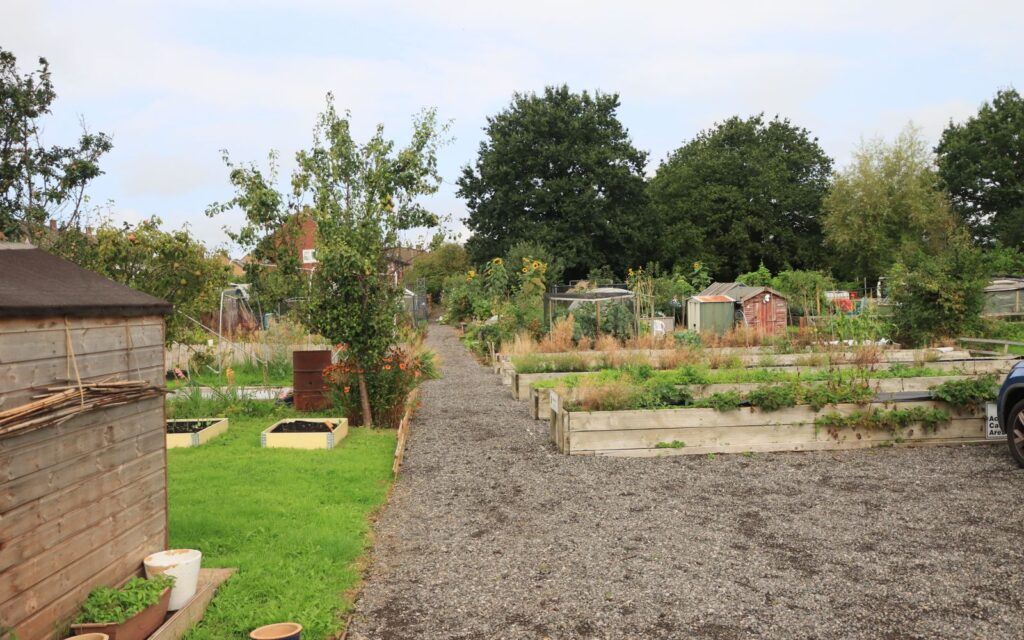
Brick and stone beds are permanent, elegant and long-lasting. They suit traditional and period homes and can be finished with a wide coping to create a handy seat. While more expensive to build, they will last for decades with almost no maintenance.
8. Raised Beds With Built-In Supports
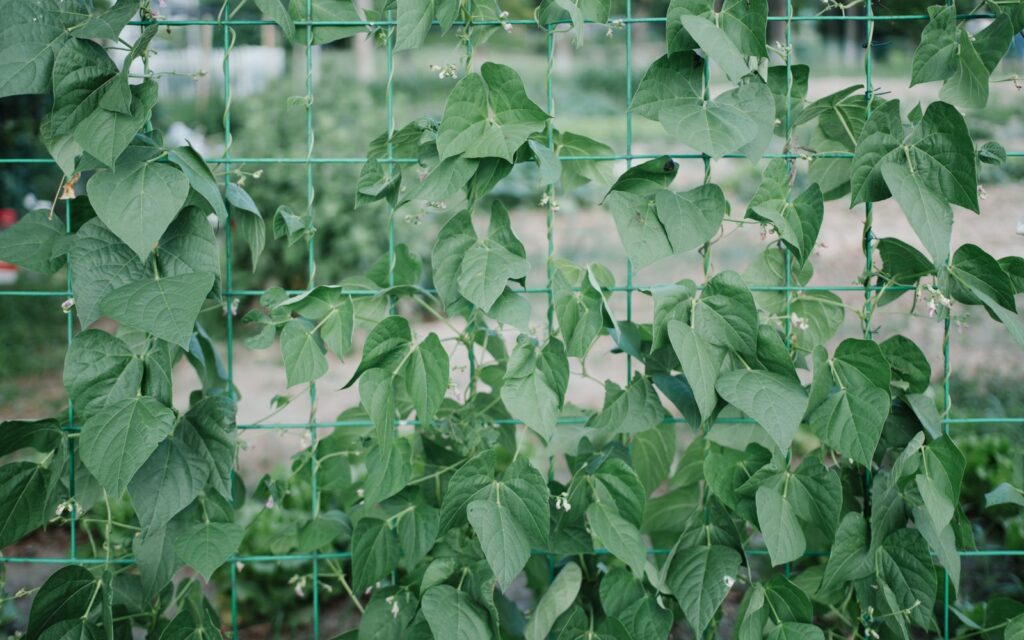
Climbing crops such as runner beans, climbing French beans, peas, cucumbers and squash need support. Fix trellis, arches or hazel poles to the back of a raised bed, or build an arch between two beds to create a tunnel of beans in summer. Growing up rather than out makes the most of limited space.
9. Covered Beds With Hoops
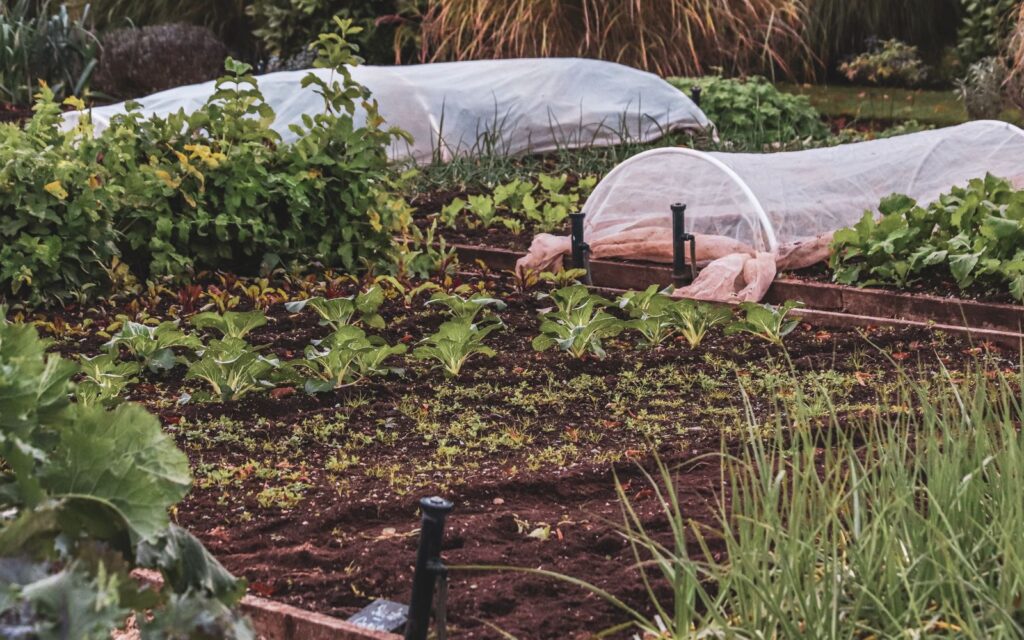
Fitting hoops over a raised bed lets you add netting, fleece or polythene as the seasons change. Netting keeps pigeons off brassicas and stops cabbage white butterflies laying eggs, while fleece protects early sowings from frost. A cloche cover extends the season at both ends of the year.
10. Narrow Beds for Small Gardens
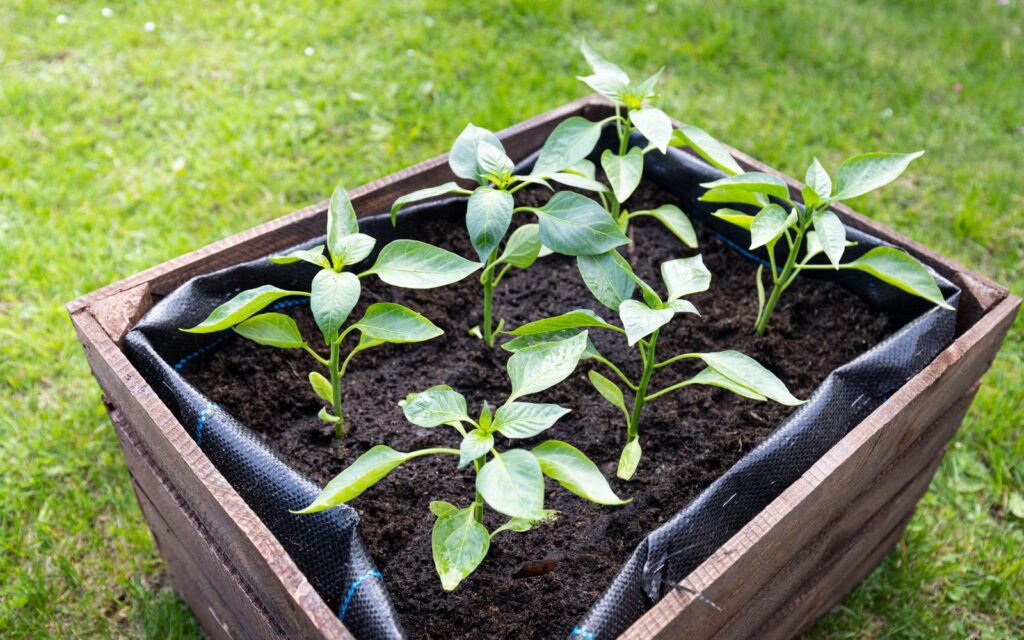
If space is tight, a long, narrow raised bed along a sunny fence or wall can be surprisingly productive. A bed just 40 to 60cm wide is perfect for salad leaves, herbs, radishes, spring onions and dwarf beans. Pair it with trellis on the fence for climbing crops.
11. Tiered or Stepped Beds
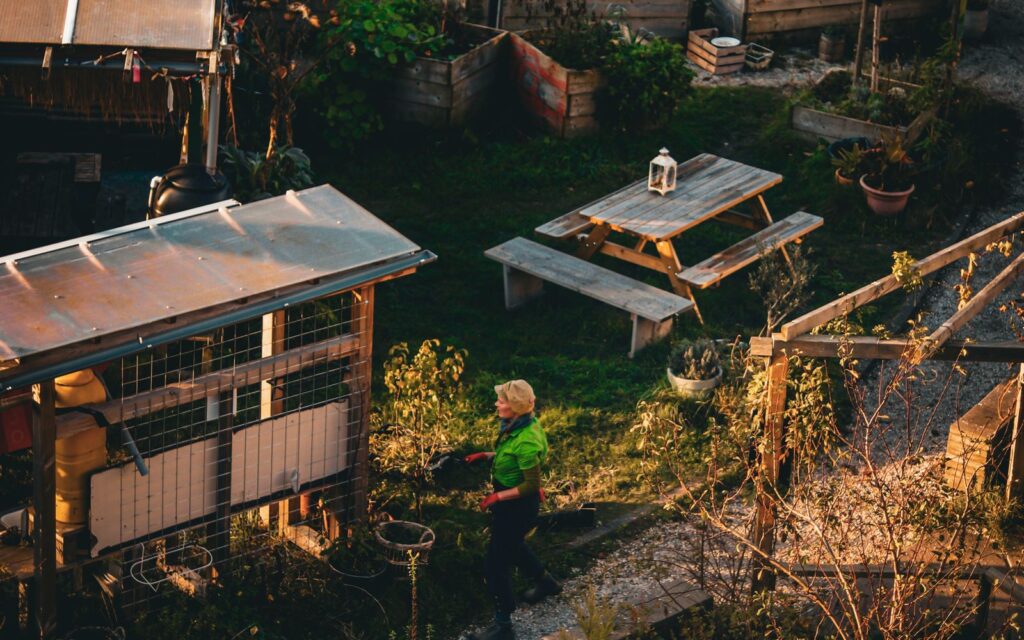
Tiered raised beds stack growing levels on top of each other, creating more planting space in a small footprint. They work well on sloping gardens and patios. Plant taller crops at the back and trailing or compact crops at the front so everything gets enough light.
12. Square Foot Garden Beds
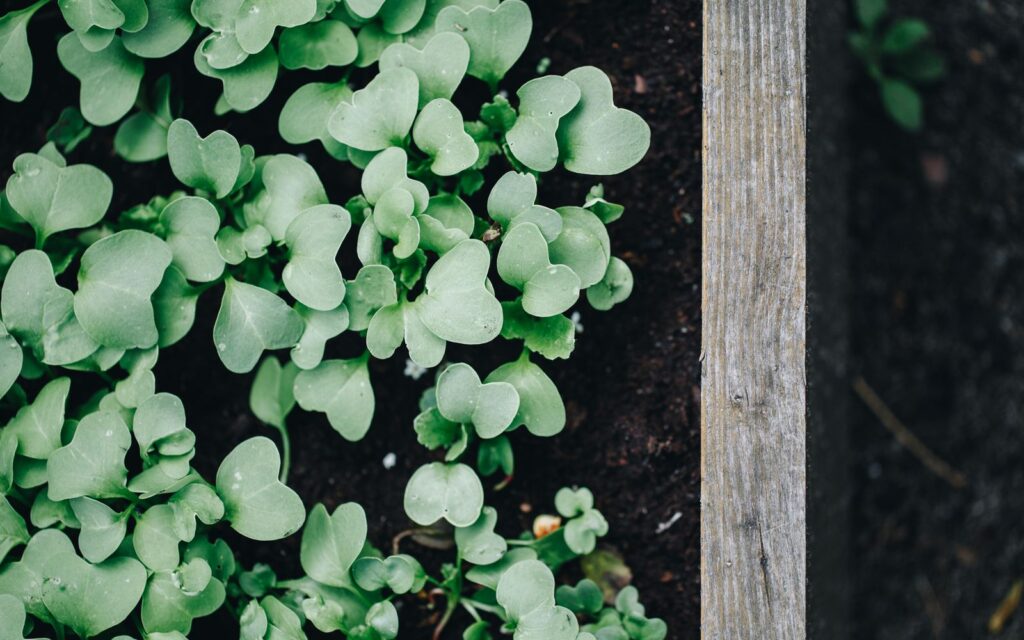
Square foot gardening divides a raised bed into a grid of 30cm squares, each planted with a specific number of plants depending on their size. For example, one tomato, four lettuces, nine onions or sixteen carrots per square. It is a simple, highly efficient way to plan crops and makes succession sowing easy to manage.
How to Fill a Raised Bed
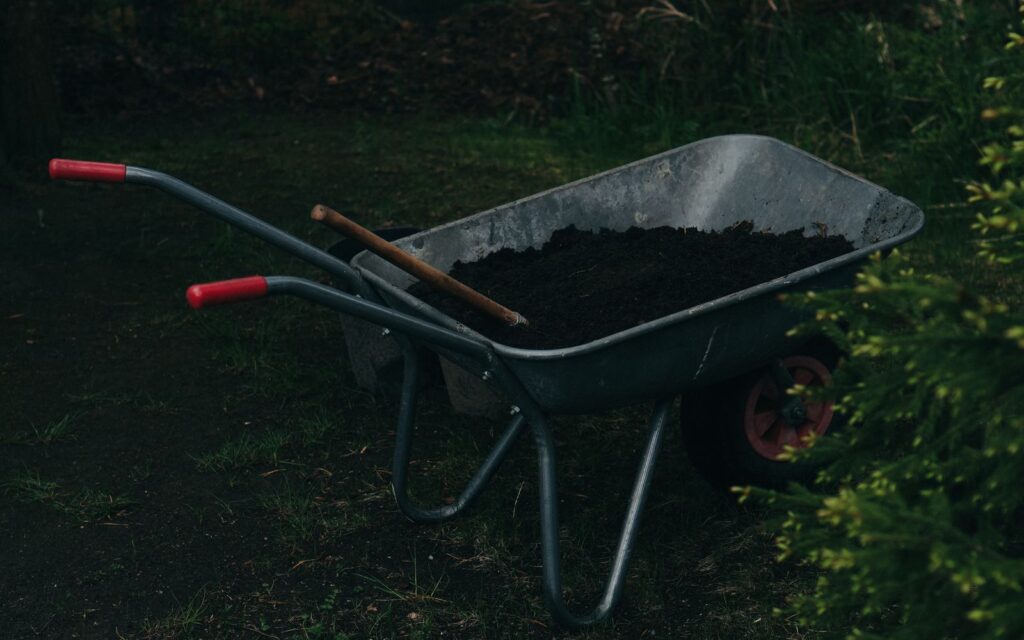
Filling a raised bed can be expensive, so it pays to plan. A good mix is:
- Bottom layer: cardboard to suppress weeds, then branches, twigs and woody prunings in deep beds
- Middle layer: garden compost, well-rotted manure, leaves and grass clippings
- Top layer: at least 20 to 30cm of good-quality topsoil mixed with peat-free compost
Expect the soil to settle in the first season, and top up each year with a layer of compost or well-rotted manure.
Best Vegetables for Raised Beds
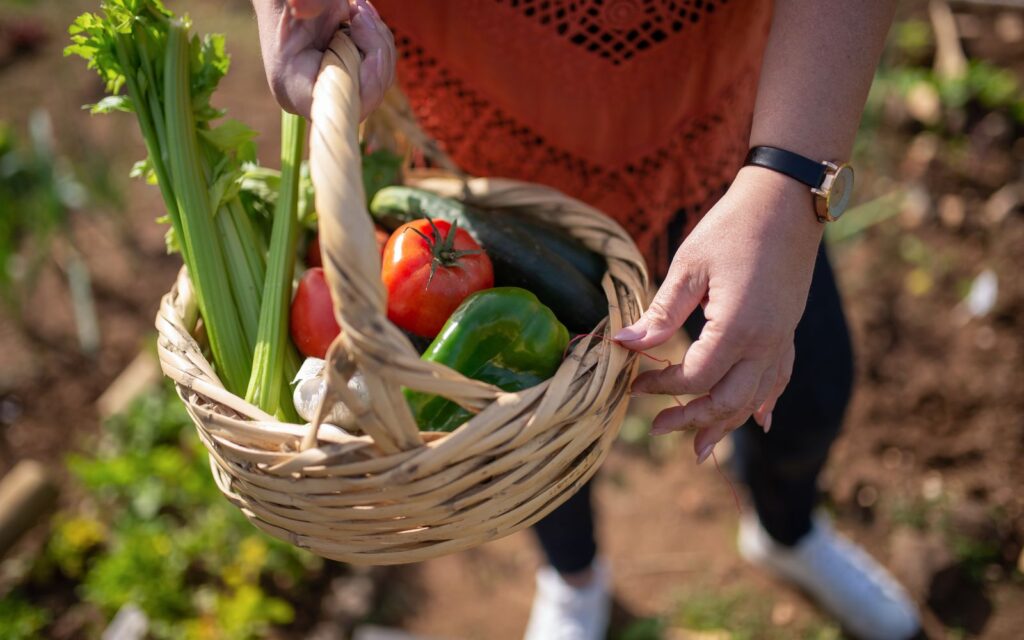
Almost any vegetable can be grown in a raised bed, but these are particularly rewarding for UK gardeners:
- Salad leaves and lettuce for quick, repeated harvests
- Radishes and spring onions, ready in weeks
- Carrots and beetroot, which love the deep, stone-free soil
- Dwarf French beans and runner beans for heavy crops
- Courgettes, which produce generously from just one or two plants
- Kale and chard for harvests through autumn and winter
- Garlic and onions, planted in autumn for summer harvests
- Tomatoes in a sunny, sheltered spot
Practical Tips for Success
- Keep beds no wider than 1.2 metres so you can reach the centre from either side without stepping on the soil.
- Place beds in full sun. Most vegetables need at least six hours of direct sunlight a day.
- Leave wide paths. Allow at least 45 to 60cm between beds, or wider if you need wheelbarrow access.
- Rotate crops. Move plant families around different beds each year to reduce pests and diseases.
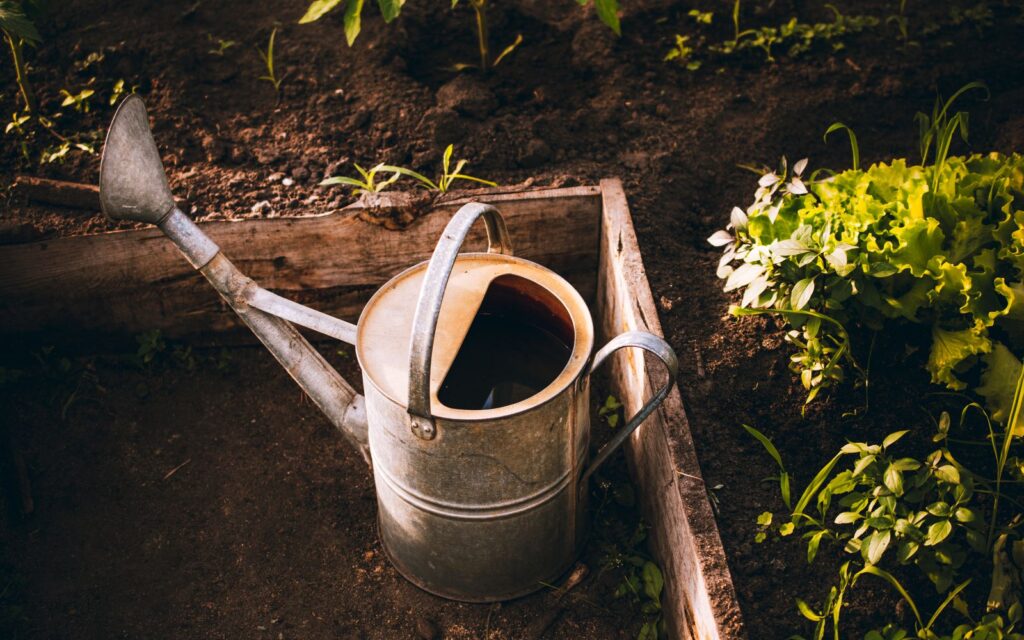
- Water deeply. Raised beds drain quickly, so water thoroughly rather than little and often. A soaker hose or drip irrigation saves time.
- Mulch the surface. A layer of compost or straw helps retain moisture and suppress weeds.
Final Thoughts
Raised beds make growing vegetables simpler, tidier and more productive. Whether you choose rustic sleepers, sleek metal, budget scaffold boards or elegant brick, there is a design to suit every garden and budget. Start with one or two beds, grow the crops you love to eat and expand as your confidence grows. There are few things more satisfying than picking your own fresh vegetables just a few steps from the kitchen door.