
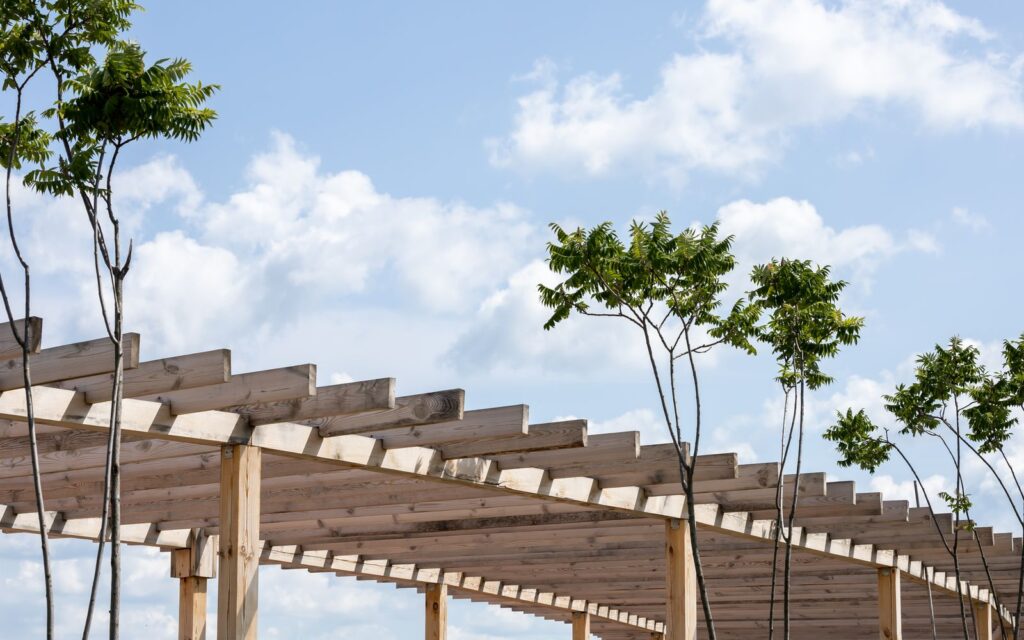
Timber frame kits have become a popular way to add a garden building without the cost and disruption of a full bespoke build. Whether you want a garden office, a summerhouse, a pergola, a pavilion or a covered outdoor kitchen, a kit offers pre-cut, pre-designed components that can be assembled in days rather than months.
But not all kits are created equal. The timber species, joinery, foundations, planning rules and what is actually included in the box all make a big difference to how your building looks and lasts. Here is everything you need to know before buying a timber frame kit for your garden.
What Is a Timber Frame Kit?
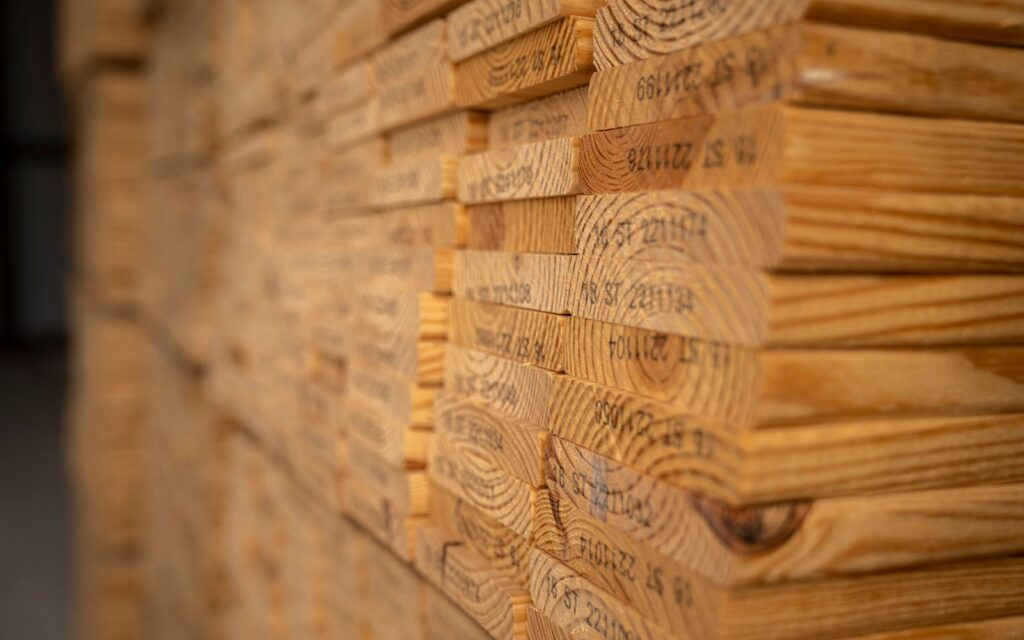
A timber frame kit is a set of pre-cut and usually pre-drilled or pre-jointed timber components designed to be assembled into a structure on site. Each piece is typically numbered and comes with technical drawings and an assembly manual.
Kits range from simple open structures such as pergolas and arbours to roofed pavilions, gazebos and fully enclosed garden rooms. Some are designed for confident DIYers to build over a weekend or two, while larger kits may need a small team or a professional installer.
Decide What You Want the Building to Do
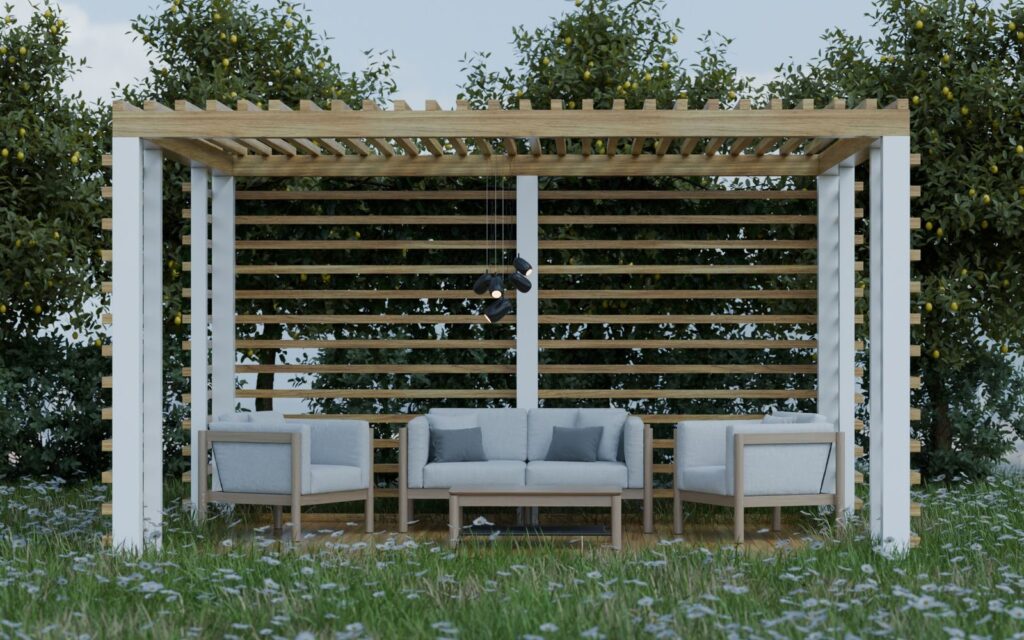
Start with how you will use the space, as this determines the type of kit you need.
- Shade and structure: An open pergola with a slatted or lattice roof gives dappled shade and a frame for climbers.
- Shelter from rain: A pavilion or gazebo with a solid roof deck lets you sit out in wet weather.
- Outdoor dining or kitchen: A roofed structure with space for a table, grill and lighting.
- Year round room: An insulated garden room with walls, windows and doors for an office, studio or gym.
Being clear about the purpose stops you buying a structure that looks beautiful in the brochure but does not suit how you live.
Understand the Timber
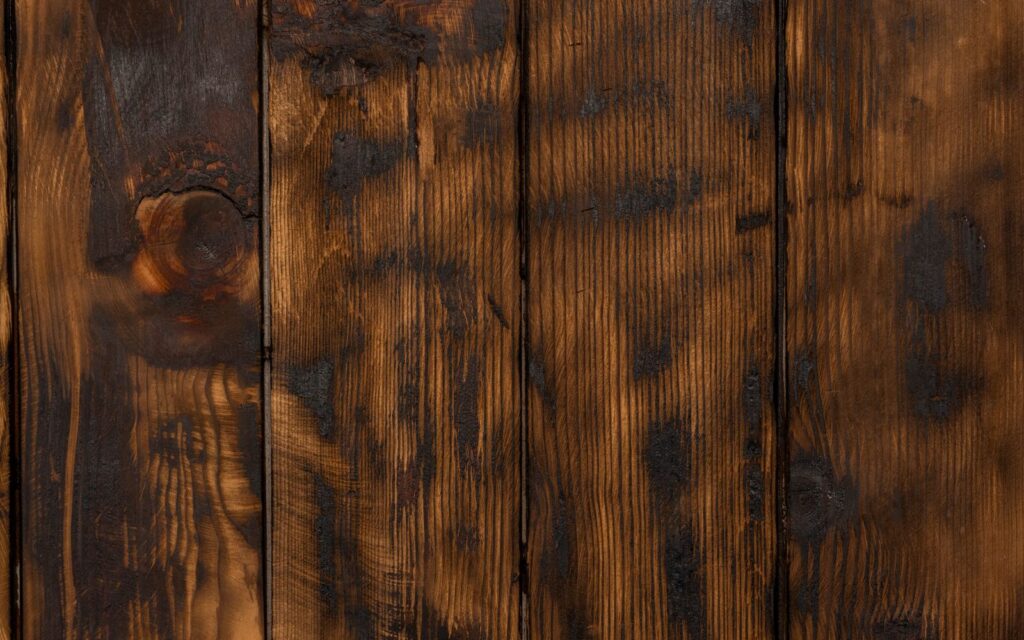
The timber species is one of the most important factors in quality, appearance and lifespan.
- Douglas fir is strong, stable and has an attractive straight grain with warm tones. It is widely used for structural timber framing.
- Oak is extremely durable and characterful, and green oak frames are a traditional British choice, but they are usually more expensive and move noticeably as they dry.
- Larch is naturally durable and weathers to a silvery grey, making it popular for cladding and frames.
- Western red cedar is lightweight, naturally rot resistant and aromatic, often used for cladding and roof shingles.
- Pressure-treated softwood is the most affordable option. It is suitable for simpler structures but tends to look less refined and may need more maintenance.
Look for timber from responsibly managed forests, ideally with FSC or PEFC certification. Check the grade too. Structural grades such as C24 or No. 1 Structural indicate timber that has been assessed for strength.
Expect some natural movement
Solid timber continues to dry and adjust to its surroundings after it is installed. Small surface cracks, known as checks, are normal in large section timber and do not usually affect structural strength. A good supplier will explain this upfront.
Look Closely at the Joinery
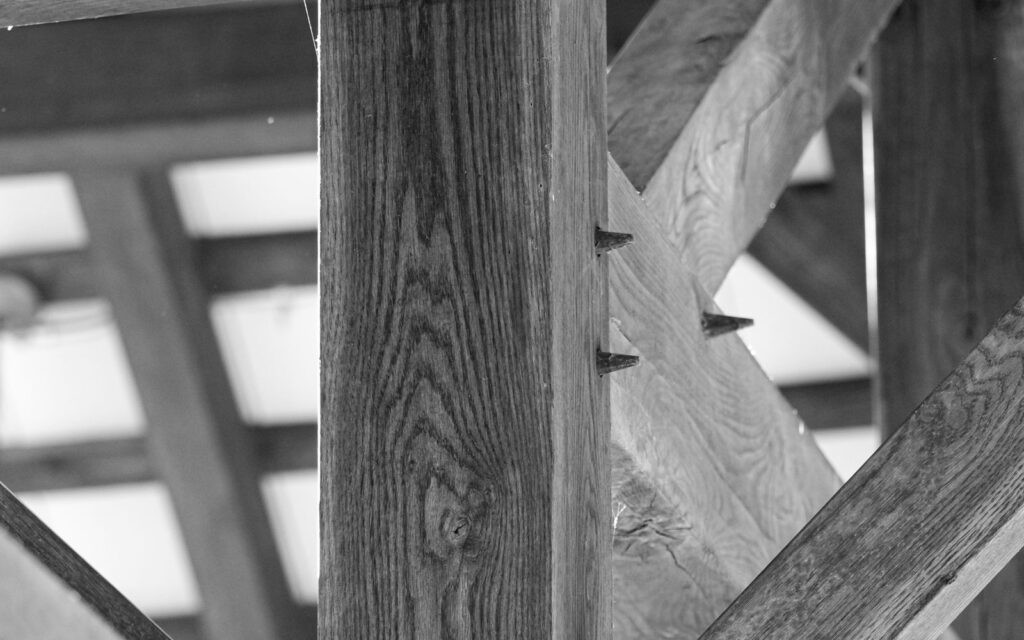
How the components connect affects both strength and appearance. Traditional timber framing uses joints such as mortise and tenon, where one beam slots into a pocket cut into another, often secured with pegs or structural screws. These joints are strong and look beautiful, with no visible metal brackets.
Simpler kits may use bolted connections or metal brackets. These can be perfectly sound but tend to have a more utilitarian look. Precision-cut joints, often made by CNC machines, make assembly easier because pieces fit together accurately with minimal adjustment.
Check What Is and Is Not Included

This is where many buyers get caught out. The headline price of a kit may not include everything you need. Before you buy, check whether the kit includes:
- All structural frame components
- Roof boards, roof covering such as shingles, felt or metal, and guttering
- Fixings, structural screws and bolts
- Post base brackets and anchoring hardware
- Stain, oil or protective treatment
- Technical drawings and an assembly manual
- Delivery, and whether it is kerbside or to your garden
Add up the cost of anything not included so you can compare kits fairly.
Plan Your Foundations
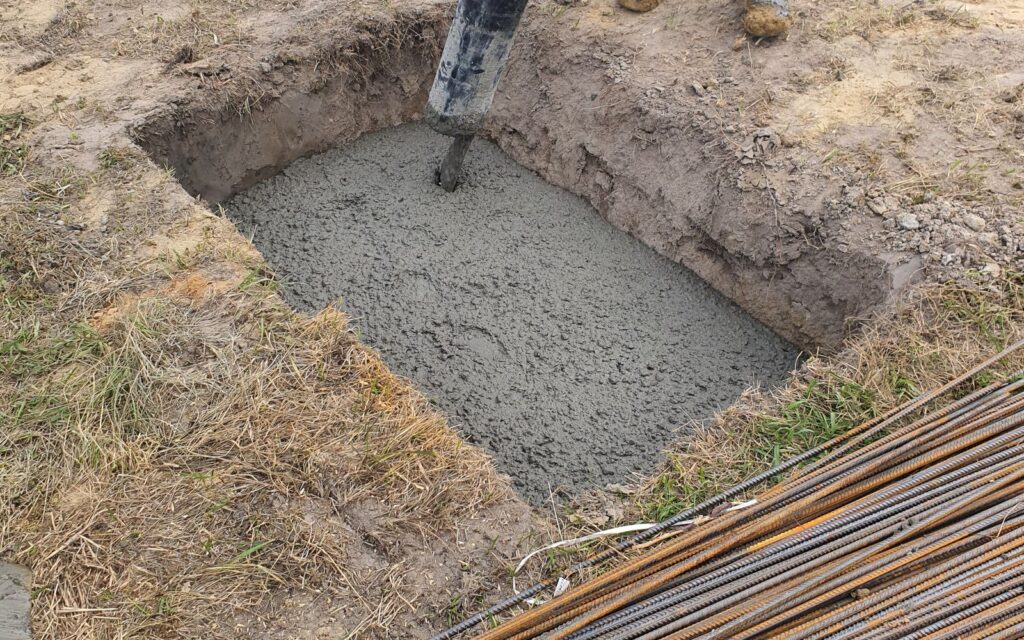
Every timber frame building needs a solid, level base. The right foundation depends on the size of the structure, your soil and the weight of the roof.
- Concrete pad footings under each post are common for pergolas and pavilions.
- Ground screws are quick to install, cause little disruption and suit many soil types.
- Concrete slabs are ideal for enclosed garden rooms.
- Existing patios or decks may work if they are structurally sound and level.
Follow the manufacturer’s foundation guidance closely, as an uneven or weak base can twist the frame and void any warranty.
Understand UK Planning Rules
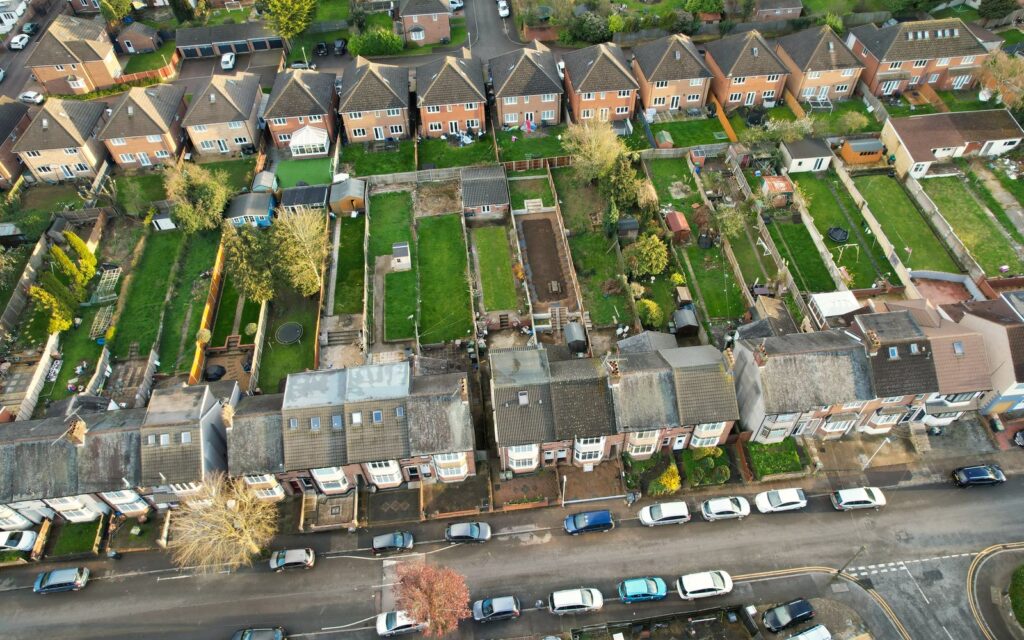
Many garden buildings in England can be built under permitted development rights, which means you do not need to apply for planning permission. However, there are limits. As a general guide, outbuildings should not be placed forward of the front of the house, and their height is restricted, particularly if they are within 2 metres of a boundary. The total area covered by outbuildings should not exceed half the land around the house.
Different rules apply to listed buildings, conservation areas, National Parks and Areas of Outstanding Natural Beauty. Rules also vary in Scotland, Wales and Northern Ireland. Always check the Planning Portal or contact your local planning authority before buying, as the size of the kit you choose may depend on what is allowed.
Building regulations approval is not usually required for small detached garden buildings that do not contain sleeping accommodation, but larger structures or those close to boundaries may need it.
Think About Weather and Maintenance
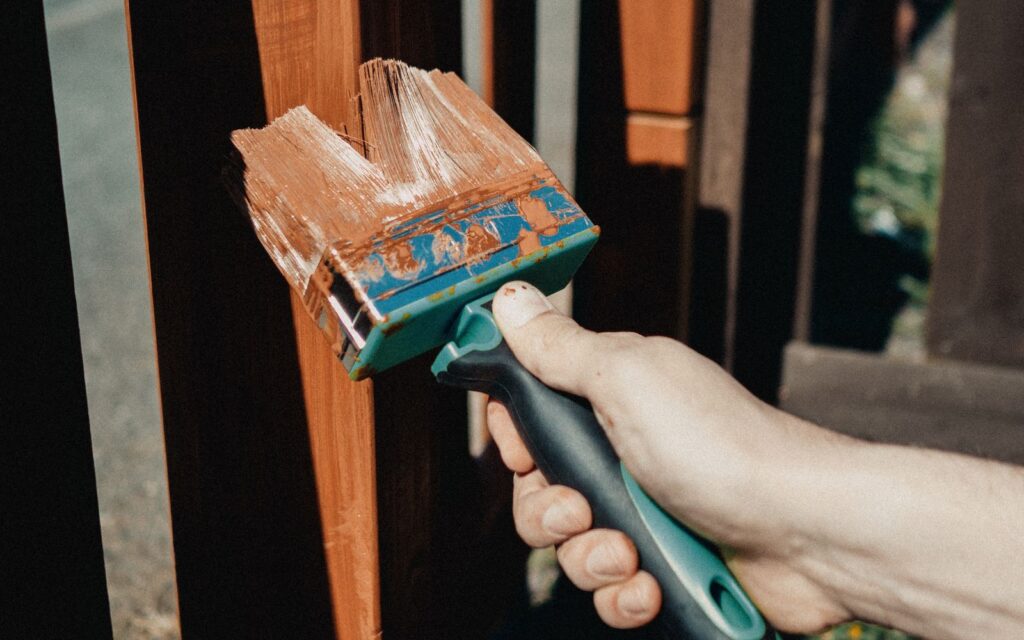
British weather is tough on outdoor timber. Ask how the kit is protected. Penetrating oil-based stains soak into the wood and protect it from moisture and UV light without peeling or flaking. Film-forming paints and varnishes can look good initially but often need sanding and recoating.
Check how often the finish needs renewing. Many quality finishes need only a light recoat every few years. Ask about the roof’s ability to cope with heavy rain, wind and occasional snow.
Consider Assembly and Installation
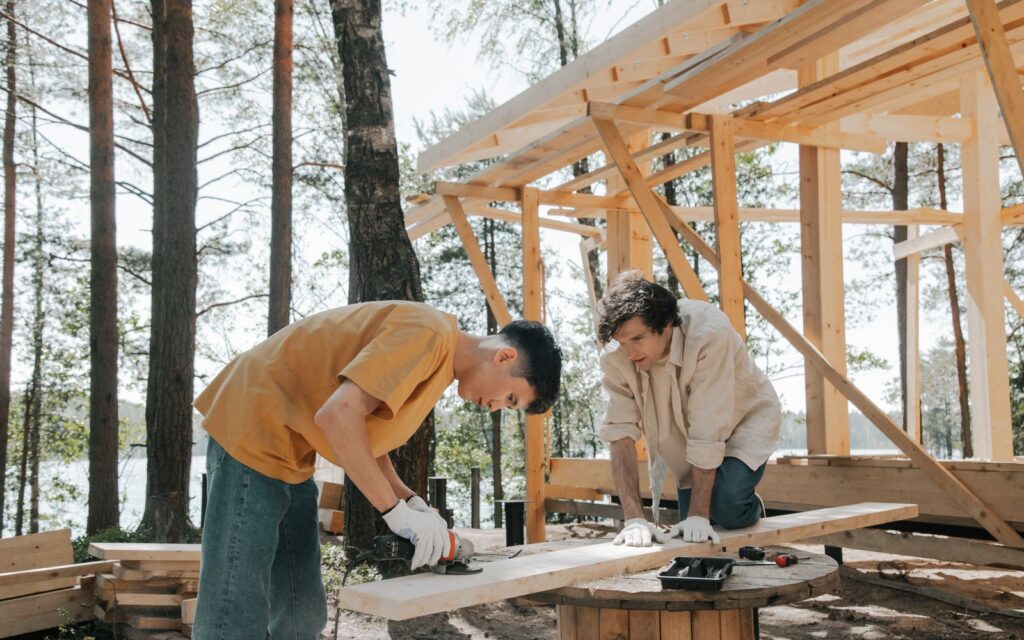
Be realistic about your DIY skills. Large timber beams are heavy, and lifting them into place usually needs at least two or three people. Read the sample assembly manual before buying if one is available. Ask whether the supplier offers professional installation or can recommend local installers if you would rather not build it yourself.
Compare Warranties and Support
A good warranty is a sign of confidence in the product. Look for a structural warranty of several years, and read what it does and does not cover. Find out whether you can speak to someone for help during assembly and whether spare parts are available.
Questions to Ask Before Buying
- What timber species and grade is used, and where is it sourced?
- How are the joints made and connected?
- What is included, and what will I need to buy separately?
- What foundations do you recommend for my soil?
- Will the size I want fall within permitted development?
- How is the timber protected, and how often does it need maintenance?
- How long does assembly take, and do you offer installation?
- Do you deliver to my area, and what are the delivery arrangements?
- What warranty is offered?
Final Thoughts
A timber frame kit can be a beautiful, cost effective way to add a garden building that lasts for decades. By understanding the timber, the joinery, what is included, the foundations and the planning rules, you can choose with confidence and avoid costly surprises. Take your time, ask questions and choose a kit that suits both your garden and the way you want to live in it.