
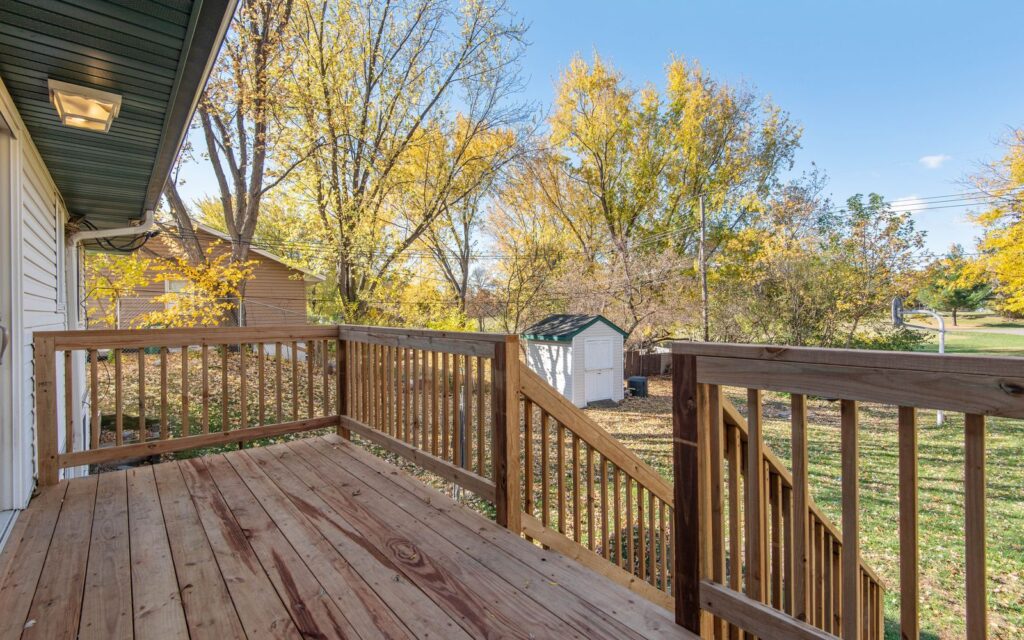
In Britain, we tend to think of the garden as a summer space. Once September arrives, the cushions go into the shed and the back door stays firmly shut until May. But with some thoughtful design, an outdoor living space can be used and enjoyed in every season, from crisp winter mornings with a hot drink to long summer evenings with friends.
Here is how to create an outdoor living space you can enjoy all year round.
Choose the Right Location
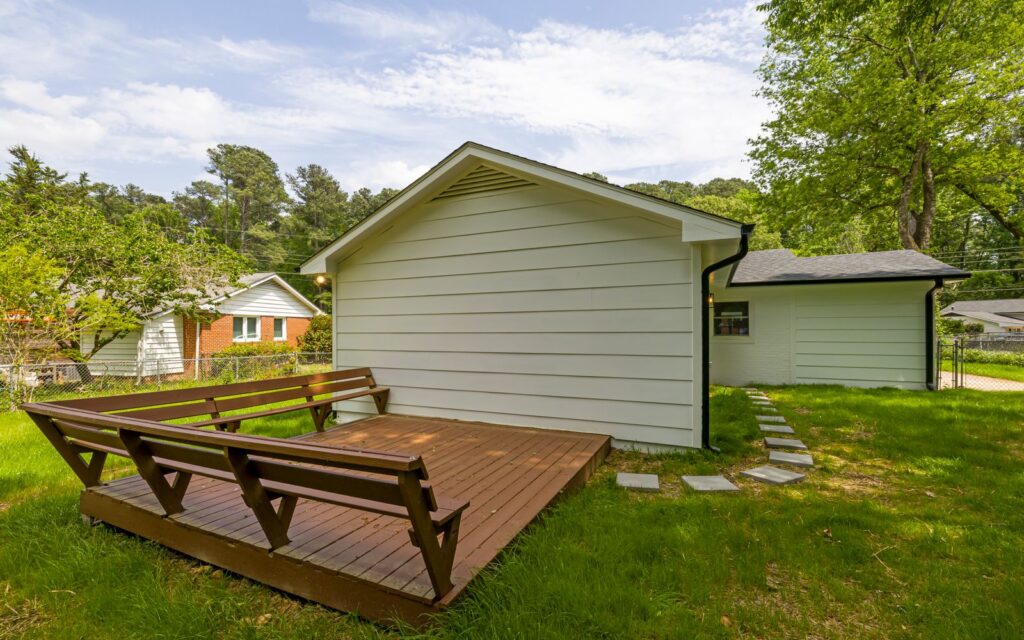
The position of your outdoor living space has a big influence on how often you will use it. Consider:
- Sunlight. In winter the sun sits low in the sky, so a south or south west facing spot captures the most warmth and light.
- Shelter. Prevailing winds in the UK usually come from the south west. A wall, hedge or building on the windward side makes a huge difference to comfort.
- Proximity to the house. In colder months, a space close to the kitchen is far more likely to be used than one at the bottom of the garden.
- Drainage. Avoid low spots that become soggy in winter.
Add a Roof Overhead
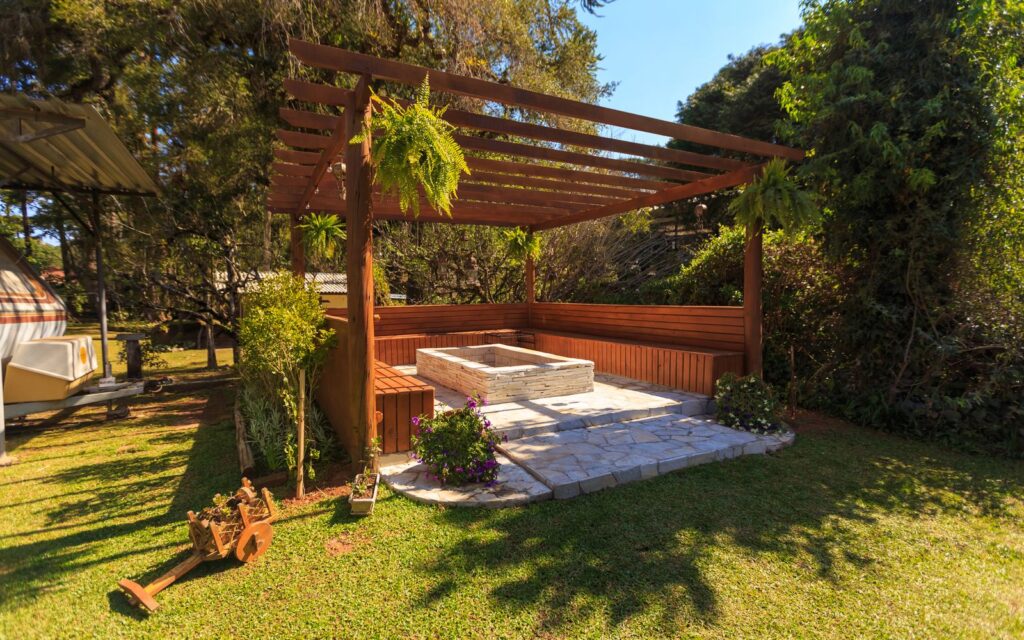
A roof is the single most important feature for year round outdoor living in the UK. It keeps rain off furniture and people, and lets you sit out during showers that would otherwise send you indoors.
Options include:
- Pergolas with a solid or polycarbonate roof, which keep off rain while letting light through
- Louvred pergolas, with adjustable slats that open for sun and close for rain
- Timber pavilions and gazebos, which create a true outdoor room with a solid roof
- Retractable awnings fixed to the house wall, ideal for patios
- Veranda canopies, which extend the house roofline into the garden
Before building, check permitted development rules. Most garden structures do not need planning permission if they meet height and size limits, but listed buildings, conservation areas and structures close to boundaries may have restrictions.
Create Walls for Shelter
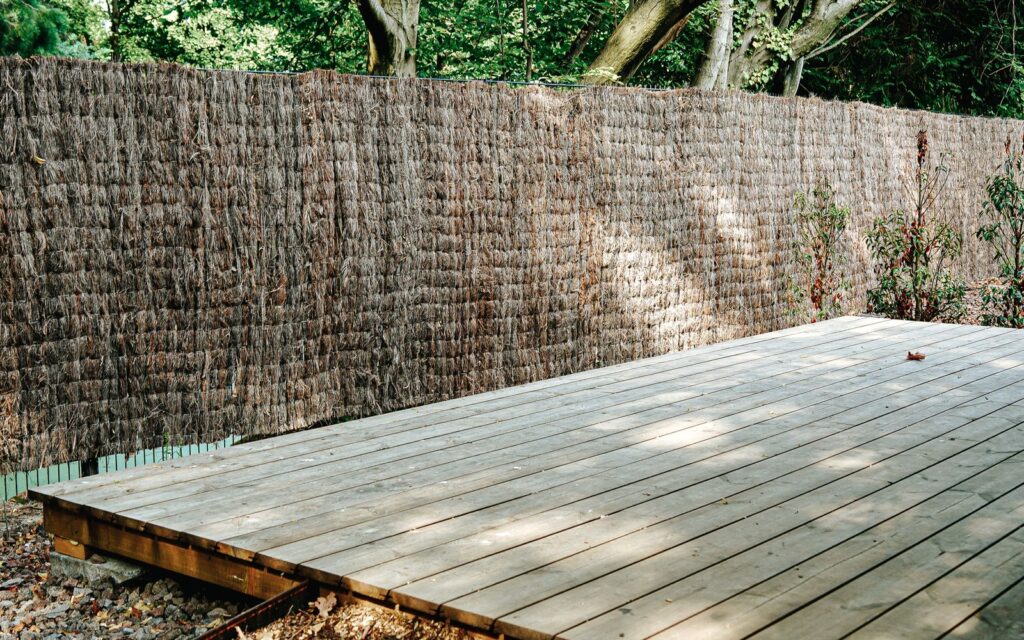
Once you have a roof, partial walls make the space far more comfortable in wind and cold. Slatted timber screens, privacy panels, outdoor curtains, glass panels or dense planting on one or two sides block draughts while keeping an open, airy feel. Roll-down clear screens are a useful option for pergolas, letting you enclose the space on cold or wet days.
Bring the Heat

Warmth is what makes outdoor living possible in autumn and winter. There are many ways to add it:
- Fire pits and fire bowls create a cosy focal point and a sociable atmosphere.
- Chimineas and wood-burning stoves direct smoke upwards and radiate steady heat.
- Outdoor fireplaces built from brick or stone make a permanent statement.
- Electric infrared heaters mounted under a roof provide instant, targeted warmth.
- Gas patio heaters are portable but less efficient in windy spots.
Pair heat sources with blankets, sheepskins and thick cushions for a truly snug space.
Light It for Short Days

In midwinter it can be dark by four in the afternoon, so lighting is essential. Layer lighting for both practicality and atmosphere:
- Overhead festoon lights or pendant lights under a roof
- Wall lights by doors and along walls
- Step and path lights for safe access
- Uplighters on trees and planting to create a beautiful view from the house
- Lanterns and candles for a soft, warm glow
Choose warm white bulbs, around 2700K, to create a cosy feel. Mains powered lighting installed by a qualified electrician is more reliable in winter than solar options.
Choose Weather-Resistant Furniture
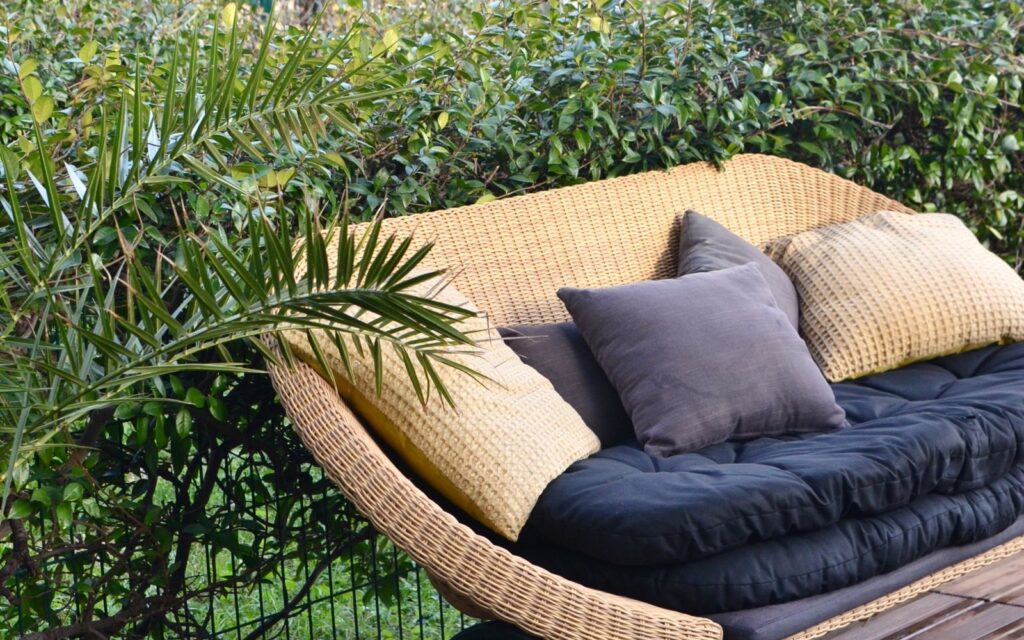
Furniture that can stay outside all year saves you from constant packing away. Look for:
- Powder-coated aluminium, which does not rust
- Teak and other hardwoods, which weather to a silvery grey
- Synthetic rattan with an aluminium frame
- Quick-drying foam cushions with water-resistant covers
A storage box or bench nearby keeps cushions dry when they are not in use. Furniture covers are worth investing in for the wettest months.
Plant for Every Season

An outdoor living space feels much more inviting when it is surrounded by plants that look good all year. Include:
- Evergreen structure such as Pittosporum, yew, box alternatives and conifers
- Winter flowers and scent from Sarcococca, Daphne, Hamamelis and Viburnum bodnantense
- Colourful stems from dogwood and willow
- Ornamental grasses that hold their shape through frost
- Spring bulbs such as snowdrops, crocus and narcissi in pots near seating
Plant winter scented shrubs close to the seating area or by the path to the door so you can enjoy their fragrance on cold days.
Build In an Outdoor Kitchen
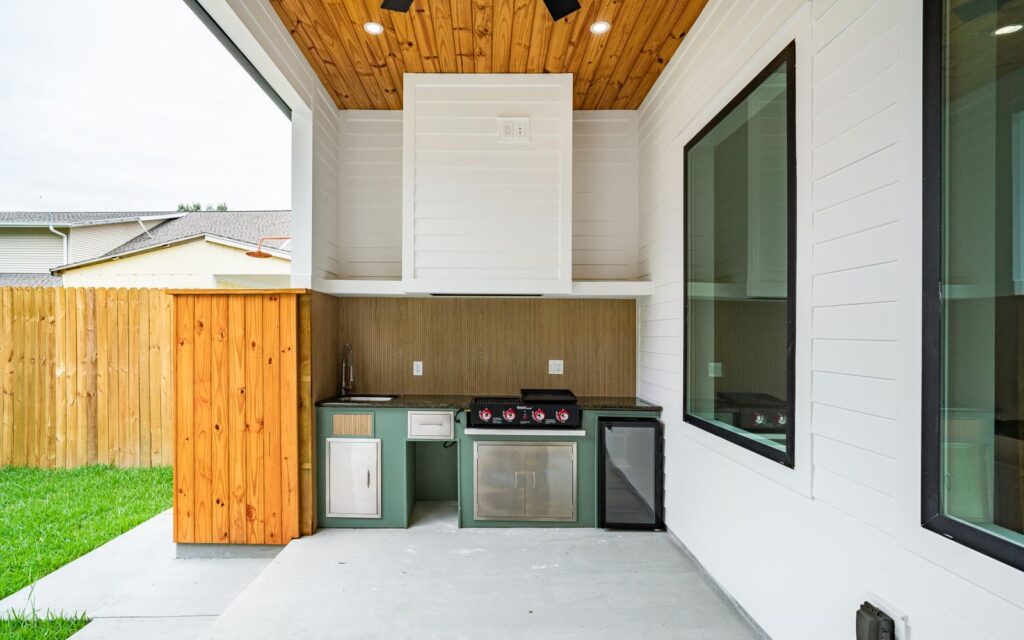
Cooking outside is a wonderful way to use the garden in every season. An outdoor kitchen can be as simple as a barbecue with a prep table or as elaborate as a built-in grill, pizza oven, sink and fridge. Under a roof, you can cook all year whatever the weather. A pizza oven or kamado grill doubles as a source of warmth on cold evenings.
Make the Transition Seamless
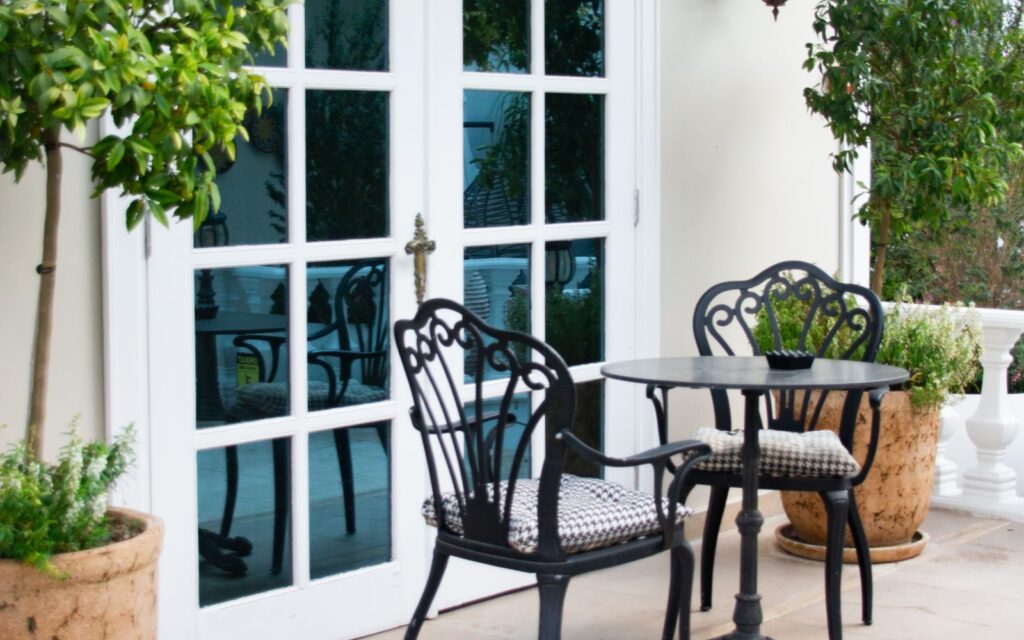
The easier it is to step outside, the more often you will. Large bifold or sliding doors, a level threshold and matching flooring inside and out blur the line between home and garden. Keep a basket of blankets and a pair of outdoor shoes by the door so you can pop out at a moment’s notice.
Plan for Maintenance

Year round use means year round care. Sweep leaves regularly in autumn, clean paving to prevent slippery algae and treat timber structures as recommended by the manufacturer. Check that gutters on roofs and canopies are clear so rainwater drains away properly.
Final Thoughts
An outdoor living space you can enjoy all year is about comfort as much as style. With shelter overhead, protection from the wind, a source of warmth, good lighting and planting that looks good in every season, your garden can become a true extension of your home. You may find that some of your favourite moments outdoors happen not in July, but on a frosty December evening by the fire.