
Not everyone has hours every weekend to mow, weed, prune and water. Busy working lives, young families and getting older all change how much time we can give the garden. Yet a low maintenance garden does not have to mean a bare patio and a few pots. With the right design choices, you can create a space that looks lush and beautiful all year while asking very little of you in return.
Here is how to design a low maintenance garden that still feels full of life.
Be Honest About How Much Time You Have
Start by deciding how many hours a month you realistically want to spend in the garden doing chores rather than relaxing. An hour a fortnight requires a very different design from a few hours every weekend. Knowing this from the outset will guide every decision, from the size of your lawn to the types of plants you choose.
List the jobs you dislike most. For many people it is mowing, edging and weeding. Design those jobs out, and the garden instantly becomes easier to enjoy.
Rethink the Lawn
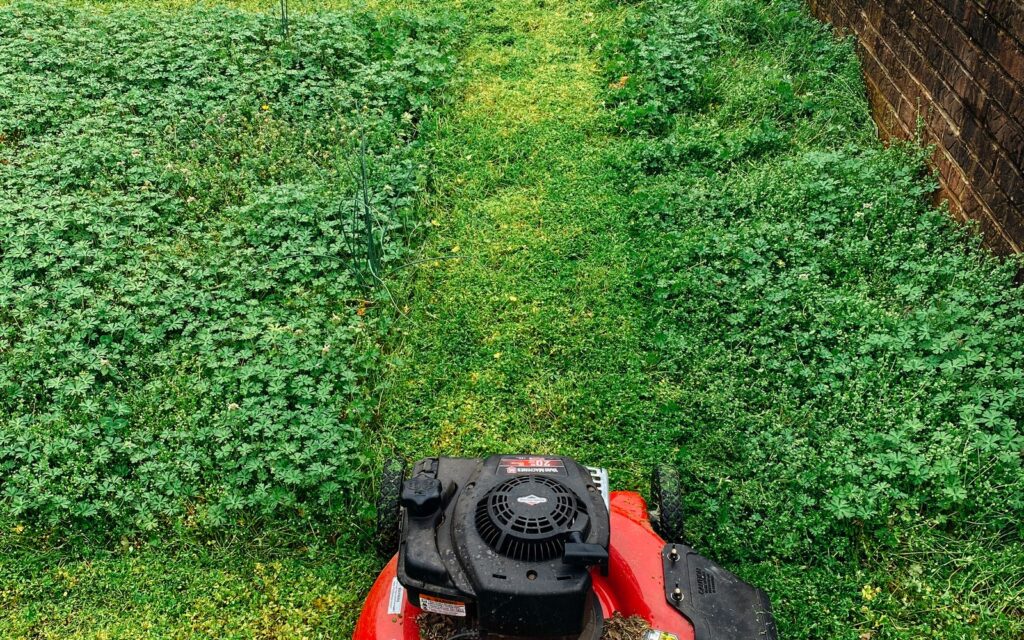
A traditional lawn is one of the most time consuming features in any garden. It needs mowing weekly through the growing season, along with feeding, edging, scarifying and watering in dry spells. You have several options:
- Reduce it. A smaller lawn with a crisp shape is quicker to mow and looks more deliberate.
- Add a mowing strip. A row of bricks or setts laid flush with the grass means you can mow straight over the edge and never need to trim with shears.
- Let it grow. Turning part of the lawn into a meadow area that you cut once or twice a year reduces work and supports pollinators.
- Replace it. Gravel gardens, paving or planted areas can take the place of grass entirely.
Artificial grass is popular, but it is worth weighing up. It removes mowing, but it can get very hot in summer, offers nothing for wildlife and still needs regular brushing and cleaning.
Choose Hard Landscaping Wisely
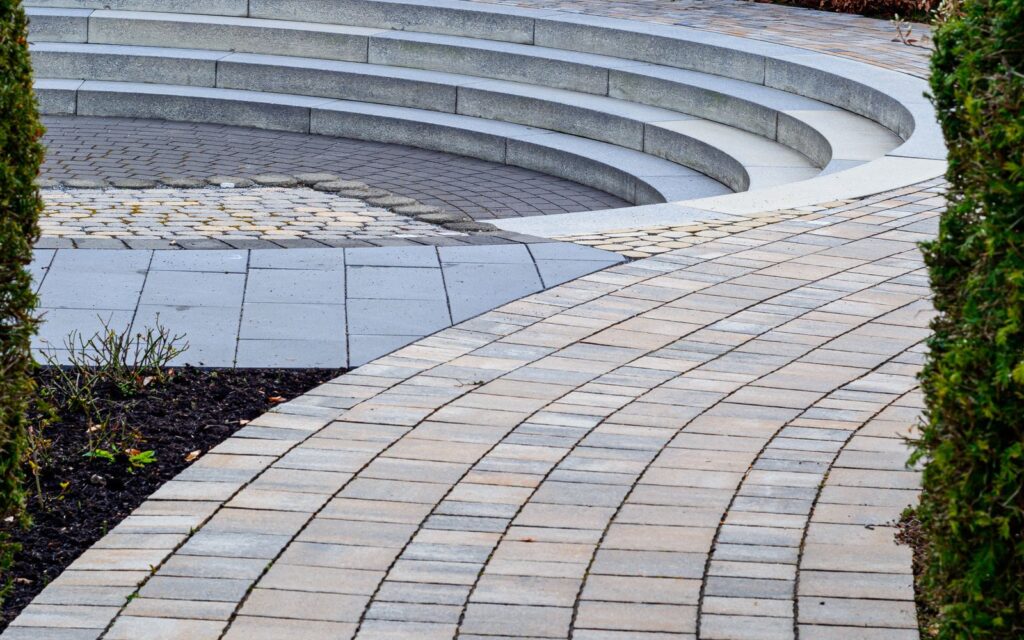
Good hard landscaping does much of the heavy lifting in a low maintenance garden. Patios, paths and decking provide year round structure and need only an occasional sweep or wash.
Porcelain paving is one of the lowest maintenance surfaces available. It resists staining, moss and algae far better than natural stone or concrete. Composite decking avoids the yearly oiling and staining that timber requires. Gravel laid over a good quality weed membrane is affordable, drains well and needs only occasional raking.
Plant Densely to Beat Weeds
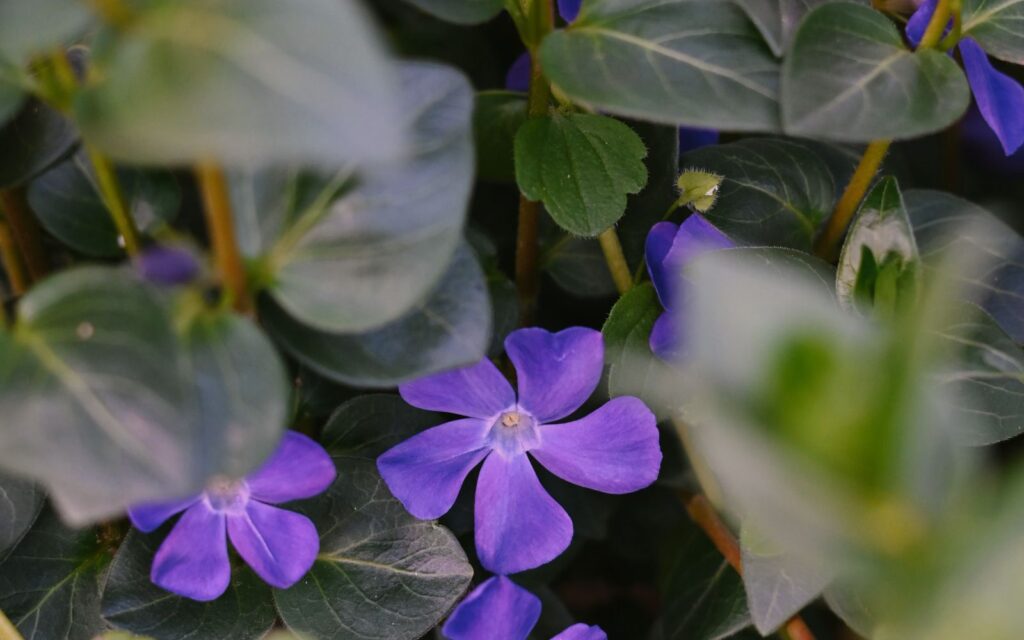
Bare soil is an open invitation to weeds. The best way to prevent them is to cover the ground with plants. When borders are planted closely, the foliage shades the soil and leaves little room for weed seedlings to establish.
Ground cover plants are your best friend here. Reliable choices for UK gardens include:
- Hardy geraniums such as ‘Rozanne’, which flowers from June to the first frosts
- Bergenia, with large evergreen leaves and spring flowers
- Epimedium, ideal for dry shade under trees
- Alchemilla mollis, with soft lime green flowers
- Vinca minor, an evergreen carpet for awkward banks
Pick Plants That Look After Themselves
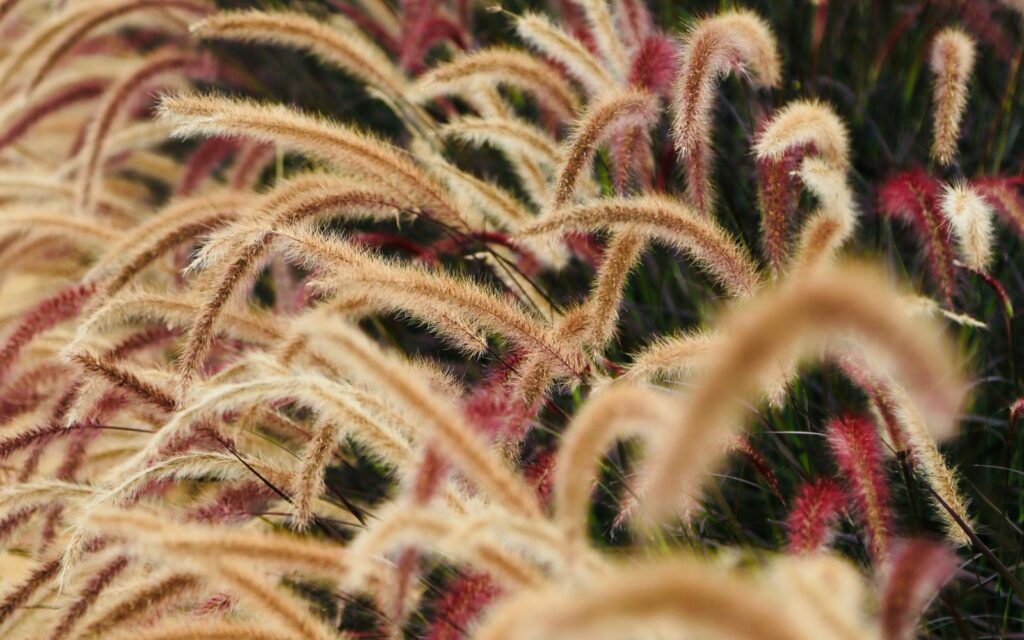
Some plants need staking, deadheading, dividing and spraying. Others simply get on with it. Choose the second kind.
Evergreen shrubs for structure
Evergreens keep the garden looking good through winter when perennials die back. Pittosporum, Ilex crenata, Sarcococca, Viburnum tinus and Euonymus are all tough, attractive and need only a light trim once a year.
Ornamental grasses for movement
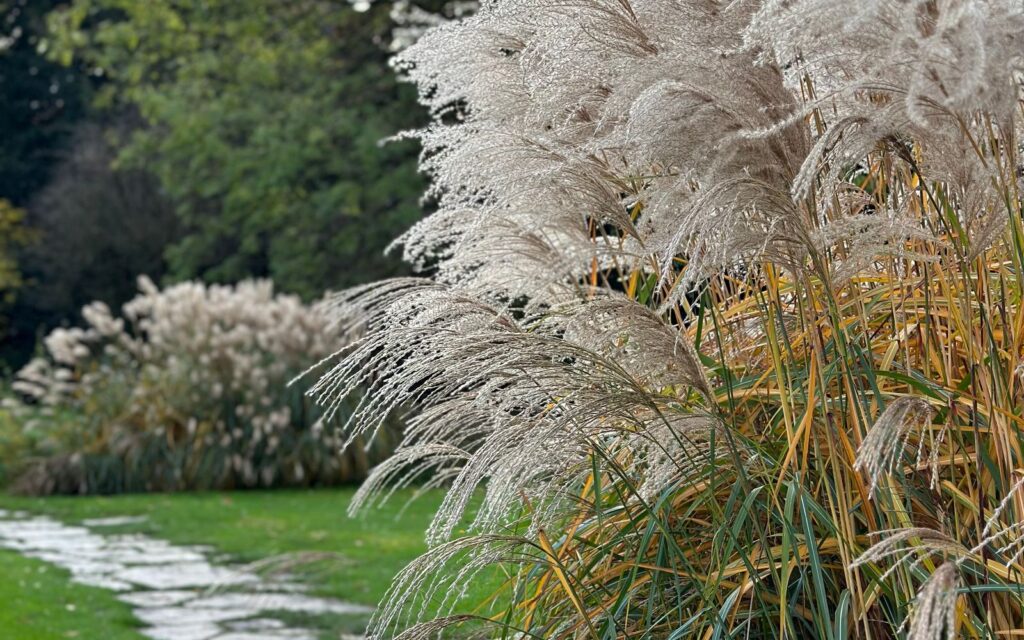
Grasses such as Stipa tenuissima, Calamagrostis ‘Karl Foerster’ and Hakonechloa macra look beautiful for months and need just a single cut back or comb through in late winter.
Long flowering perennials
Choose perennials that flower for months rather than weeks. Salvia ‘Caradonna’, Erigeron karvinskianus, Nepeta ‘Walker’s Low’ and Verbena bonariensis all give exceptional value for very little effort.
Right plant, right place
A plant in the wrong conditions will struggle and need constant attention. Lavender planted in heavy wet clay will sulk, while ferns in full sun will scorch. Match plants to your soil, light and moisture, and they will thrive on their own.
Mulch Every Year
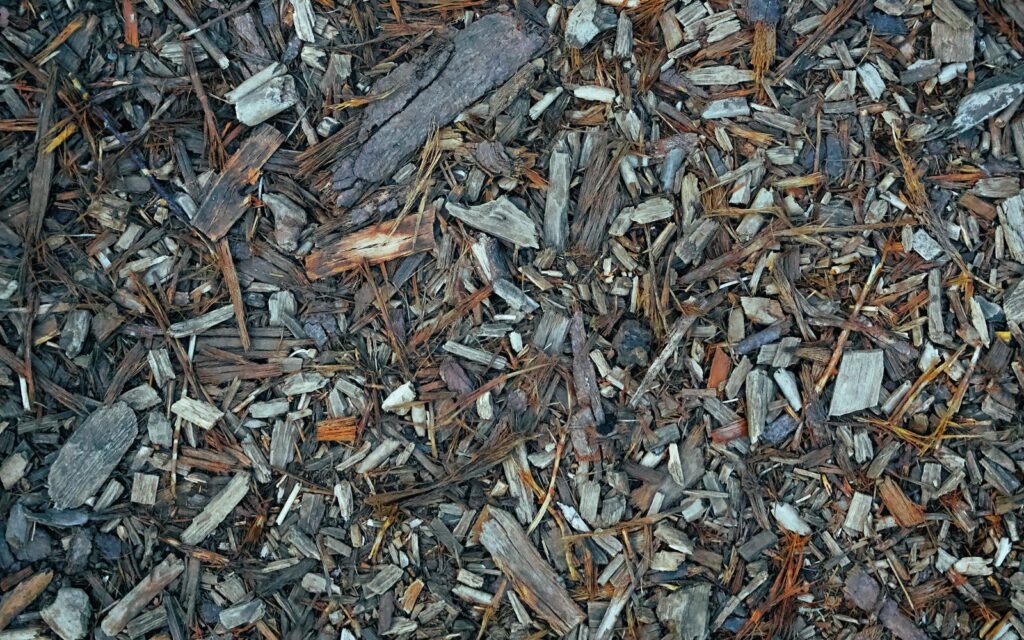
A thick layer of mulch, around 5 to 7cm deep, spread over borders in spring is one of the most effective low maintenance habits. It suppresses weeds, retains moisture, improves the soil and gives borders a neat, finished look. Use garden compost, composted bark, well rotted manure or, in a dry gravel garden, a layer of pea shingle.
Reduce Watering
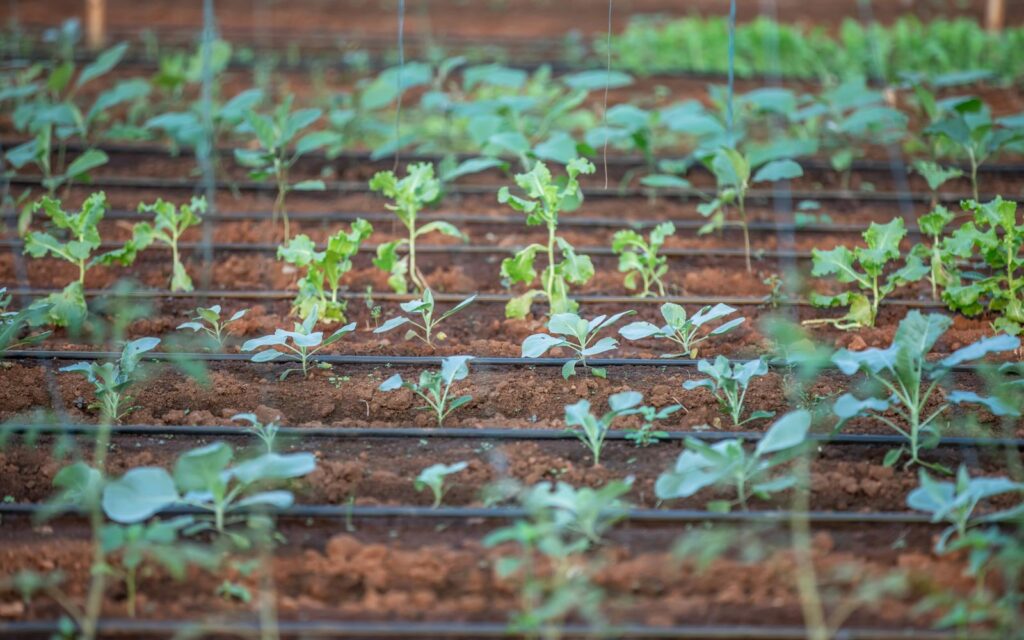
Watering is often the most time consuming summer job. Cut it down by:
- Choosing drought tolerant plants for sunny areas
- Planting in the ground rather than lots of small pots
- Using large containers, which dry out more slowly than small ones
- Installing a simple drip irrigation system on a timer
- Collecting rainwater in water butts
Keep Containers to a Few Large Statements
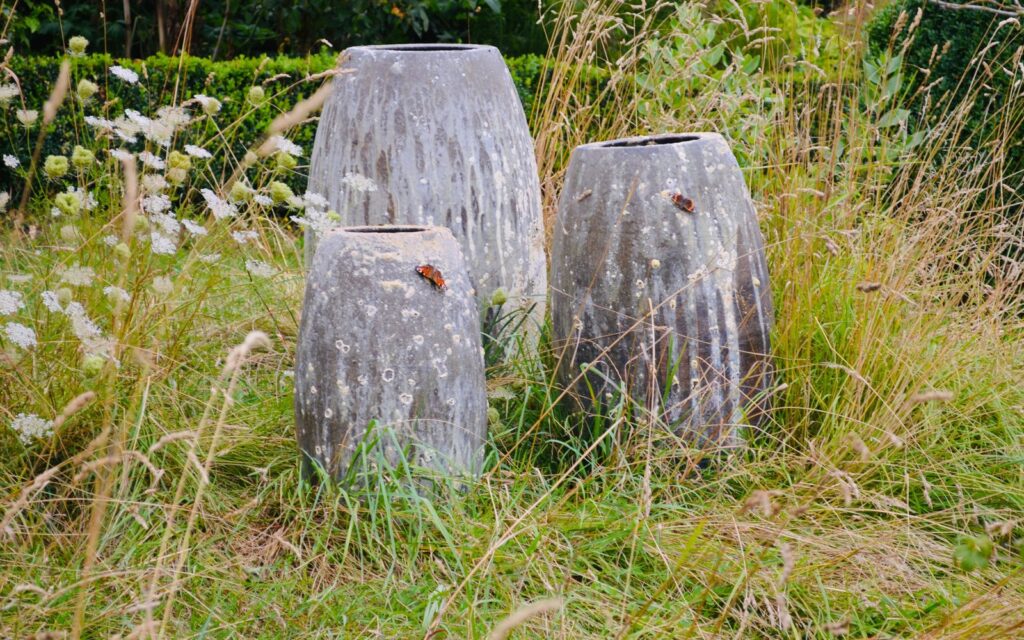
Pots are lovely but can be demanding, as they need watering almost daily in summer. Instead of a cluster of small pots, choose two or three large containers planted with permanent shrubs, grasses or small trees. They make a stronger visual impact and need far less care.
Build In Storage and Tidy Edges
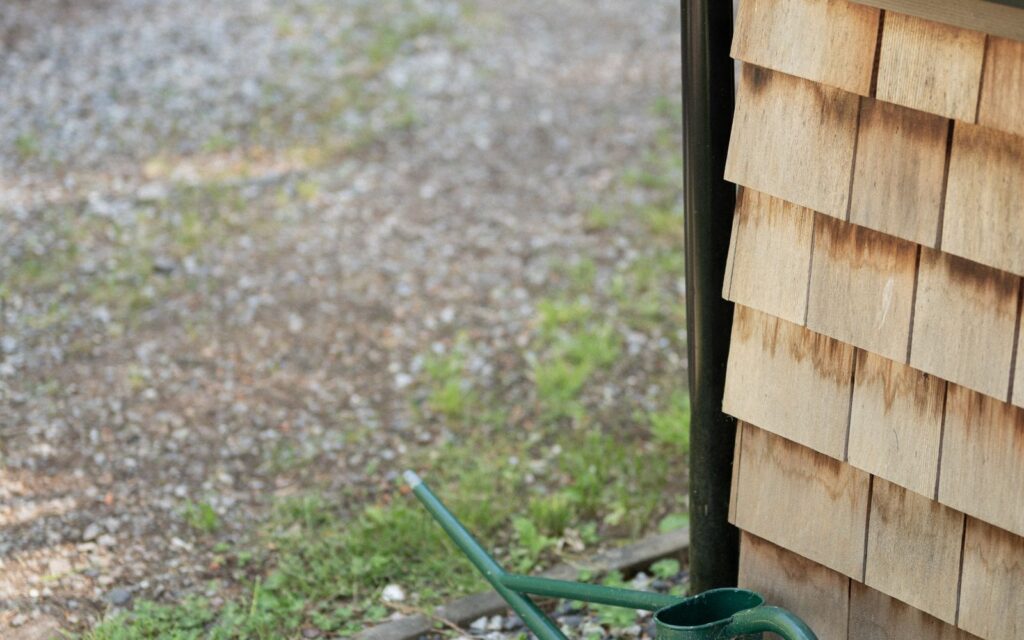
A garden looks low maintenance when it looks tidy. Crisp edges on borders and lawns, a place to tuck away hoses and tools, and a clear route through the garden all create a sense of order. Steel or timber edging keeps gravel out of borders and stops grass creeping into flower beds.
Add Features That Need No Care

Once planting and paving are in place, add features that bring character without adding chores. A sculpture, a well placed boulder, a bench at the end of a path or a garden building such as a summerhouse or pergola all provide year round interest with almost no upkeep.
A Simple Low Maintenance Routine
- Late winter: Cut back grasses and perennials, then mulch borders.
- Spring: Check irrigation and pull any early weeds.
- Summer: Water containers, deadhead roses if you have them and enjoy the garden.
- Autumn: Trim evergreens lightly and rake leaves off paving and lawns.
Final Thoughts
A low maintenance garden is really a well designed garden. By reducing the lawn, choosing tough, self sufficient plants, covering bare soil and investing in good hard landscaping, you can create a space that looks beautiful in every season. The result is a garden that works for you rather than the other way round, leaving more time to sit back and enjoy it.